Skip to content

How to Clean Mold: A Comprehensive Guide to Mold Cleaning Methods
Why You Need to Know How to Clean Mold
Mold: the uninvited guest that shows up quietly, then spreads with the enthusiasm of a bad rumor. One day it’s a small patch in the shower; the next, it’s colonizing your ceiling, towels, and maybe your patience. It’s not just unpleasant to look at; it’s persistent, occasionally toxic, and rarely leaves without a fight.
The challenge isn’t just getting rid of it. The real question is how to clean mold effectively without making things worse or inadvertently feeding it with the wrong cleaning method. Many people try quick fixes, only to watch the mold return as if it missed them.
This guide is your no-nonsense, practical roadmap for how to clean mold in every room, on every surface, and with the right tools, without wasting time on myths or overhyped products.
So if you’re ready to take back your walls, ceilings, fabrics, and sanity, stick around. You’re about to learn everything you need to win the mold war quietly, confidently, and for good.
1. Does Lysol Kill Mold?
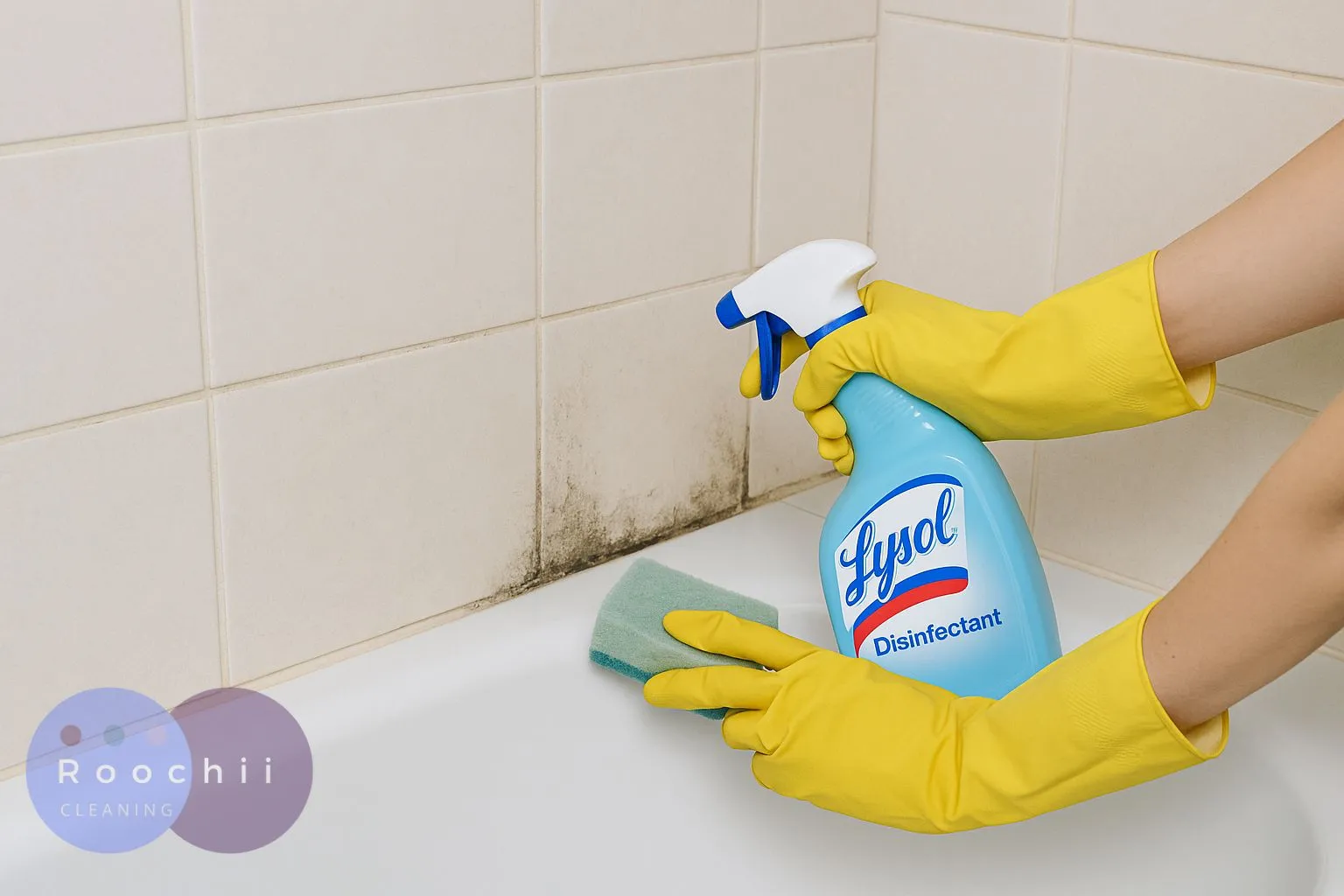
Lysol is a household name, trusted for decades to disinfect countertops, doorknobs, and just about anything touched by toddler hands or flu season. But when it comes to mold, things get a little more complicated.
Technically, Lysol can kill mold spores on non-porous surfaces. Many of its sprays contain active ingredients like hydrogen peroxide or ammonium compounds, which are known to eliminate bacteria and fungi under controlled conditions, as stated by the U.S. Centers for Disease Control and Prevention’s (CDC) Infection Control Manual. So if you’re dealing with a light layer of mold on tiles, glass, or finished metal, a good scrub with Lysol can help sanitize the area and reduce the chance of regrowth.
But here’s the catch: mold isn’t just a surface problem. Lysol can clean the surface, but it won’t reach mold that’s taken root below.
When Lysol Works
- On non-porous surfaces like shower walls, sinks, tiles, and bathtubs
- As a follow-up disinfectant after physically removing visible mold
- In maintenance routines to prevent future spore buildup in moisture-prone areas
When Lysol Falls Short
- On porous materials like drywall, upholstery, or untreated wood
- In large infestations, especially if the mold covers over 10 square feet
- Against hidden mold, where professional remediation may be required
2. Red Mold: What Is It and How to Get Rid of It
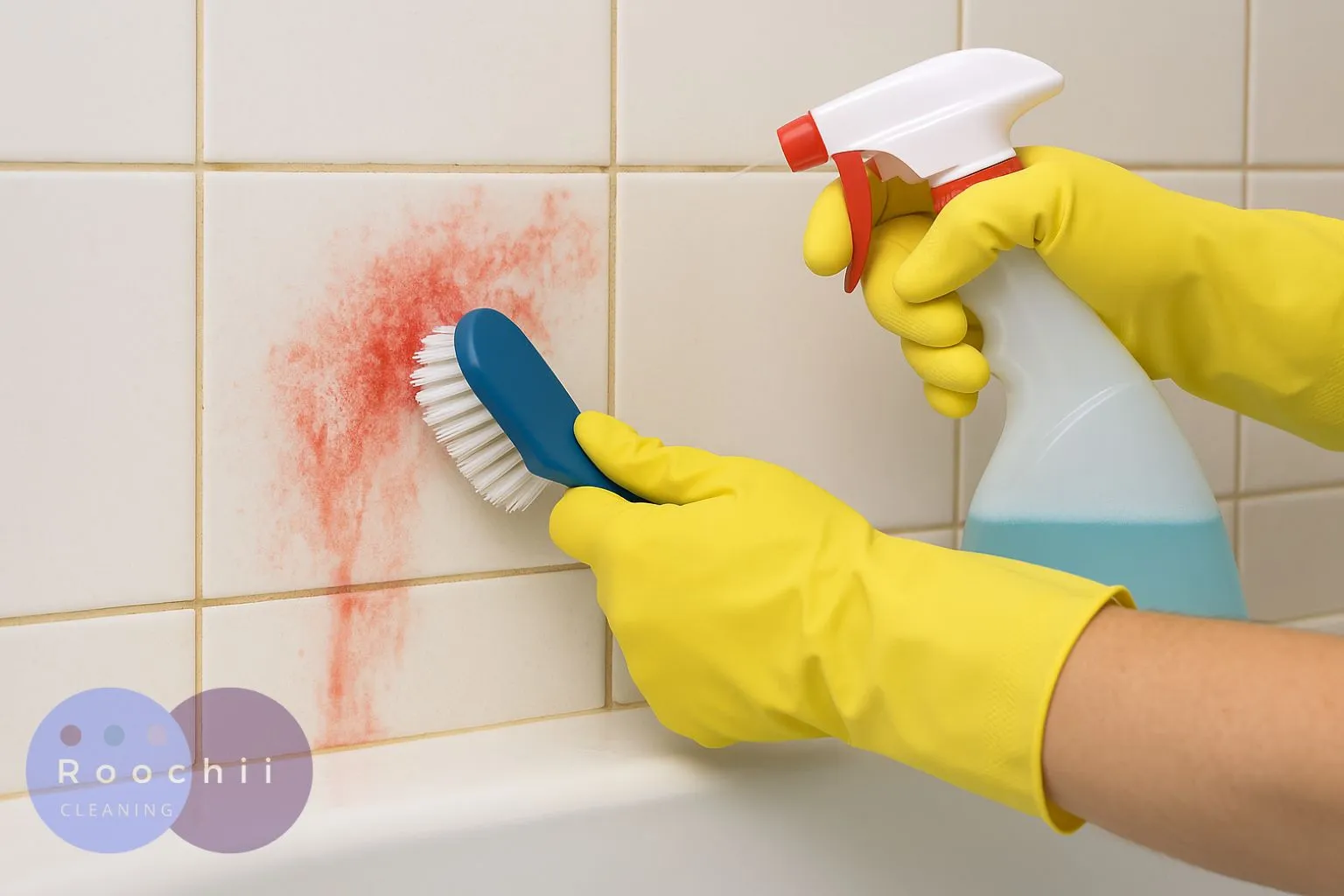
Technically, what most people call red mold is a strain of bacteria known as Serratia marcescens. While not a true mold, it behaves similarly in the way it grows and thrives in moisture-heavy environments. It’s particularly fond of areas where shampoo, soap, and residue build up.
While it is not the most dangerous organism in your home, it’s not exactly innocent either. In people with weakened immune systems, it has been linked to urinary tract infections, wound infections, and even respiratory issues.
How to Get Rid of Red Mold
Cleaning red mold is a bit more involved than wiping down a surface with a damp cloth. Here’s how to handle it effectively:
1. Gear Up
Use gloves and a mask, especially if you’re dealing with a large area or are sensitive to allergens.
2. Scrub the Area Thoroughly
Mix a solution of one part bleach to ten parts water, or use a mold-specific cleaning product. Scrub the surface using a stiff-bristled brush.
3. Rinse and Dry Completely
Mold and bacteria love moisture. Leaving the surface damp invites them right back in. Always dry thoroughly after cleaning.
4. Repeat as Needed
If it returns quickly, inspect for hidden moisture sources like leaky pipes, poor ventilation, or improperly sealed surfaces.
Prevention Tips
- Ventilation is your best friend. Open windows or use exhaust fans regularly.
- Clean soap scum and moisture-prone areas weekly.
- Keep shower curtains and liners clean and dry. Toss them in the laundry if they’re washable.
3. How to Remove Mold from Ceiling
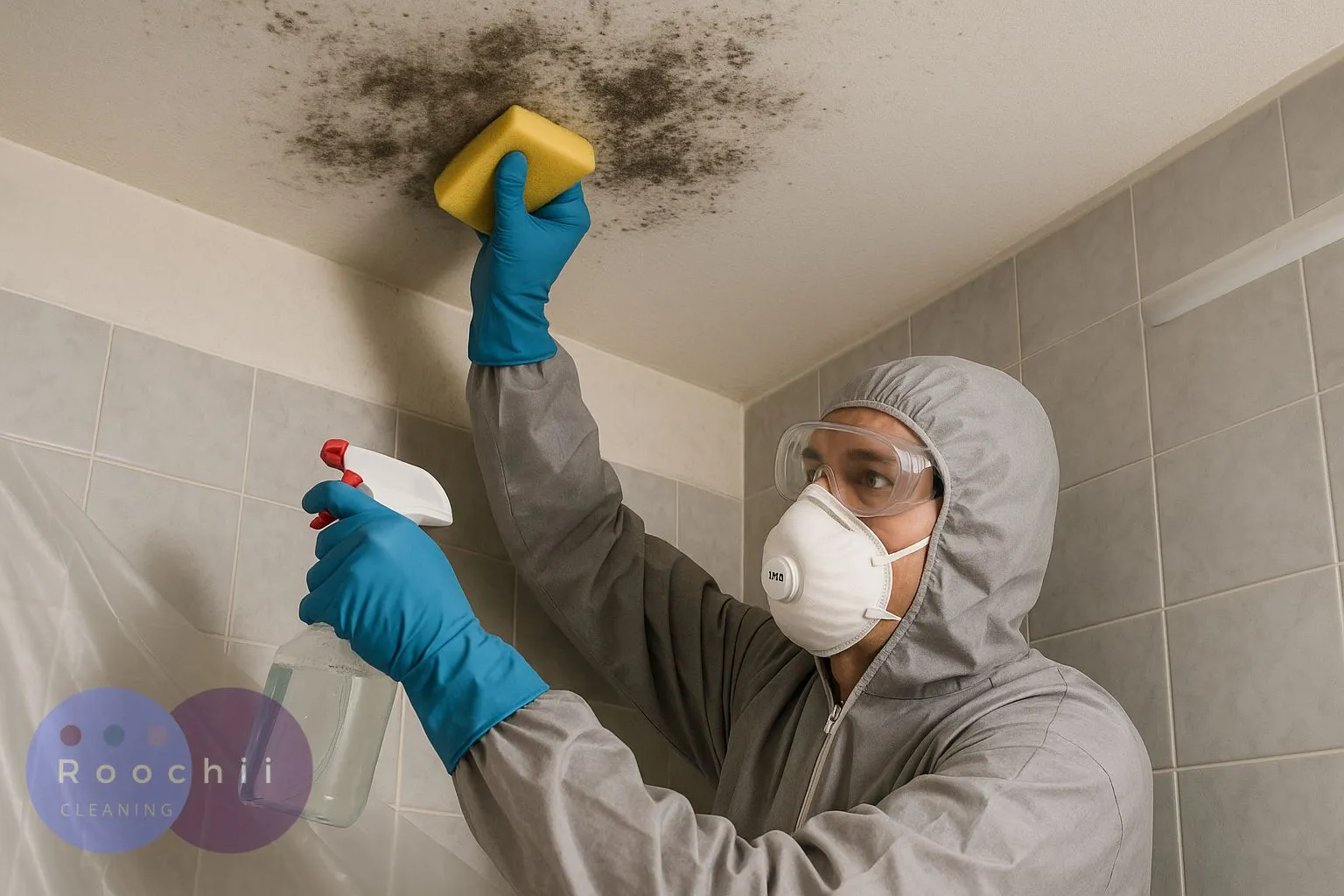
Ceiling mold is the ninja of household problems: silent, slow-moving, and usually unnoticed until it’s already made itself quite at home. It tends to appear in high-moisture areas like bathrooms, kitchens, and poorly ventilated attics, often right above your head where you’re least likely to inspect regularly.
If you’re staring up at mysterious dark spots, patches, or fuzzy blotches above your shower or bedroom, you’re not alone. Mold on ceilings is not just an aesthetic issue. Left untreated, it can spread, damage drywall or plaster, and contribute to respiratory problems.
What Causes Mold on Ceilings?
- Poor ventilation (especially in bathrooms)
- Leaky roofs or pipes
- Condensation buildup from poor insulation
- Long-term humidity, often over 60%
Step-by-Step: How to Remove Mold from Ceiling Safely
Step 1: Gear Up
Before you even grab a sponge, suit up. Use gloves, goggles, and an N95 mask. Mold spores become airborne easily when disturbed, especially from overhead surfaces.
Step 2: Protect the Area
Lay down plastic sheeting or drop cloths to catch falling debris and mold residue. Tape off nearby walls and vents. According to Occupational Safety and Health Administration’s (OSHA) mold safety guidelines, controlling airflow and properly containing the workspace is essential to avoid cross-contamination during mold removal.
Step 3: Choose Your Cleaning Agent
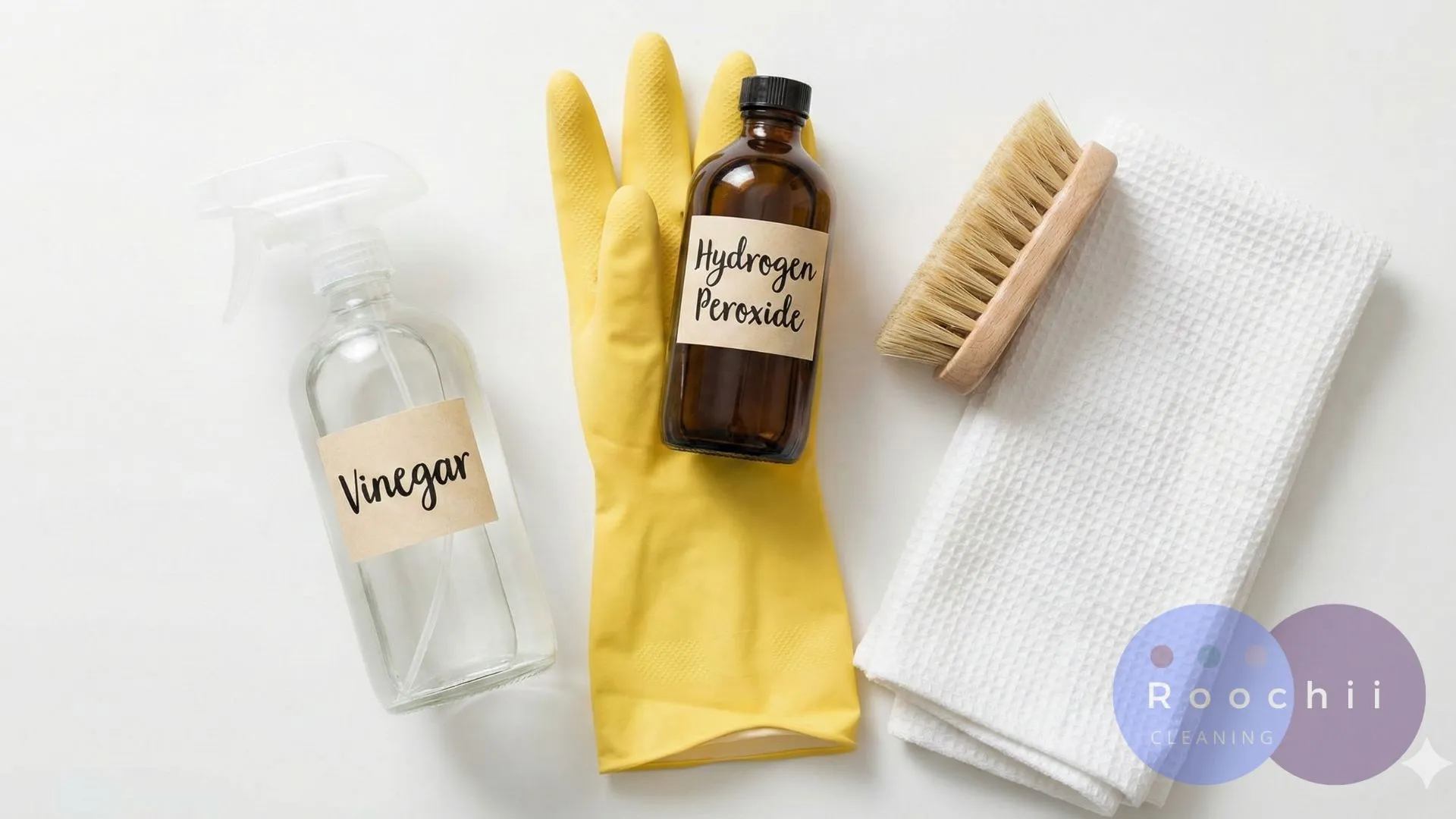
- For small patches: A solution of white vinegar or 3% hydrogen peroxide works well on painted ceilings.
- For larger infestations: Use a 1:10 bleach-to-water solution, or a commercial mold remover approved for ceilings.
Step 4: Apply and Wait
Spray the solution directly onto the moldy area. Let it sit for 15–30 minutes to fully penetrate the spores.
Step 5: Scrub Gently
Using a non-abrasive sponge or soft brush, gently scrub the mold from the surface. Avoid over-saturating the area, especially with drywall ceilings.
Step 6: Dry Thoroughly
Use a fan or dehumidifier to dry the ceiling completely. Mold thrives in moisture, so drying is just as important as cleaning.
Step 7: Paint Smart (Optional)
If discoloration remains or the ceiling looks uneven, repaint with a mold-resistant primer and ceiling paint to seal and protect the surface.
4. Will Apple Cider Vinegar Kill Mold?
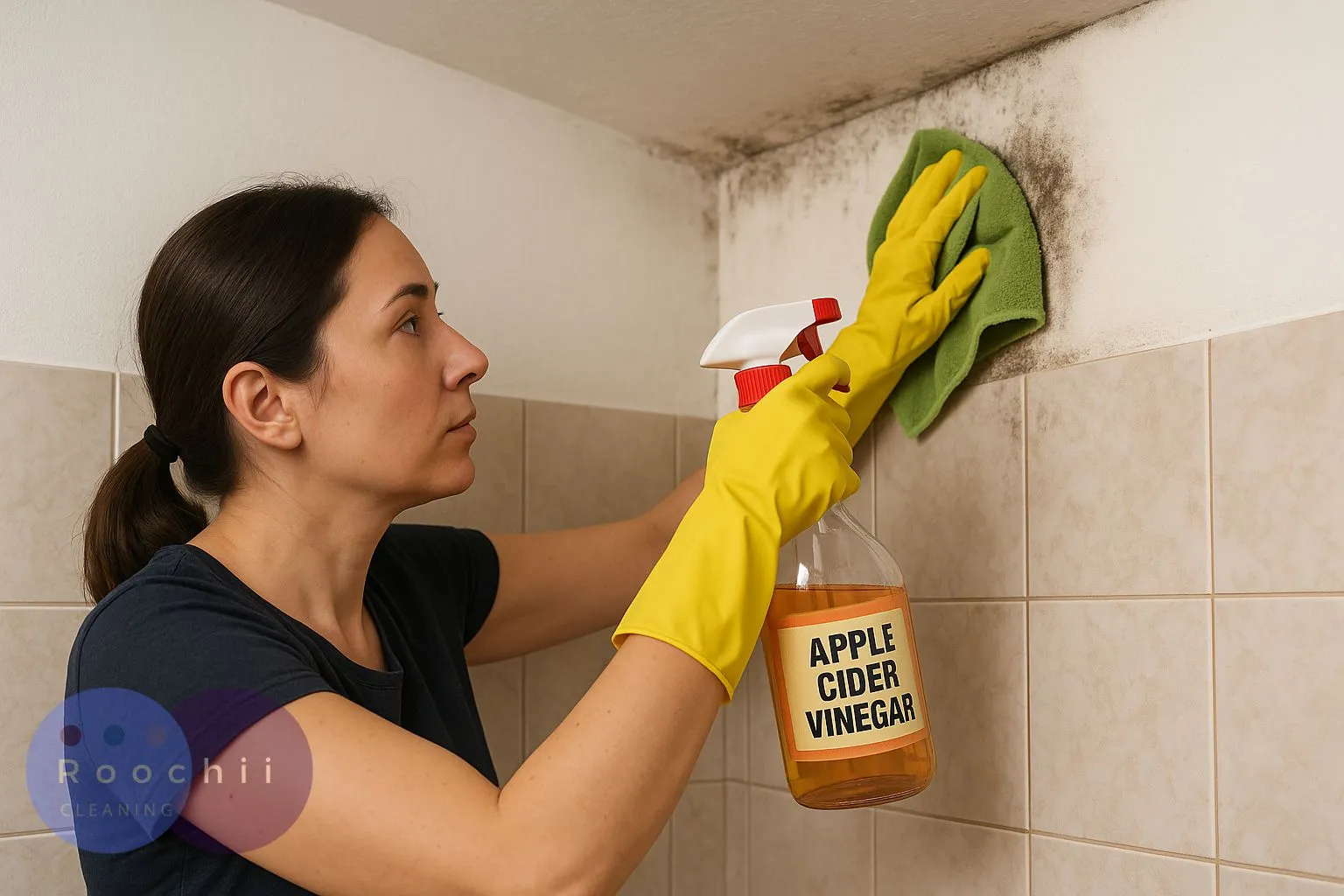
Apple cider vinegar: praised for curing sore throats, descaling kettles, and starring in far too many detox drinks. But can this kitchen staple hold its own in the war against mold? If you’re wondering whether apple cider vinegar can kill mold, the answer is yes, with a few caveats.
Does Apple Cider Vinegar Actually Work Against Mold?
Apple cider vinegar (ACV) has mild antifungal and antibacterial properties due to its acetic acid content. It can disrupt the growth of some mold strains on non-porous surfaces like glass, tile, or sealed countertops. It’s also non-toxic, making it a popular choice for those who prefer natural cleaning solutions or have sensitivities to harsher chemicals.
However, it’s worth noting: apple cider vinegar is not a mold slayer of epic proportions. It doesn’t penetrate porous surfaces, nor does it neutralize all mold spores completely.
How to Use Apple Cider Vinegar to Clean Mold
1. No Dilution Needed
Use full-strength ACV. Diluting it weakens its effectiveness against mold spores.
2. Spray Generously
Apply the vinegar directly to the moldy surface. Use a spray bottle to saturate the area without flooding it.
3. Let It Sit
Leave it for at least one hour. This gives the acetic acid time to break down mold cell structures.
4. Scrub & Wipe
Use a non-abrasive brush or cloth to scrub the area, then wipe clean with warm water.
5. Dry Thoroughly
Always dry the area completely to prevent mold from regrouping.
5. Does Hydrogen Peroxide Kill Mold?
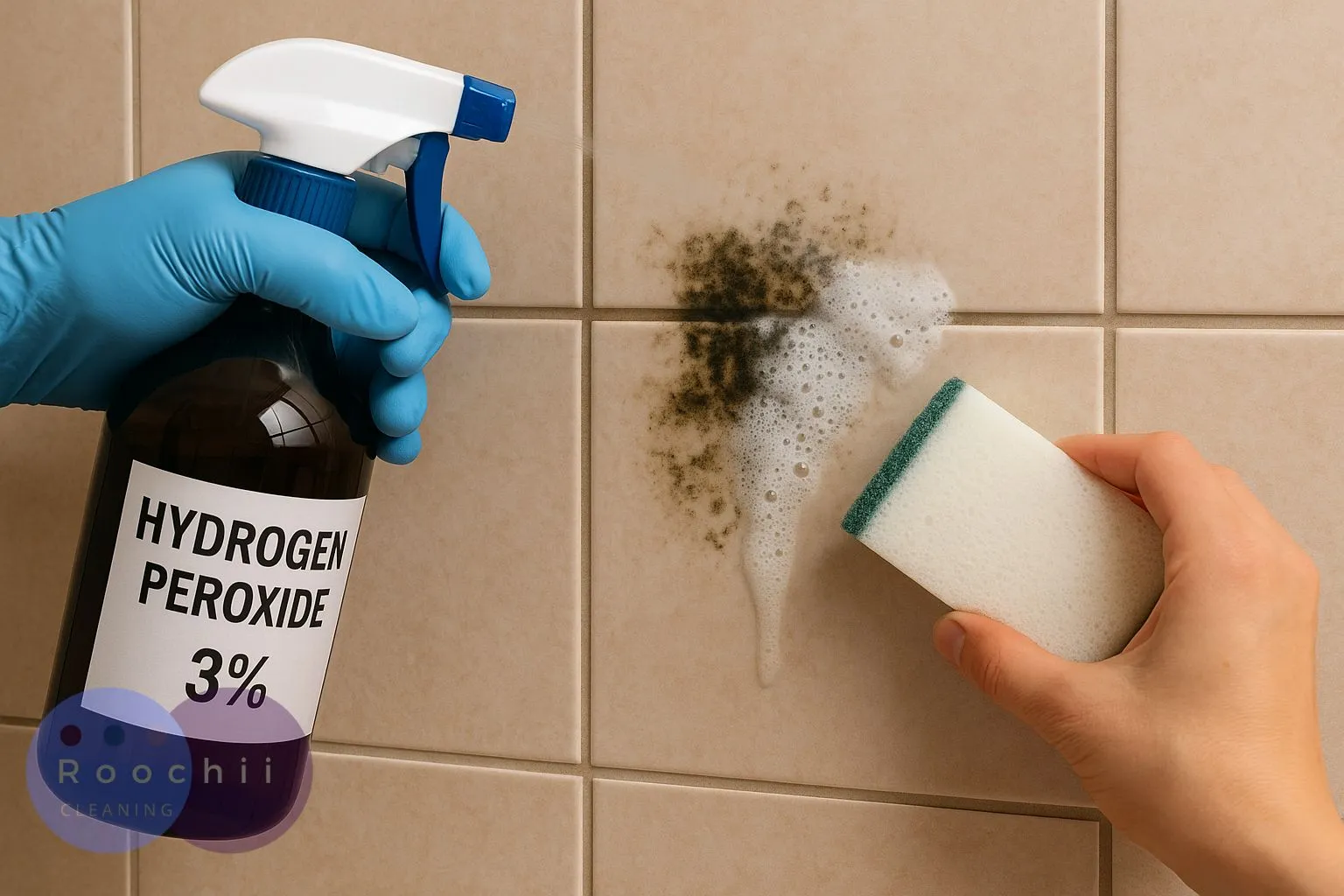
Hydrogen peroxide is a mild antiseptic and oxidizer, typically available in 3% solutions for household use. When applied to mold, it penetrates the cell walls and causes them to break down through oxidation. This not only kills mold on the surface but can also help bleach stains left behind, giving you a cleaner finish without the harshness of bleach.
And unlike bleach, hydrogen peroxide kills mold by breaking down into water and oxygen, leaving no toxic residue or harsh fumes. Mold hates it, and your lungs will love it.
Where Hydrogen Peroxide Works Best
Hydrogen peroxide is ideal for cleaning mold from:
- Bathroom grout and tiles
- Kitchen countertops and backsplashes
- Sealed wood or laminate
- Plastic surfaces and refrigerator seals
- Non-porous walls and windows
Safety and Tips
- Test hydrogen peroxide on a small area first, especially on dark surfaces—it can have a lightening effect.
- Never mix hydrogen peroxide with vinegar in the same container. Used separately, they’re effective. Combined, they can create peracetic acid, which is dangerous to breathe.
- Store your hydrogen peroxide in an opaque bottle. It breaks down quickly when exposed to light.
6. Vinegar or Bleach for Mold
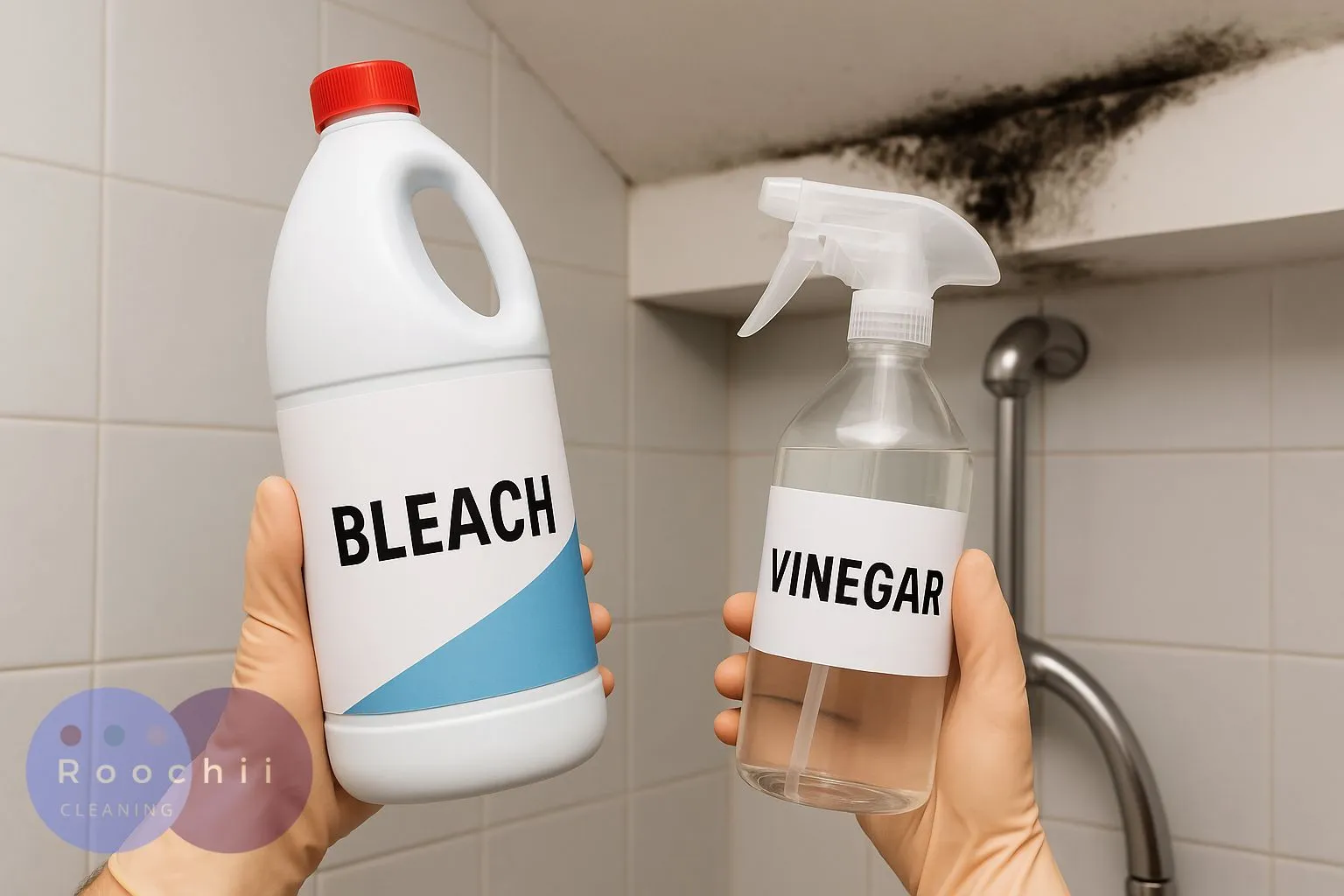
When it comes to mold, two household heavyweights always enter the ring: bleach and vinegar. They’re both strong contenders in their own right, but when you’re staring down a patch of black or pink fuzz in your shower, which bottle should you reach for?
Spoiler: despite bleach’s intimidating reputation, vinegar often wins the long game, and here’s why.
Bleach: The Quick Fix with Limits
Bleach is often the default choice for mold removal. It smells harsh, feels strong, and works fast. It does kill mold on hard, non-porous surfaces, and it disinfects while it’s at it.
But bleach has a few weaknesses:
- It doesn’t penetrate porous materials. So while it may kill mold on the surface, the roots can stay behind in drywall, wood, or fabric—and grow back.
- It’s corrosive. Frequent use can damage surfaces, especially grout and natural stone.
- The fumes are harsh. It can irritate your eyes, skin, and lungs. Not ideal in a tight bathroom without a fan.
Vinegar: The Mold-Killer with Staying Power
White distilled vinegar contains acetic acid, which disrupts mold growth by penetrating porous materials. Because of this, can penetrate porous surfaces more effectively than bleach, as proven by research from 2024. It’s:
- Non-toxic and safe for kids, pets, and sensitive individuals
- Highly effective on most household molds
- Great for porous surfaces, like untreated wood or drywall (in small patches)
The only downside? It smells like vinegar. But that fades quickly, and doesn’t come with health risks.
Can You Use Both?
Yes, but not together. Mixing bleach and vinegar releases chlorine gas, which is dangerous to inhale. If you want to use both, clean with one, rinse and dry the surface, then apply the second treatment.
7. How to Get Mold Out of Fabric
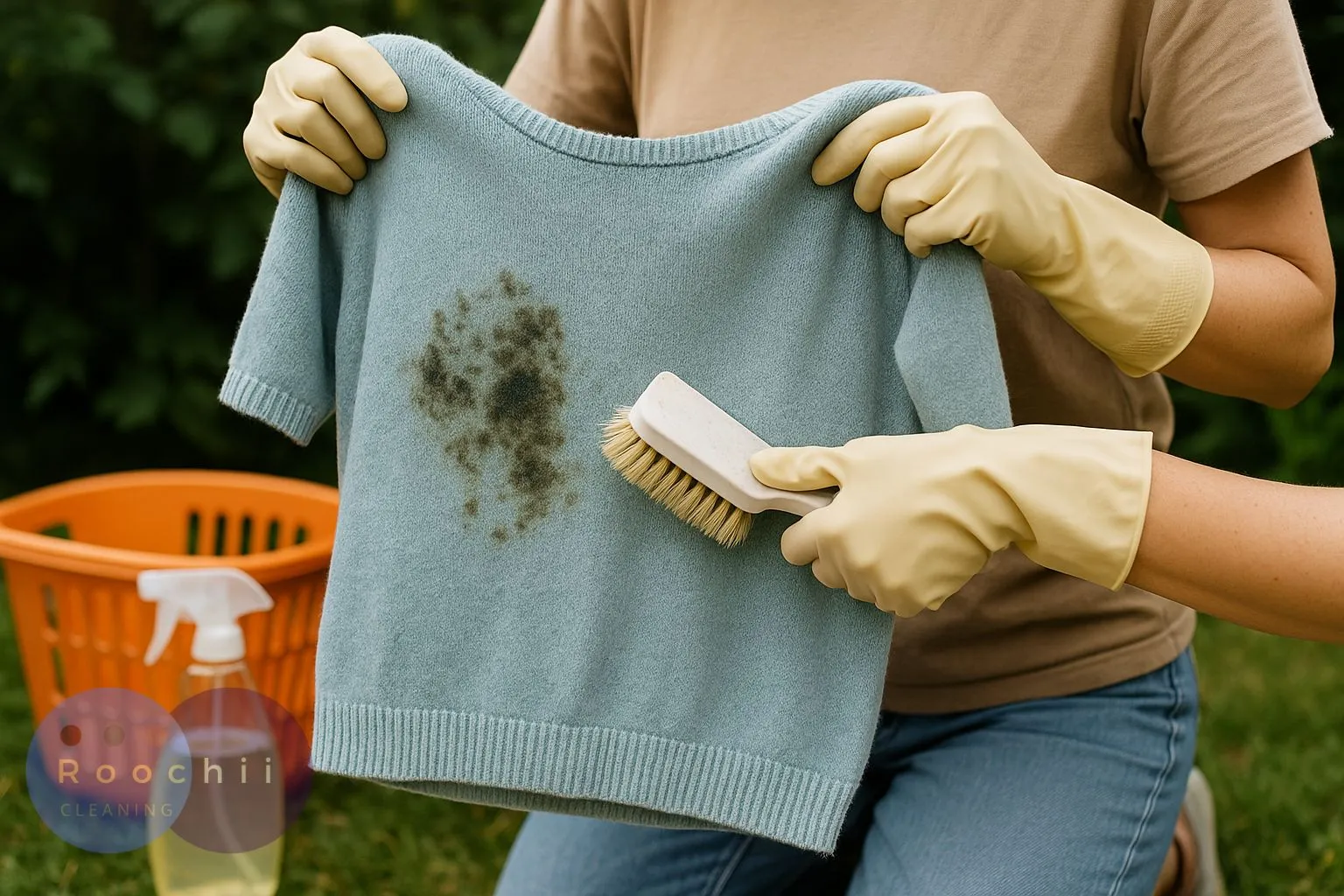
Fabric may seem soft and harmless, but it’s surprisingly accommodating to mold. Towels, clothing, curtains, and even upholstery can become mold magnets if left damp, improperly stored, or exposed to humidity for too long. And the real kicker? Mold doesn’t just sit on top. It gets deep into the fibers, leaving stains, musty smells, and sometimes irreversible damage.
If you’ve noticed black or green spots on your favorite shirt, or your gym bag smells like a wet forest floor, chances are you’re dealing with mold. But with the right approach, many fabric items can be saved.
Why Mold Loves Fabric
- Moisture retention: Fabrics absorb and hold water.
- Lack of ventilation: Stored in dark, enclosed places like hampers or closets.
- Organic material: Many fabrics are made from plant-based fibers, which mold feeds on.
Signs Mold Has Made It In the Fabric
- Musty or sour odors, especially when dry
- Discoloration or spotting (black, green, pink)
- Deteriorating fabric texture
How to Remove Mold from Fabric
1. Take It Outside
Shake out the item outdoors to dislodge loose spores and prevent spreading them indoors.
2. Pre-Treat the Moldy Spots
Apply white vinegar or lemon juice directly to the affected areas. Let sit in sunlight for at least an hour, which can naturally bleach the mold stains.
3. Soak in Vinegar Solution
Mix one cup of white vinegar with hot water and soak the fabric for at least an hour. Vinegar breaks down mold and neutralizes odors.
4. Wash Normally Using Hot Water
Run a full wash cycle using hot water and your regular detergent. For stubborn mold, add baking soda or borax to boost mold-fighting power.
5. Dry Completely in the Sun
Sunlight is mold’s natural enemy. UV rays help kill any lingering spores and freshen the fabric.
If the smell or staining persists after one round, repeat the process. Avoid using bleach on delicate fabrics unless they’re white and bleach-safe.
A. Mold on Towels: Guide on How to Get Rid of Mold on Towels
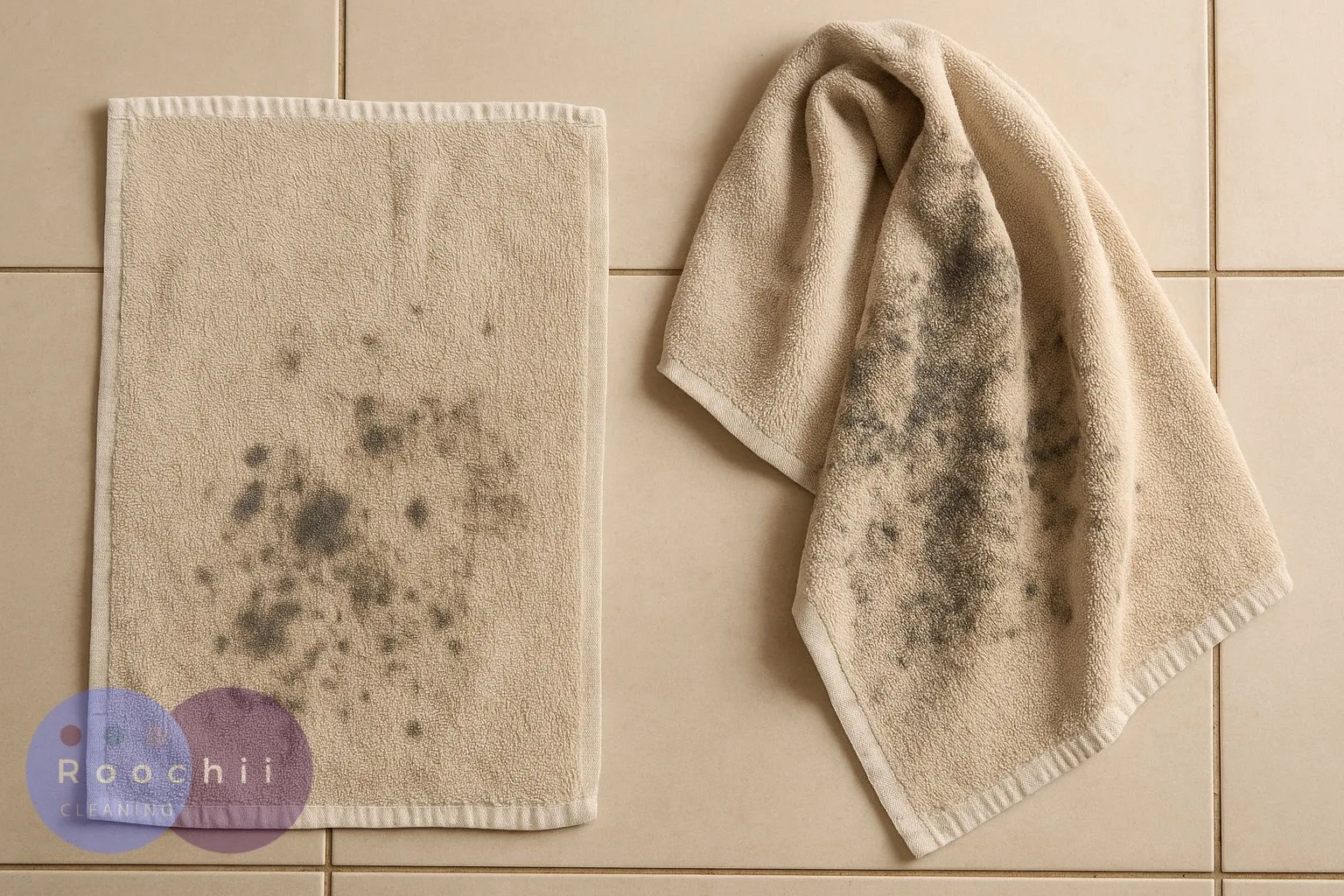
Towels are particularly vulnerable because they’re designed to absorb, and they rarely get the chance to fully dry between uses. If your towel smells funky even fresh out of the wash, mold might be the culprit.
Follow the same vinegar and baking soda method outlined above, but with towels, you can usually afford to be a bit more aggressive:
- Soak in full-strength white vinegar for 1–2 hours.
- Wash with hot water, baking soda, and no detergent.
- Dry on high heat or under direct sunlight.
Repeat if needed. If the towel still smells like a swamp after two rounds, it may be time to retire it.
8. What Is Pink Mold and How to Get Rid of It
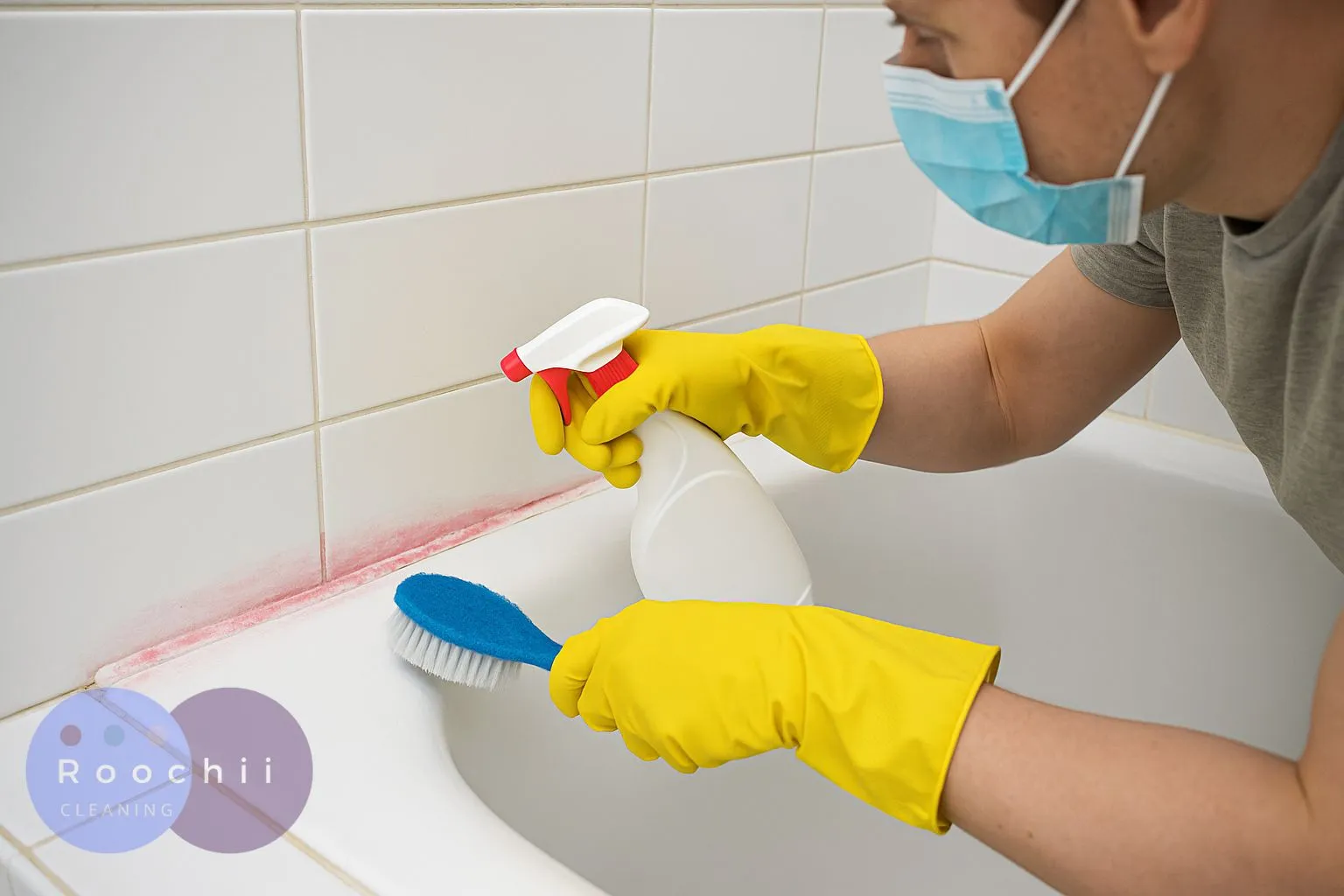
Despite its deceptively pleasant color, pink mold is not something you want decorating your bathroom tiles or clinging to your shower curtain. And to clear things up: it’s usually not a mold at all.
Most “pink mold” in household environments is actually a bacterium, most commonly Serratia marcescens, which thrives in humid, damp, soap-scummy places, particularly sinks and showers, as stated by Environmental Health Canada.
You’ll often find it:
- Around bathroom sinks and bathtubs
- On plastic shower curtains or liners
- In humidifiers and dishwashers
- Lingering inside toilet bowls and on tile grout
Is Pink Mold Dangerous?
For most people, pink mold is more annoying than harmful. But for those with compromised immune systems, it can lead to infections, especially urinary or respiratory.
Even if it’s not hazardous to your health, it’s still bad news for your surfaces. It stains, smells, and can be stubborn once it sets in.
How to Get Rid of Pink Mold
1. Wear gloves and a mask.
Pink mold may not be deadly, but it’s best not to inhale or touch it directly.
2. Spray with white vinegar or hydrogen peroxide.
Let it sit for 10–15 minutes to break down the bacteria.
3. Scrub with a brush or abrasive sponge.
Don’t just wipe. It needs a bit of muscle to dislodge.
4. Rinse, dry, and disinfect.
Use a mold-resistant spray or follow up with diluted bleach to discourage regrowth.
A. Does Bleach Kill Pink Mold?
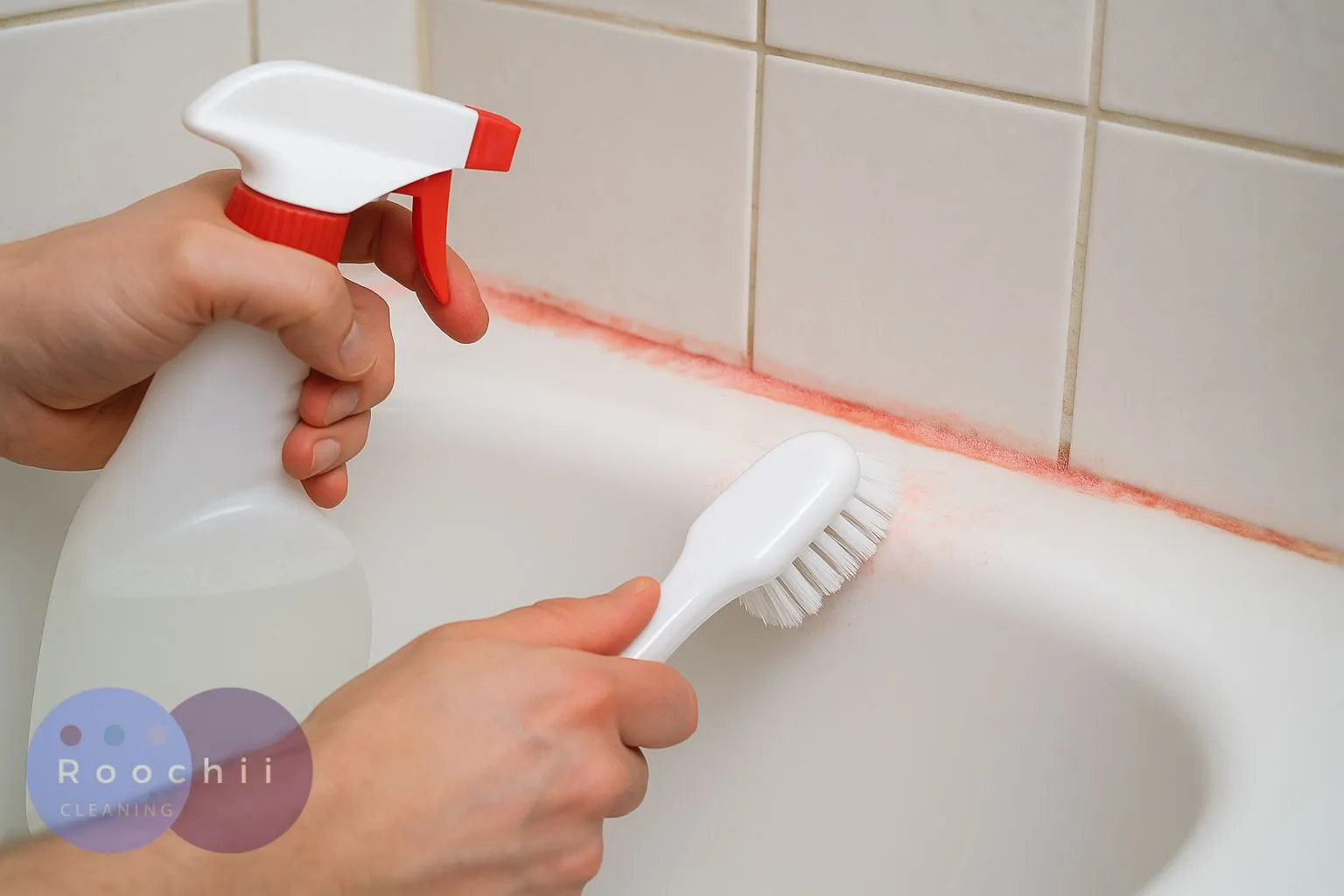
Yes, bleach can kill pink mold, especially on non-porous surfaces like tile, plastic, or porcelain. However, it’s more of a surface solution than a deep cleaner. For recurring pink mold, it’s better used as a secondary disinfectant after the area is scrubbed clean.
B. Pink Mold on Shower Curtain: How to Get Rid of It
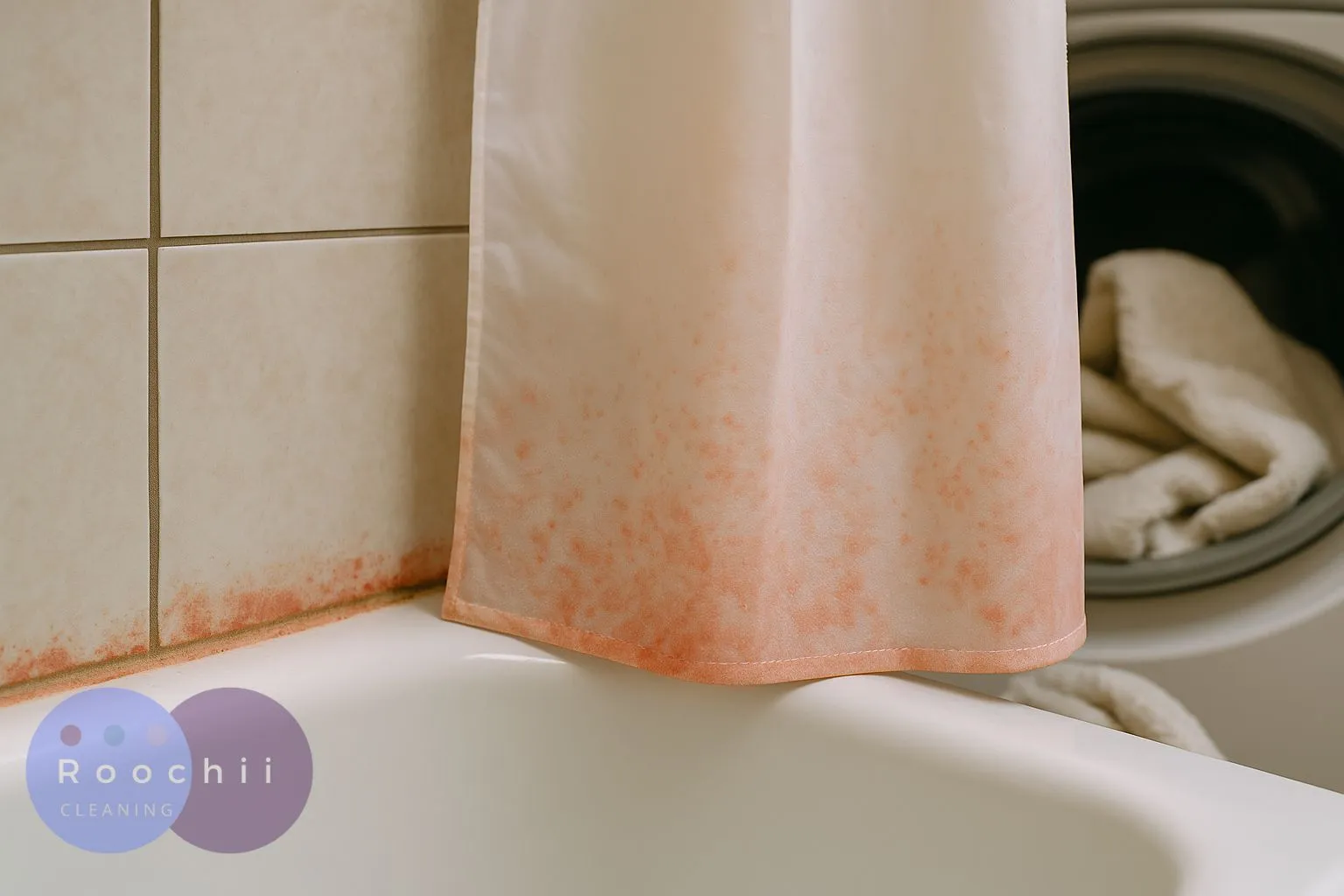
Shower curtains are pink mold’s favorite playground. Here’s how to evict it:
- Toss it in the washing machine with hot water, detergent, and a cup of white vinegar.
- Add a few towels to help scrub the curtain clean during the cycle.
- Let it air-dry in full sunlight. UV rays help eliminate remaining spores.
If it’s too far gone or still smells musty, replace it with a mildew-resistant liner.
C. How to Clean Pink Mold in Shower
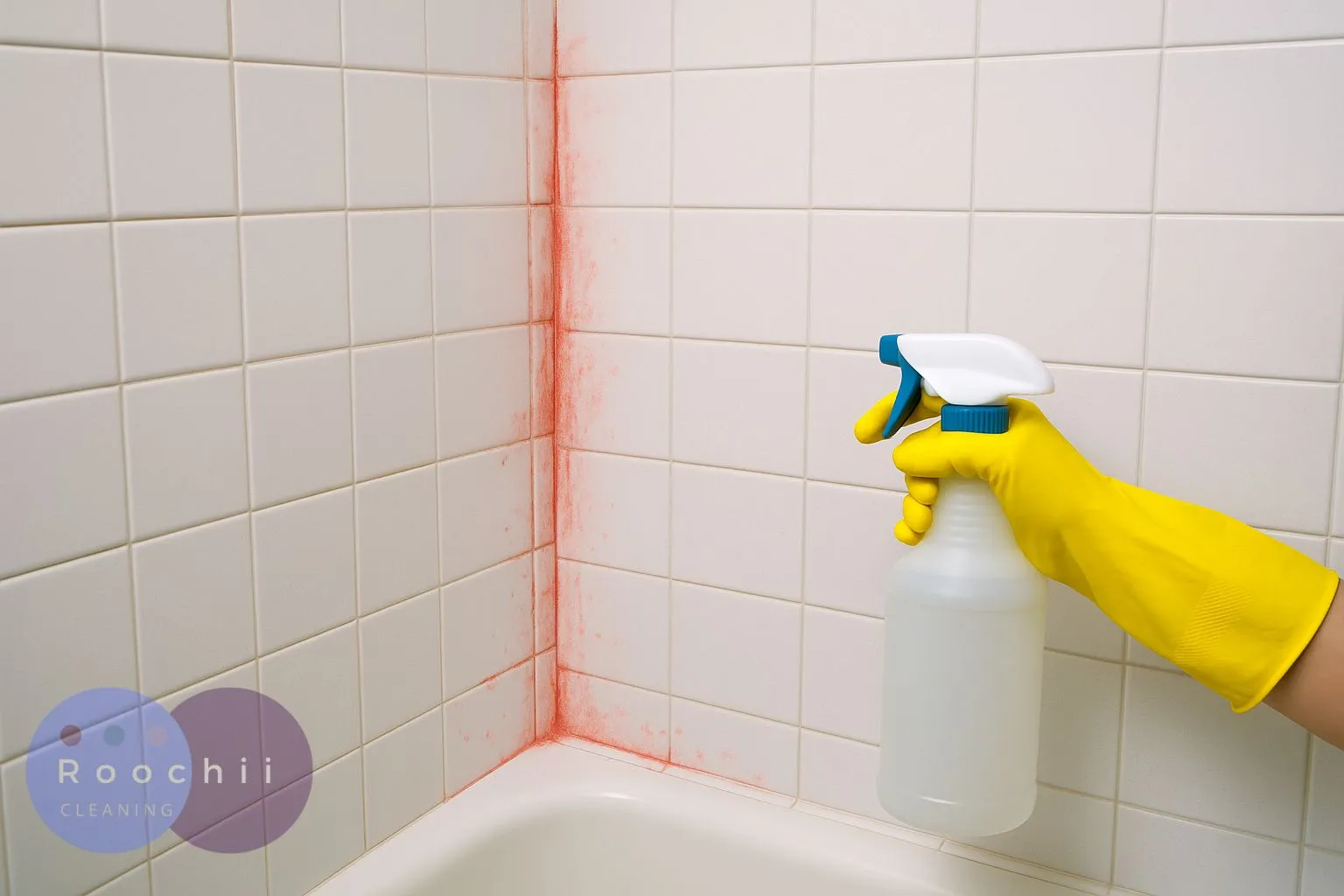
Shower walls, grout lines, and corners are perfect pink mold habitats. To clean pink mold in the shower, do the following:
- Spray with undiluted white vinegar or 3% hydrogen peroxide
- Let it sit for at least 10 minutes
- Scrub with a grout brush or toothbrush
- Rinse well and dry thoroughly
Regular cleaning, using a squeegee after showers, and running the exhaust fan can keep it from coming back.
D. Pink Mold in Dishwasher: How to Get Rid of It
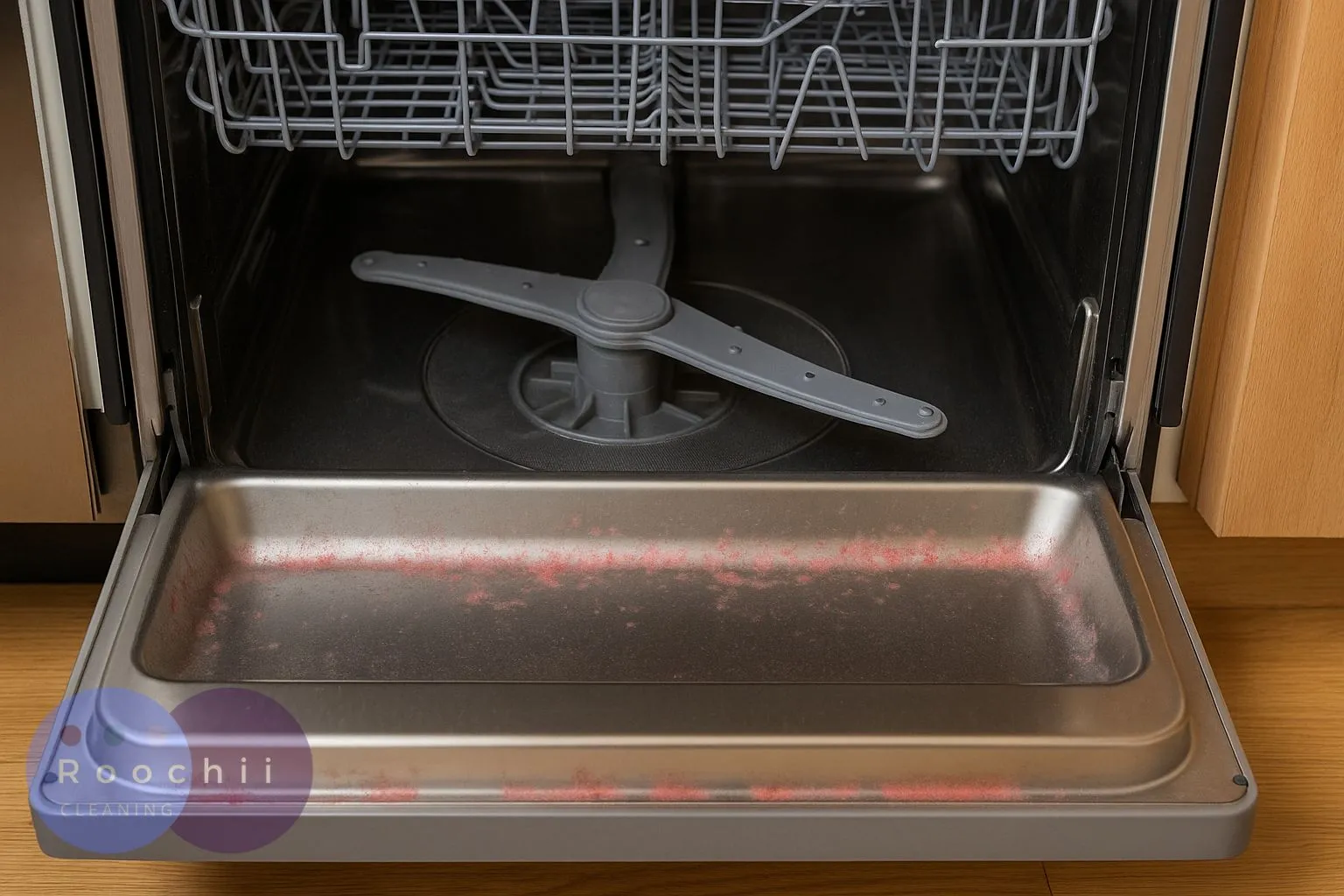
This one’s sneaky. You probably weren’t expecting to find mold in your dish-cleaning appliance. To get rid of pink mold in dishwasher:
- Run an empty cycle with a cup of vinegar.
- Follow with another cycle using baking soda.
- Clean the rubber seals and drain filter manually. This is where pink mold often hides.
E. Does Vinegar Kill Pink Mold?
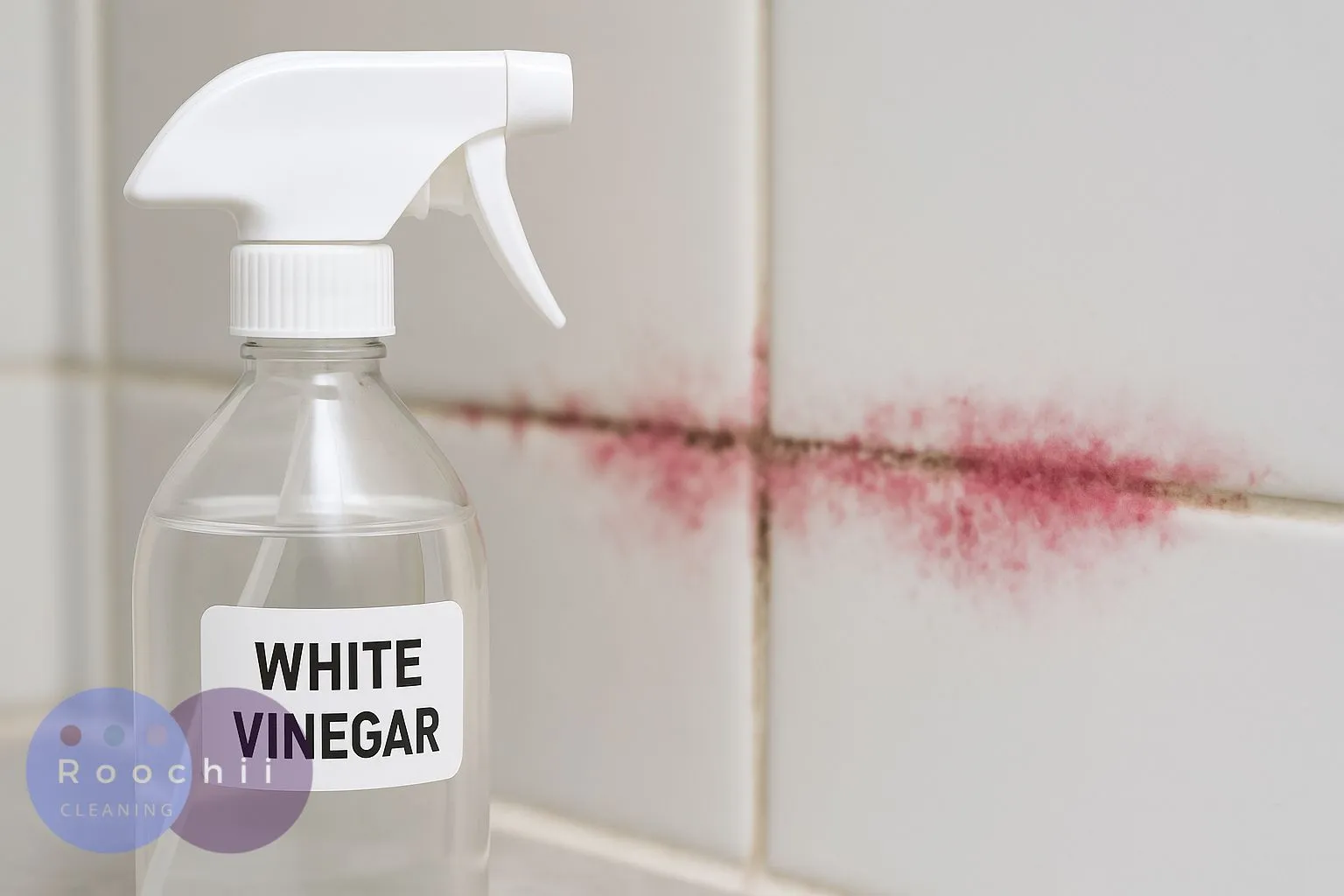
Yes, white vinegar is effective against pink mold, especially for routine maintenance. Use it weekly in areas like showers, humidifiers, and dishwashers.
F. Pink Residue in Humidifier
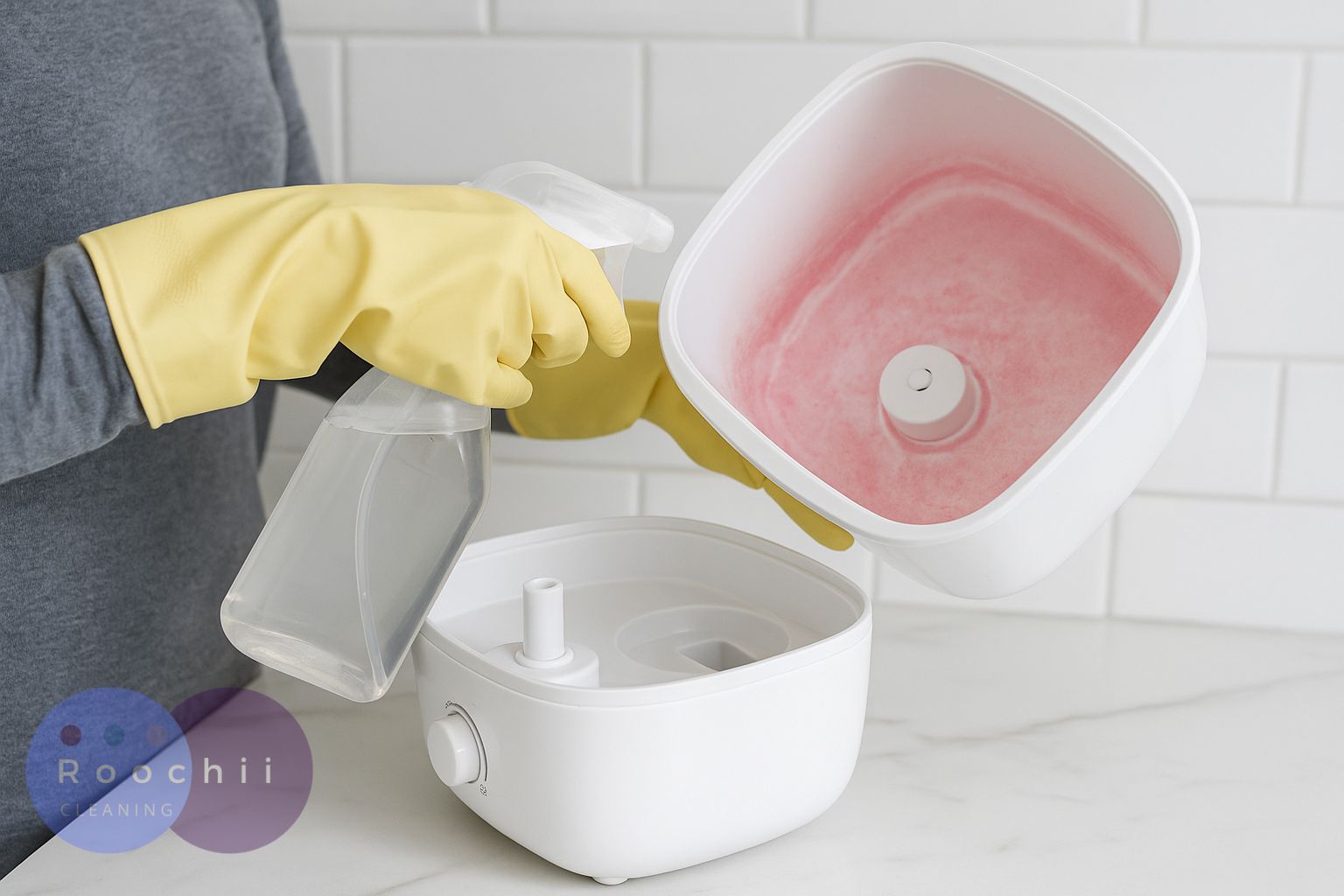
That pink slime inside your humidifier is likely Serratia. It thrives in standing water and warm, wet environments.
- Disassemble and clean all parts with vinegar or hydrogen peroxide
- Let parts air-dry fully before reassembly
- Clean the unit every 2–3 days during frequent use
G. Pink Mold on Wall: How to Get Rid of It
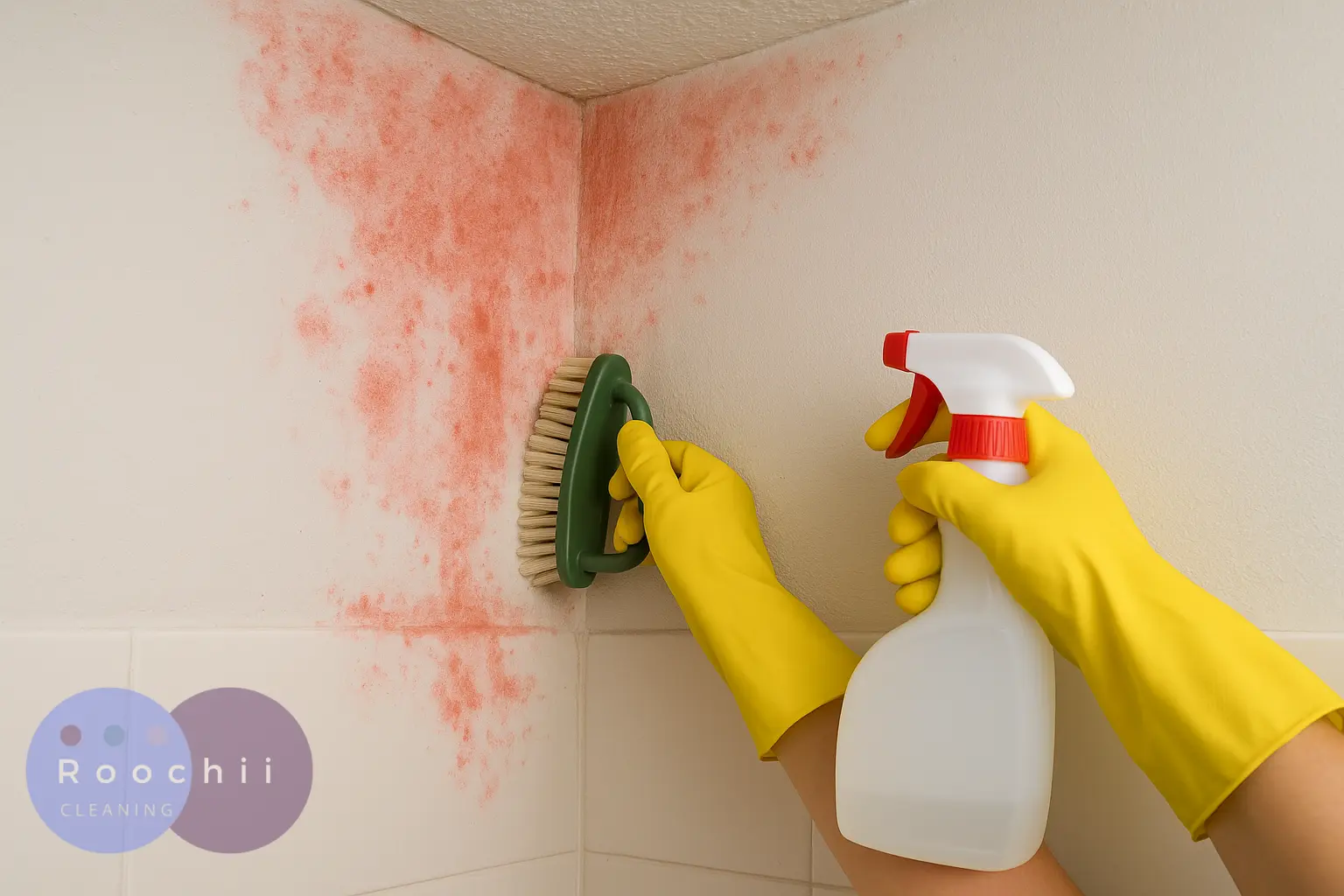
If the wall is painted drywall, scrub the area with vinegar or mold cleaner, but avoid saturating it. Mold may have penetrated below the surface, so monitor it closely. If the patch returns or spreads, professional remediation may be necessary.
H. Pink Mold on Ceiling: What Causes It and How to Get Rid of It
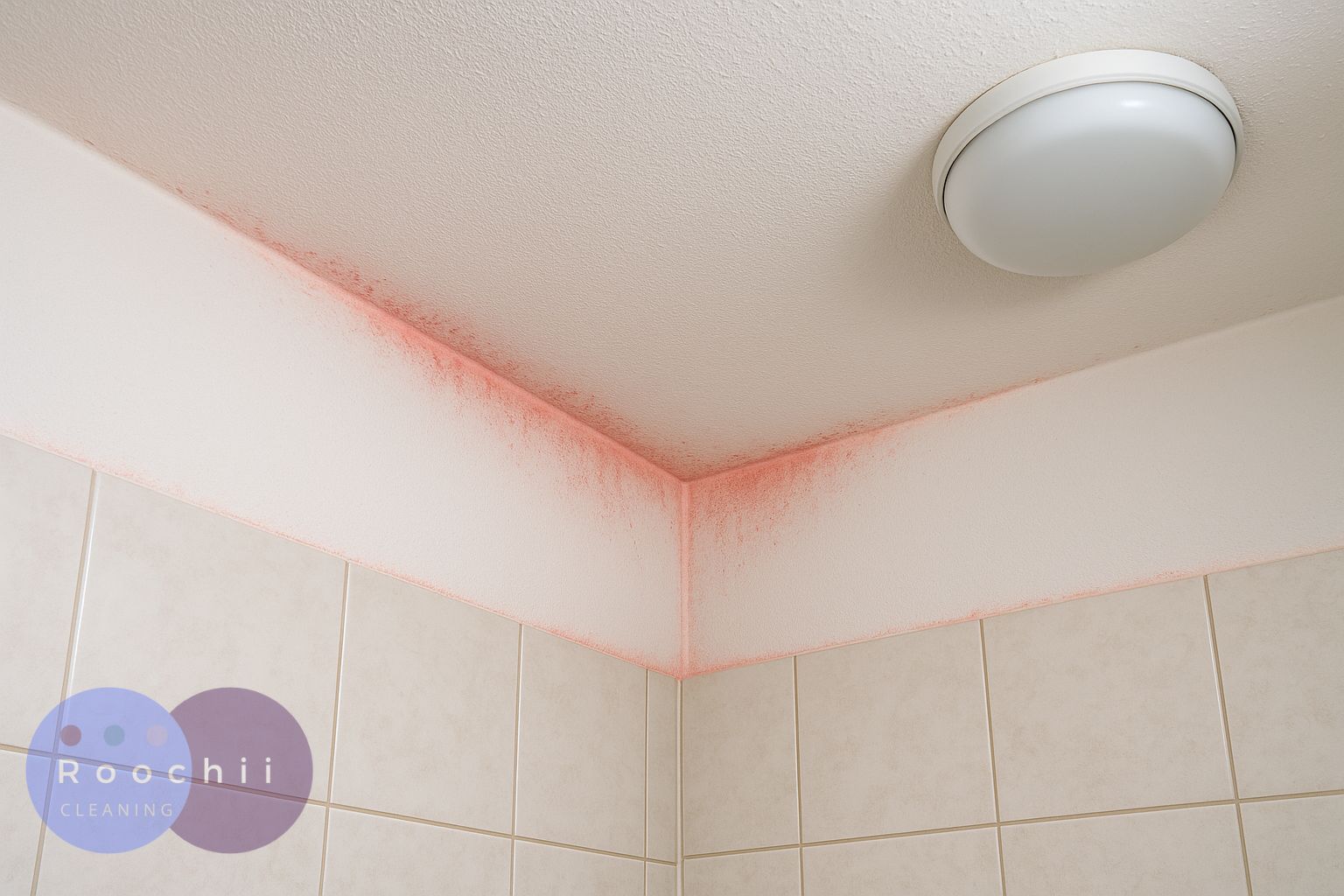
Like with mold on walls, ceilings often collect condensation—especially in bathrooms.
- Identify moisture source (poor ventilation, leaky fixtures)
- Clean with hydrogen peroxide and dry completely
- Consider repainting with mold-resistant ceiling paint
I. Pink Ring in Toilet: How to Get Rid of It
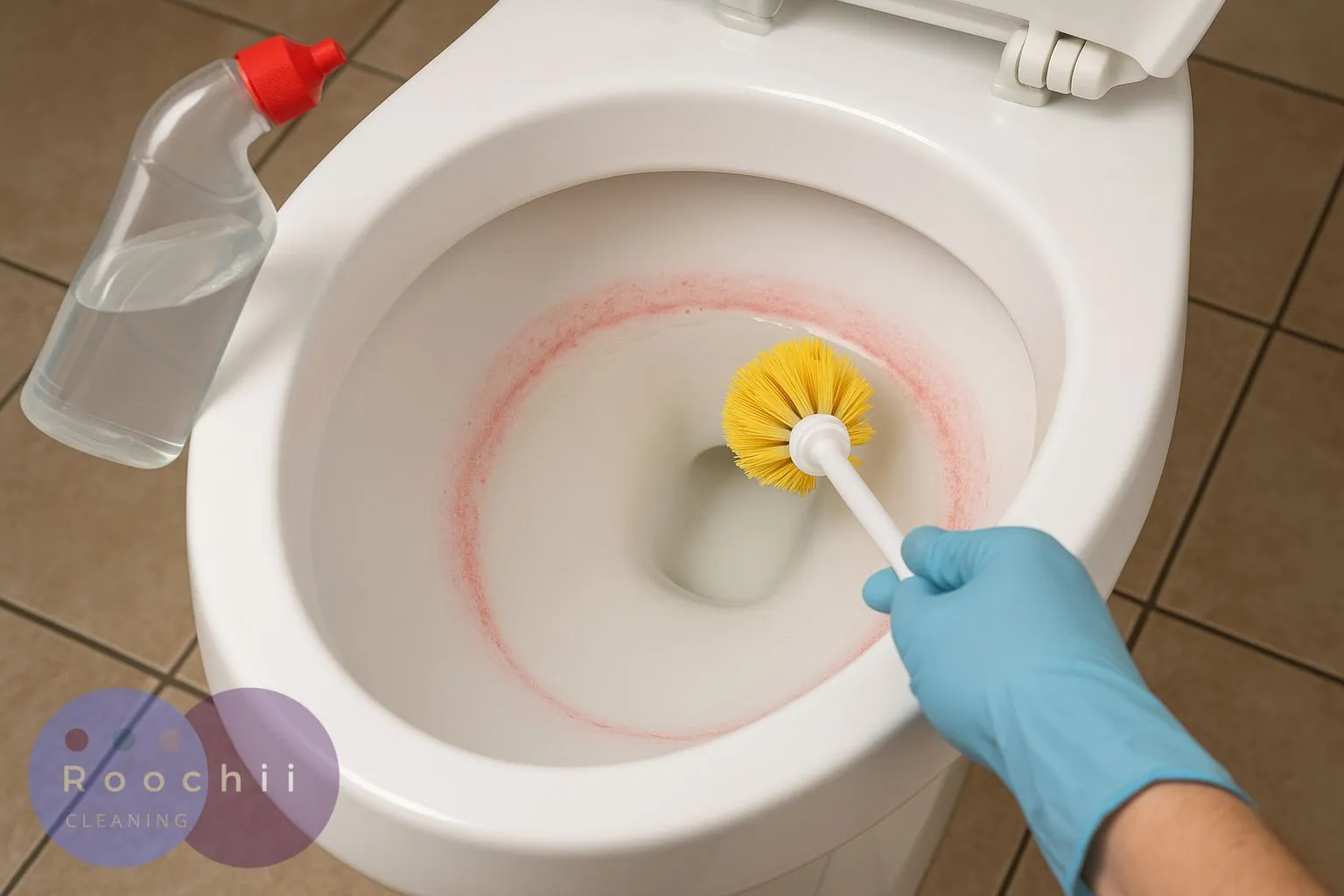
That pink ring around your toilet bowl isn’t a sign of neglect—it’s bacteria enjoying your water supply.
- Scrub with toilet cleaner and a stiff brush
- Add white vinegar to the tank weekly to kill off lurking bacteria
- Consider using tablets designed to prevent bacterial growth in toilets
9. How to Clean Orange Mold?
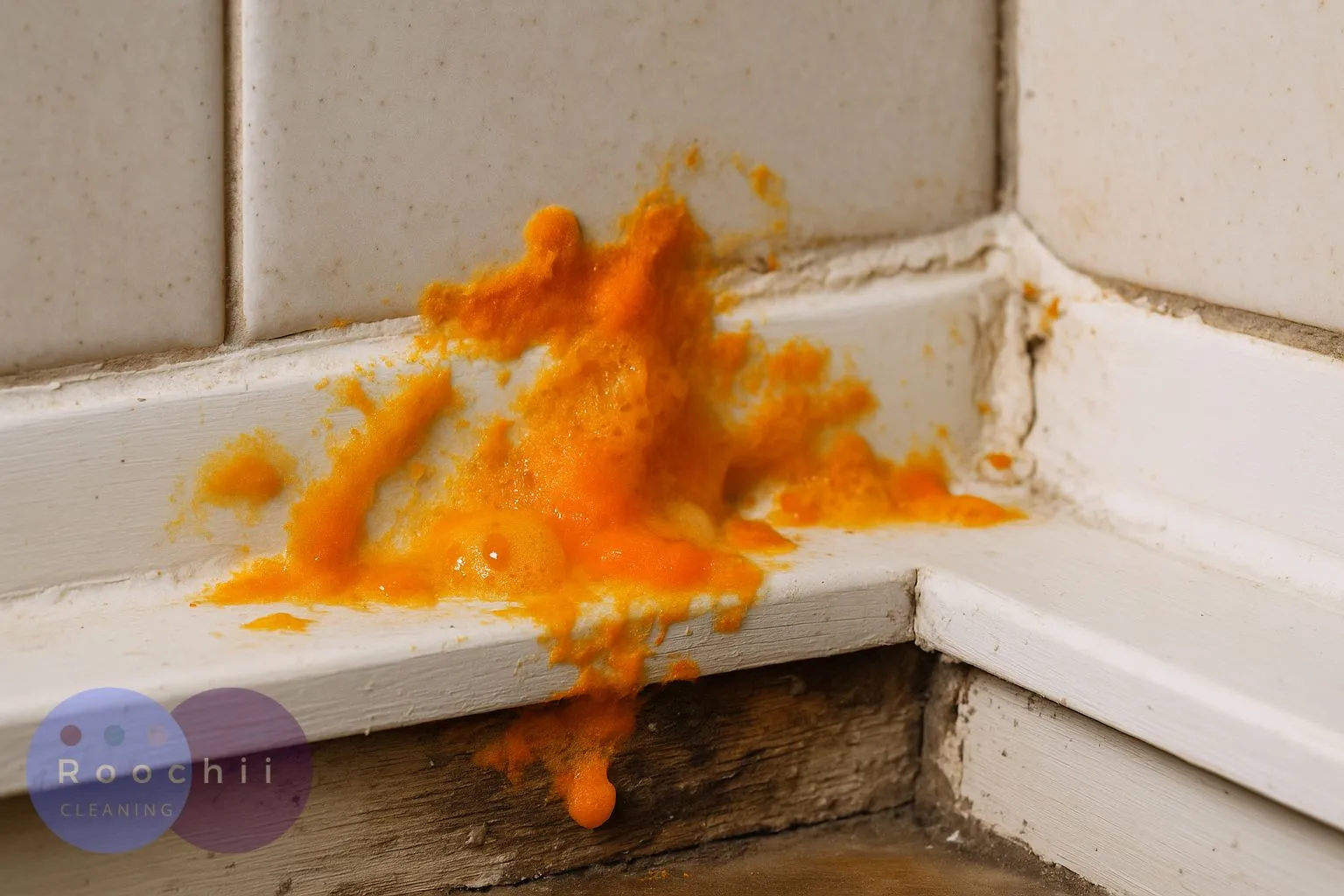
Orange mold is the oddball of the household fungi family. Unlike its more infamous black and green relatives, orange mold doesn’t always look like mold at first glance. It can appear as bright orange slime, powdery rust-colored patches, or even jelly-like blobs, depending on the species and where it shows up.
It’s not as common in homes, but when it does appear, it’s usually in places that stay dark, damp, and undisturbed—think leaky cabinets, basements, wood structures, and old food containers. Sometimes, it even shows up in bathrooms alongside pink mold, forming a kind of grotesque rainbow you didn’t ask for.
What Makes Orange Mold Different?
Orange mold often belongs to a group of organisms called slime molds or Fuligo septica (a.k.a. “dog vomit slime mold”). While the name is charming, the presence of orange mold can mean excessive moisture, decaying organic matter, or poor air circulation.
While not always toxic, orange mold can still trigger allergic reactions and deteriorate wood, insulation, and even food items if left untreated.
A. How to Clean Orange Mold in Showers
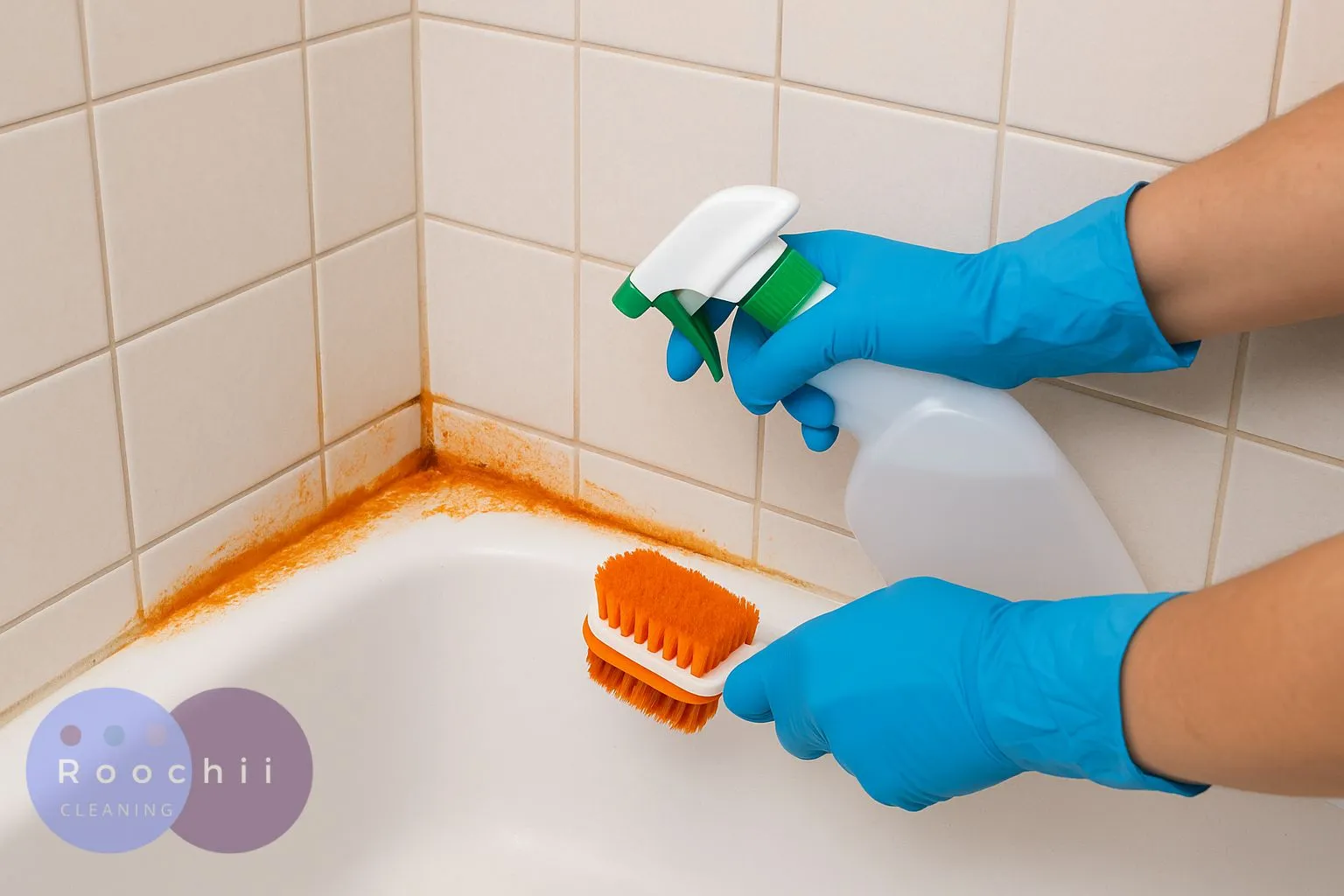
Orange mold in the shower usually builds up near caulk lines, tile grout, and soap scum: places that stay perpetually damp.
- Spray with hydrogen peroxide or undiluted vinegar
- Let sit for 15–20 minutes
- Scrub thoroughly with an abrasive sponge or grout brush
- Rinse well and wipe dry
- Use a daily shower spray and a squeegee after each use to prevent its return
B. Orange Mold: Is It Life-Threatening?
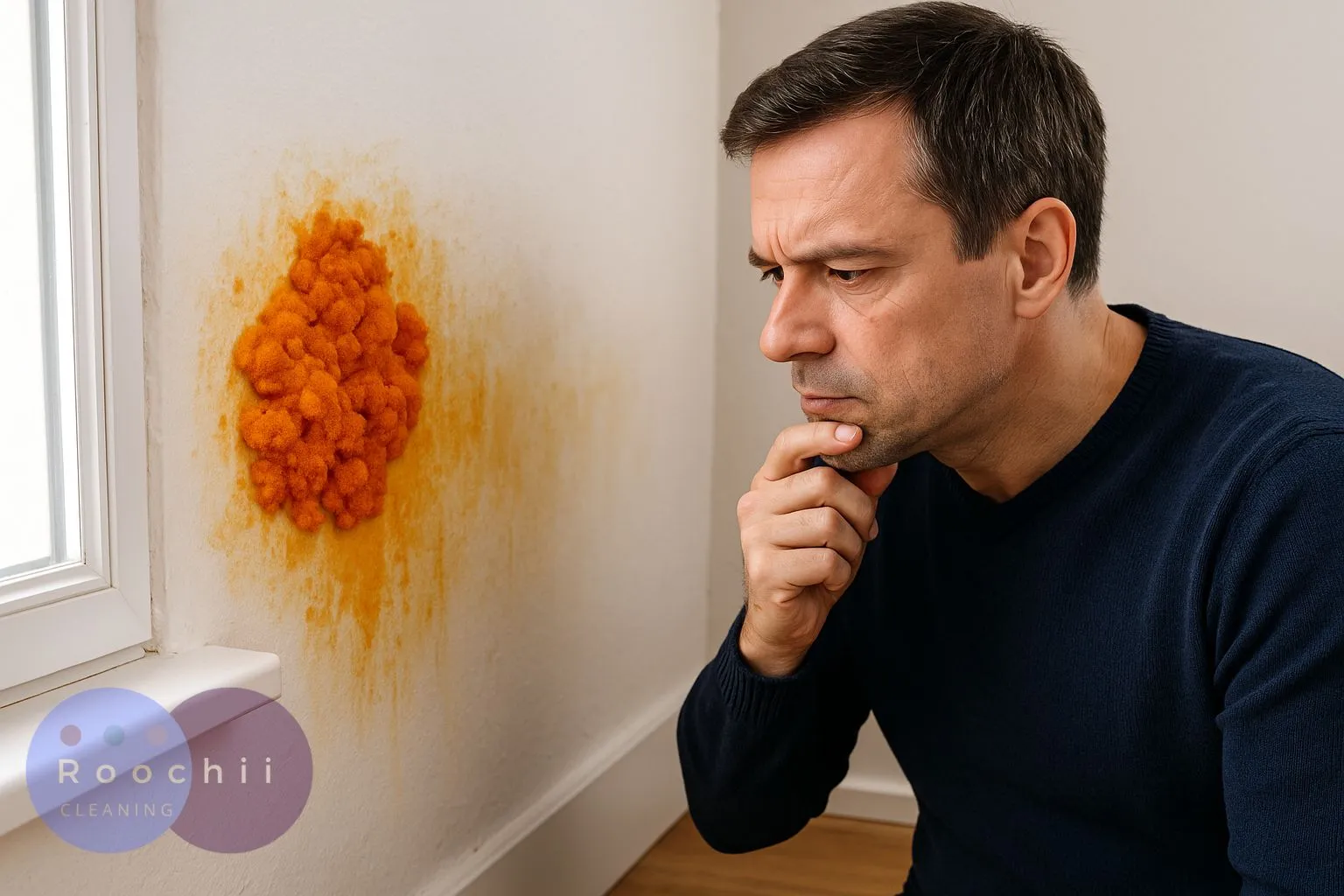
In most cases, no, orange mold isn’t life-threatening to healthy individuals. However, people with respiratory conditions, asthma, or weakened immune systems should still take it seriously. It can trigger allergies and may produce mycotoxins under certain conditions.
More importantly, orange mold often signals deeper issues: prolonged dampness, water damage, or decaying materials. So while the mold itself might not be deadly, the conditions allowing it to thrive can lead to structural damage and a serious mold infestation if ignored.