Skip to content

Say Goodbye to Orange Mold in Shower: Fast, Proven Cleaning Solutions
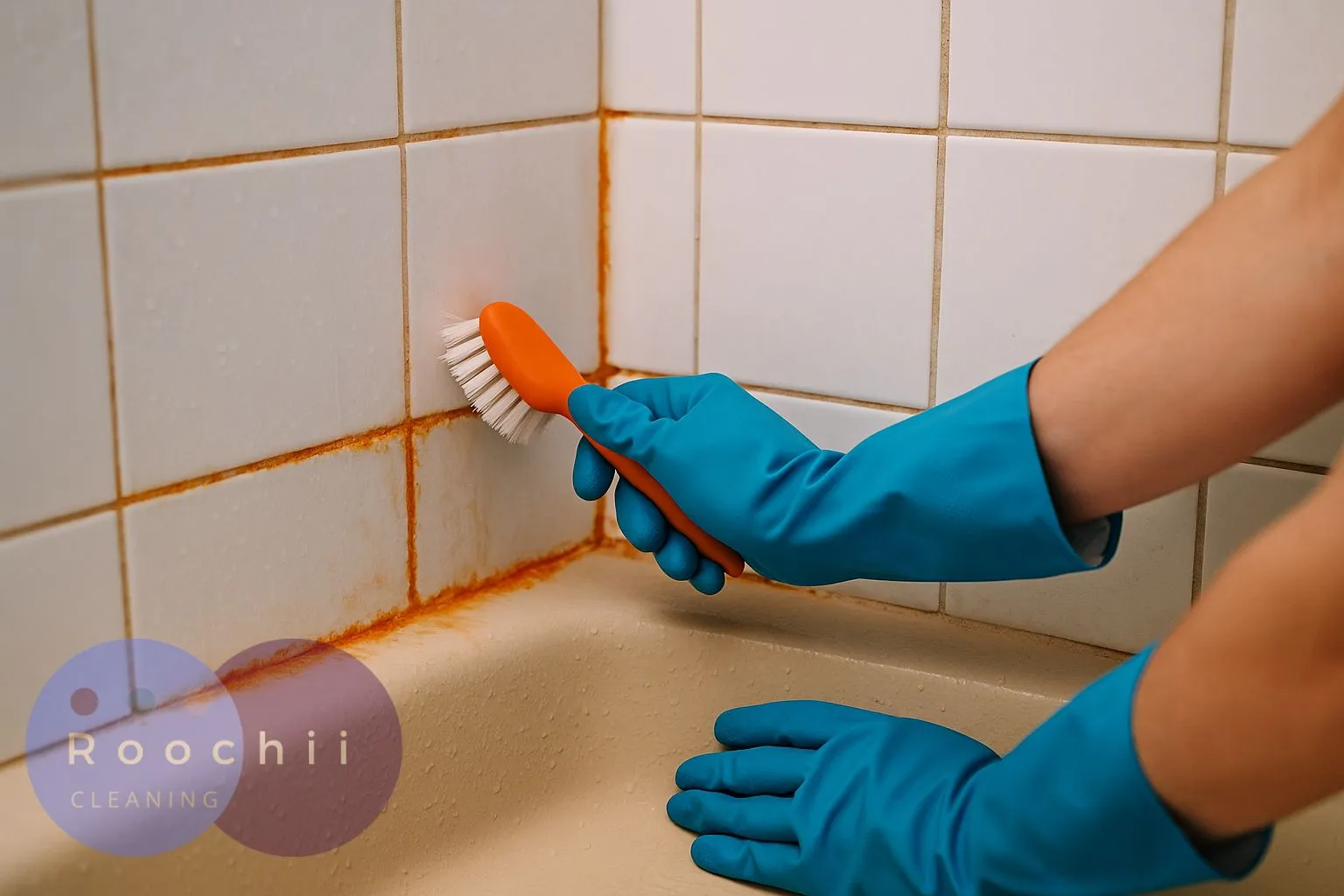
How Orange Mold Forms in Shower
To get rid of orange mold in your shower, scrub affected areas with natural solutions like vinegar or hydrogen peroxide, deep-clean your caulking, and improve airflow to keep moisture at bay. Sounds easy enough, until it comes back like it’s got a spare key.
Yes, that weird orange slime creeping along your tiles is more than just a cosmetic issue. Often caused by a soap-loving bacteria called Serratia marcescens, orange mold thrives in damp, dark corners, and it’s not going away just because you gave it a dirty look.
But here’s the good news: you don’t need to douse your bathroom in bleach or call in a mold shaman. This guide gives you:
Step-by-Step Guide to Removing Orange Mold in Shower
Now that you’ve confirmed you’re dealing with orange mold in the shower, it’s time to roll up your sleeves and take action. This section offers proven cleaning methods all designed to eliminate orange mold and prevent it from returning.
Tools & Supplies You’ll Need to Remove Orange Mold in Shower
Before you begin, you’ll have to get the following cleaning tools and materials:
- White vinegar (distilled)
- Baking soda
- Hydrogen peroxide (3%)
- Dish soap
- Spray bottles
- Scrub brush or old toothbrush
- Sponges or non-abrasive pads
- Rubber gloves
- Protective mask (optional)
- Mold and mildew-specific bathroom cleaner (optional)
- Plastic bag and utility knife (for removing old caulk)
These supplies are affordable, safe for indoor use, and highly effective when used correctly.
Proven and Tested Cleaning Methods for Orange Mold Removal
1. Natural Method: Vinegar and Baking Soda
This non-toxic approach is perfect for tackling early-stage mold buildup. Follow these steps:
- Fill a spray bottle with white vinegar and generously spray the affected area.
- Let it sit for 10–15 minutes to loosen the mold and disinfect.
- Create a baking soda paste (3 parts baking soda to 1 part water).
- Use a brush or sponge to scrub the mold with the paste.
- Rinse thoroughly with warm water.
Repeat the process if needed, especially for grout lines and textured surfaces.
2. Hydrogen Peroxide
Hydrogen peroxide is a powerful antifungal and antibacterial agent. Here’s what you need to do:
- Pour 3% hydrogen peroxide into a clean spray bottle.
- Spray directly onto the mold and let it sit for 15–20 minutes.
- Scrub gently with a brush or sponge.
- Rinse and dry the surface completely.
This method is useful for stubborn mold in tight corners or porous areas like tile grout.
3. Use Commercial Mold and Mildew Cleaners
When natural solutions aren’t enough, consider specialty bathroom cleaners labeled for mold and mildew. Look for products containing the following:
- Benzalkonium chloride
- Sodium hypochlorite (bleach-based)
- Antifungal surfactants
Follow the manufacturer’s instructions carefully and use proper ventilation.
4. How to Remove Tough Mold from Shower Caulk
If orange mold has penetrated caulk, simple cleaning won’t cut it; you’ll need to remove and replace the caulk.
Follow these steps:
- Use a utility knife to cut and remove the mold-infested caulk.
- Clean the area with vinegar or hydrogen peroxide to eliminate residual mold.
- Allow the area to dry completely—wait at least 24 hours.
- Reapply a mold-resistant silicone caulk and let it cure per product instructions.
Safety Precautions When Cleaning Orange Mold in Shower
To protect yourself and your home while cleaning:
- Always ventilate the area. Open windows and use exhaust fans.
- Wear rubber gloves and, if needed, a face mask.
- Avoid mixing chemicals (especially bleach with ammonia or vinegar), as this can create toxic fumes.
- Test cleaners on a small area first to avoid surface damage.
These safety measures are especially important if you’re using stronger commercial products or working in tight spaces.
How to Prevent Orange Mold in Shower from Coming Back
Getting rid of orange mold is a win. But keeping it gone? That’s where the real battle begins. Think of it like trimming weeds: if you don’t deal with what’s feeding them, they’ll return like clockwork.
These preventive strategies will help you break the cycle of moldy déjà vu and keep your bathroom fresh, clean, and drama-free.
1. Dry the Shower After Every Use
Mold and bacteria don’t thrive on dry land. The fastest way to stop them is to kick out their moisture source. Try this post-shower routine:
- Squeegee walls and doors to remove standing water
- Wipe down ledges and flat surfaces with a microfiber towel
- Shake off loofahs and hang them somewhere airy
- Leave the shower door or curtain open to promote airflow
It adds 90 seconds to your routine, yes, but also saves hours of scrubbing later.
2. Improve Bathroom Ventilation
If your bathroom feels like a rainforest after every shower, you’re inviting mold to settle in. Fix it by:
- Installing or upgrading an exhaust fan (and actually using it)
- Running the fan for at least 30 minutes after showering
- Cracking a window, if you have one
- Adding a small dehumidifier if ventilation is poor
The goal is to make your shower a bad place for mold to set up shop.
3. Switch to Mold-Resistant Products
Some things are just built better. Upgrade your materials to make your bathroom naturally mold-resistant:
- Mold-resistant caulk: Specifically designed to block microbial growth
- Antifungal shower curtains or liners: Usually machine washable, too
- Drain covers and mats made of quick-drying or antimicrobial materials
These swaps are low-effort, low-cost, and high-impact.
4. Clean on a Regular Schedule
If your cleaning strategy is “wait until the orange slime reappears,” we need to talk. Set a proactive schedule:
- Weekly: Quick wipe-down with vinegar or a bathroom spray
- Monthly: Deep-clean grout, caulk, and drain areas
- Quarterly: Wash curtains, clean fans, inspect for moisture buildup
5. Store Bottles, Loofahs, and Razors Properly
Those bottles lined up along the tub? Mold hotspots. Move them to a caddy that drains well, and rinse off soap scum regularly. Loofahs and razors should be stored in dry places—not sitting in puddles or against the wall.
6. Check for Leaks and Hidden Moisture
A leaky pipe behind the wall or a poorly sealed tub can invite mold to grow where you can’t see it. Occasionally check:
- Caulking lines for gaps or peeling
- The floor around the tub for water damage
- Under-sink areas and supply lines
If something looks suspicious, fix it early before mold makes it permanent.
The Hidden Health Risks of Orange Mold in Your Bathroom
That orange slime in your shower might look like an ugly but harmless nuisance, but it’s doing more than messing up your tile grout. Orange mold can impact your health in ways that sneak up over time, particularly if you’re already sensitive to allergens or have a weakened immune system.
A. It Can Trigger Respiratory and Allergy Symptoms
When you breathe in mold spores or airborne bacteria while showering (thanks, steam), you may start to experience:
- Persistent coughing or sneezing
- Nasal congestion and sinus pressure
- Sore throat or hoarseness
- Itchy, watery eyes
- Worsening asthma or chronic respiratory conditions
If you or your family members are getting sick more often or waking up congested without another clear reason, your bathroom air quality might be to blame.
B. It Can Irritate or Infect Your Skin
The same surfaces that harbor orange mold are the ones that touch your skin. Mold or Serratia can cause:
- Minor skin rashes or itching
- Infections in small cuts or abrasions
- Breakouts or irritation when using contaminated loofahs, razors, or towels
In essence, you’re sharing your shower with something that doesn’t care about hygiene but thrives in your body wash runoff.
C. It’s Especially Dangerous for Immunocompromised People
For healthy adults, orange mold is gross but usually manageable. But for people with weakened immune systems, it can be downright dangerous.
Potential complications include:
- Urinary tract infections (yes, from shower bacteria)
- Lung infections or pneumonia
- Bloodstream infections (in rare but documented cases)
- Gastrointestinal issues from accidental ingestion or contamination
This isn’t about fear; it’s about understanding that some bathrooms are riskier than others, and vigilance makes a difference.
D. It Can Affect Mental Health Too
It’s easy to laugh off mold as a cleaning issue, but the psychological effects are real. Constant exposure to visible mold and the perception of an unclean environment can cause:
- Anxiety about hosting guests
- Shame or embarrassment
- Stress about recurring maintenance issues
- General unease in your home
And when the bathroom starts to feel like a health hazard, it can quietly wear you down.
Where Orange Mold Hides in the Bathroom
Orange mold doesn’t always scream for attention. In fact, it often lurks quietly in the corners you forget to clean, wearing disguises like rust stains, hard water buildup, or even soap scum. If you want to beat it, you’ve got to know where it hides, and what it’s not.
The Mold’s Favorite Hiding Spots in Your Shower
Orange mold thrives in dark, damp, and undisturbed places. Some of its most common hideouts include:
- Grout lines: Especially along the base of walls and in corners
- Silicone caulking: Mold can penetrate below the surface and spread invisibly
- Shower door tracks and crevices: These trap water and soap residue
- Drain covers and overflow areas: Always moist, rarely cleaned
- Behind or underneath bottles and soap trays: Small, humid caves for mold
- Shower curtains or liners: Particularly in the folds or lower edges
These are not random; it’s always places where moisture lingers and cleaning tools rarely reach.
When to Call a Professional for Orange Mold in the Shower
At some point, even the most committed DIY-er has to admit defeat. If orange mold keeps showing up no matter how many sprays, scrubs, and vinegar baths you throw at it, your bathroom might be dealing with something deeper.
Here’s how to know when it’s time to bring in the pros.
A. When Mold Returns Within Days of Cleaning
You’ve deep-cleaned the grout, replaced the caulk, aired out the bathroom—yet the slime is back before your next weekend. That’s a red flag. Persistent regrowth often means:
- Moisture is trapped behind the walls or under tile
- Leaks are present, but hidden from plain sight
- Biofilm has built up deep in porous materials you can’t reach
Professionals use tools like moisture meters, infrared cameras, and air quality tests to detect problems far beyond the surface.
B. When It Spreads Beyond the Shower
Orange mold shouldn’t migrate to:
- Bathroom walls or ceilings
- Baseboards, trim, or floors
- Nearby rooms (like closets or bedrooms)
If you spot discoloration outside the shower zone, you’re dealing with a wider infestation—one that could be affecting drywall, insulation, or even your home’s structure. This is no longer just a bathroom issue.
C. When Health Symptoms Start Showing Up
Sometimes the first signs of a mold problem show up in your body:
- Recurring sinus infections or allergies
- Breathing issues in the morning
- Skin irritation that clears up when away from home
This is especially concerning for people with asthma, allergies, or suppressed immune systems. A mold remediation expert can confirm the presence of dangerous microbial growth through air sampling and lab testing.
D. When Mold is Growing Inside or Behind Caulk and Grout
If mold is visibly growing inside or underneath your caulking, it’s no longer a surface issue. You can’t clean what you can’t reach. Mold-resistant caulking won’t help if the foundation underneath is already infested.
Professionals can:
- Safely remove affected materials
- Apply antimicrobial sealants
- Repair moisture damage at the source
E. Early Intervention Saves Money and Sanity
Waiting too long can mean:
- More expensive repairs
- Mold spreading behind walls and floors
- Lingering odors and stains
- Ongoing health concerns
A reputable mold remediation company will inspect, test, and provide a targeted plan to fix your bathroom without ripping the whole thing apart.
Take Control of Your Bathroom and Say Goodbye to Orange Mold for Good
Orange mold in the shower isn’t just an eyesore. It’s a sign that something deeper may be going wrong in your bathroom. From health risks to lingering moisture problems, ignoring it can lead to more than just unsightly stains.
But now, you’re armed with a full toolkit of proven strategies: you know how to spot orange mold, safely remove it, and keep it from returning. With regular upkeep, proper ventilation, and mold-resistant products, you can turn your bathroom into a space that’s clean, healthy, and mold-free.
If mold keeps reappearing in your Denver home or spreads beyond what you can manage, don’t hesitate to seek expert help. Our dedicated team of cleaners from Roochii Cleaning Denver is here for you.
Take charge of your space today and say goodbye to orange mold for good.
FAQ
FAQs About Orange Mold in Shower
Orange mold often appears on shower curtains due to retained moisture and lack of air circulation. The folds and creases in curtains trap water, while the plastic material doesn’t dry quickly. Combine that with soap and shampoo residue, and it’s an ideal breeding ground.
While orange mold itself won’t structurally damage tile or grout, it can stain them permanently if not cleaned promptly. Over time, its presence can weaken caulking and allow moisture to penetrate, leading to deeper mold issues behind walls or under tiles.
Some essential oils, like tea tree and eucalyptus, have antifungal properties and can help prevent mold regrowth when added to homemade cleaning sprays. However, they’re not strong enough to fully remove existing mold and should be used as a supplement, not a standalone solution.
Orange mold slows its growth in cold environments but isn’t necessarily killed by them. If moisture and organic material are still present, it may simply become dormant and start growing again once warmer conditions return.
If your caulking has visible mold that doesn’t come off with cleaning or begins to separate from the surface, it’s time to replace it. In general, high-moisture areas may require caulk replacement every few years, especially if not mold-resistant.
Yes, in some cases. Hard water can contribute to soap scum buildup, which provides a food source for orange mold. High mineral content may not directly cause mold, but it increases the residue that mold thrives on.