Skip to content

What is Pink Mold and How to Get Rid of It For Good
Everything You Need to Know About Pink Mold
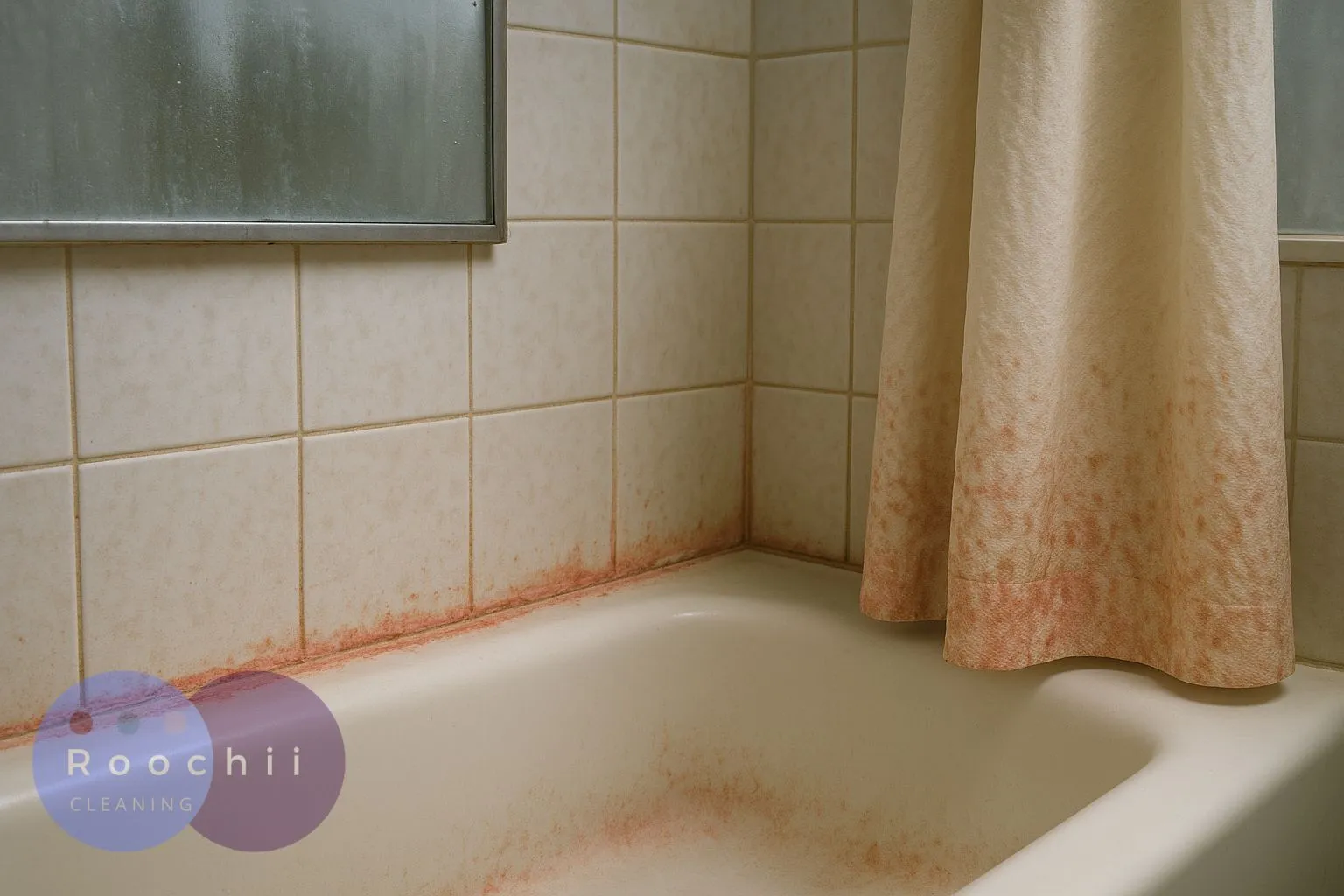
Curious what mold is pink? Pink mold is a common name for a reddish-pink slimy biofilm, typically caused by bacteria such as Serratia marcescens. It’s not technically a mold at all, but it behaves like one.
Pink mold is one of those uninvited visitors that thrives where hygiene gets a little lazy and moisture lingers a little too long. You’ve likely seen it blushing boldly around your tub or creeping up the shower curtain like it’s trying to redecorate.
The good news is that you can fight it back! With a little know-how, the right tools, and some tricks up your sleeve, pink mold can go from an annoying guest to an evicted biofilm.
In this guide, you’ll learn:
What Does Pink Mold Look Like?
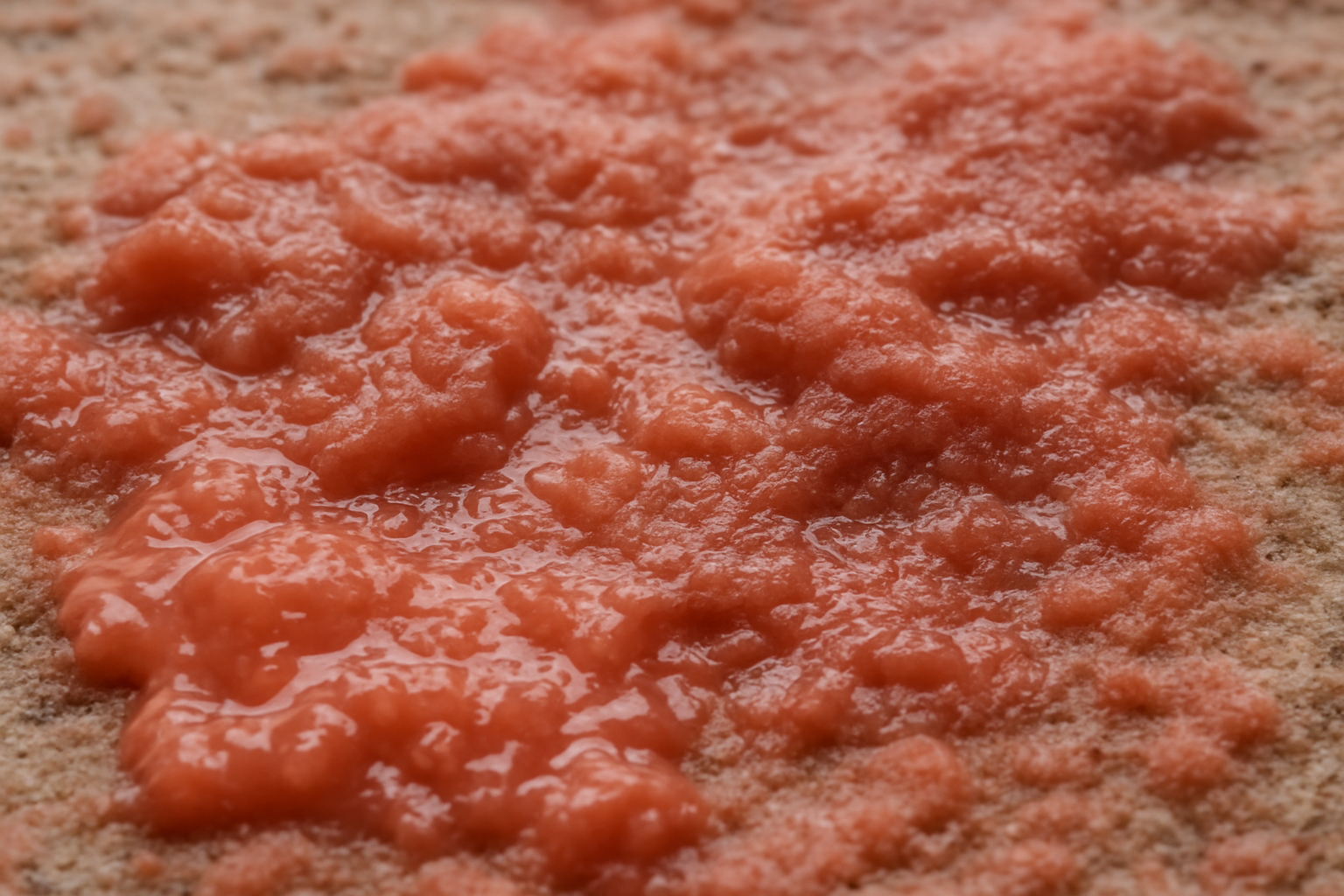
Pink mold has a distinctive salmon-to-reddish color and often appears slimy or filmy, as confirmed by multiple studies on S. marcescens. It can look like a soft coating, a gooey layer, or a dry crust, depending on how long it’s been living rent-free.
While it might initially resemble something relatively harmless, like strawberry yogurt remnants, don’t be fooled. This can be persistent and can spread quickly if left unchecked.

Common Causes of Pink Mold Growth
Pink mold doesn’t just randomly appear because it thinks your bathroom is cute. It shows up for specific, but preventable, reasons. Understanding what causes it is key to making sure it doesn’t keep coming back like a clingy ex with no boundaries.
Here are some of the most common causes of pink mold growth:

A. Excess Moisture: The Main Trigger for Pink Mold
Pink mold thrives in wet environments, especially places where water lingers and doesn’t dry out quickly.
Research from the Journal of Population Therapeutics confirmed that pink mold thrives in damp environments, especially those with humidity levels above 60%, like bathrooms, humidifiers, and dishwashers, by forming biofilms. Biofilms are slimy, protective layers that bacteria produce when they stick to wet surfaces.
Pink mold can live in a wide range of temperatures, from 5 °C to 40 °C, indicating its resilience even in cooler or warmer places.
Bathrooms, obviously, are prime real estate. All that steamy air, splashing water, and leaky faucets create a five-star experience for bacteria. But any place with consistent humidity, like laundry rooms, ceiling, under-sink cabinets, toilet bowls, or even kitchen sponges, can attract pink mold.
B. Poor Ventilation Promotes Pink Mold Bacteria
Bathrooms without proper ventilation become little homes for microbial growth.
Without an exhaust fan or open window to bring away the steam, moisture just hangs around, settling into every grout line and silicone seal. Pink mold loves that.
Even if you’re the type to take hot showers that fog up mirrors for hours, failing to ventilate afterward gives pink mold an environment to thrive.
C. Soap Scum and Body Residue: A Buffet for Pink Mold
Pink mold loves feeding on fatty substances, which include soap scum, shampoo residue, and body oils. These deposits build up over time in damp areas such as shower curtains, tiles, and bathroom corners, creating the ideal conditions for bacterial growth.
A clinical study also found that non-medicated soap dispensers were contaminated with pink mold, which means that it has a strong ability to colonize soap scum and products.
In short, your cleaning routine might skip the corners, the curtain, or that weird little spot under the shampoo bottle, but pink mold won’t.
D. Bad Cleaning Habits Help Pink Mold Spread
We’re not pointing fingers, but let’s just say if your idea of “cleaning the bathroom” involves spraying something vaguely lemon-scented into the air and walking away, then pink mold thanks you for your service.
Infrequent cleaning and overlooking small areas of mold can allow pink bacteria to grow and spread over time.
Routine scrubbing, especially in corners, around fixtures, and on often-wet surfaces, is essential to prevent buildup.
Additionally, items like damp towels, bathmats, and sponges that stay wet for extended periods can contribute to bacterial growth if they aren’t regularly washed or dried properly.
Basically, if it stays damp and doesn’t move, pink mold assumes it’s their furniture to take over.
Health Risks Associated with Pink Mold
While pink mold may seem like a cosmetic issue at first glance, it can pose legitimate health risks, especially in households with young children, elderly individuals, or people with weakened immune systems.
Despite not being a true mold, pink mold is a bacterium known to cause a range of health concerns when left unchecked.
A. Skin Infections Caused by Pink Mold
Pink mold has been linked to skin infections, particularly in individuals with open wounds or compromised skin. In fact, in one instance, a 77-year-old transplant recipient developed skin infections caused by S. marcescens.
Contact with contaminated surfaces such as walls, bathmats, or towels may increase the risk.
In healthcare settings, this bacterium has been known to cause infections in surgical wounds and catheter sites, although such cases are more rare in residential environments.
B. Urinary and Respiratory Infections from Pink Mold Bacteria
In more serious instances, particularly among immunocompromised individuals, pink mold bacteria can lead to urinary tract infections (UTIs) and respiratory tract infections.
While these outcomes are not common in otherwise healthy people, they highlight the importance of keeping high-moisture areas clean and free of bacterial buildup.
C. Vulnerable Populations at Higher Risk from Pink Mold
A case report from the Cureus Journal of Medicine Science highlighted that major risk factors for pink mold include old age, infancy, and prolonged hospital stays.
Infants, older adults, and those undergoing treatments that suppress the immune system, such as chemotherapy or organ transplants, may be more vulnerable to infection.
For these groups, even low levels of bacterial exposure can have more serious consequences, making regular cleaning and moisture control especially important.
Preventative Measures to Stop Pink Mold from Returning
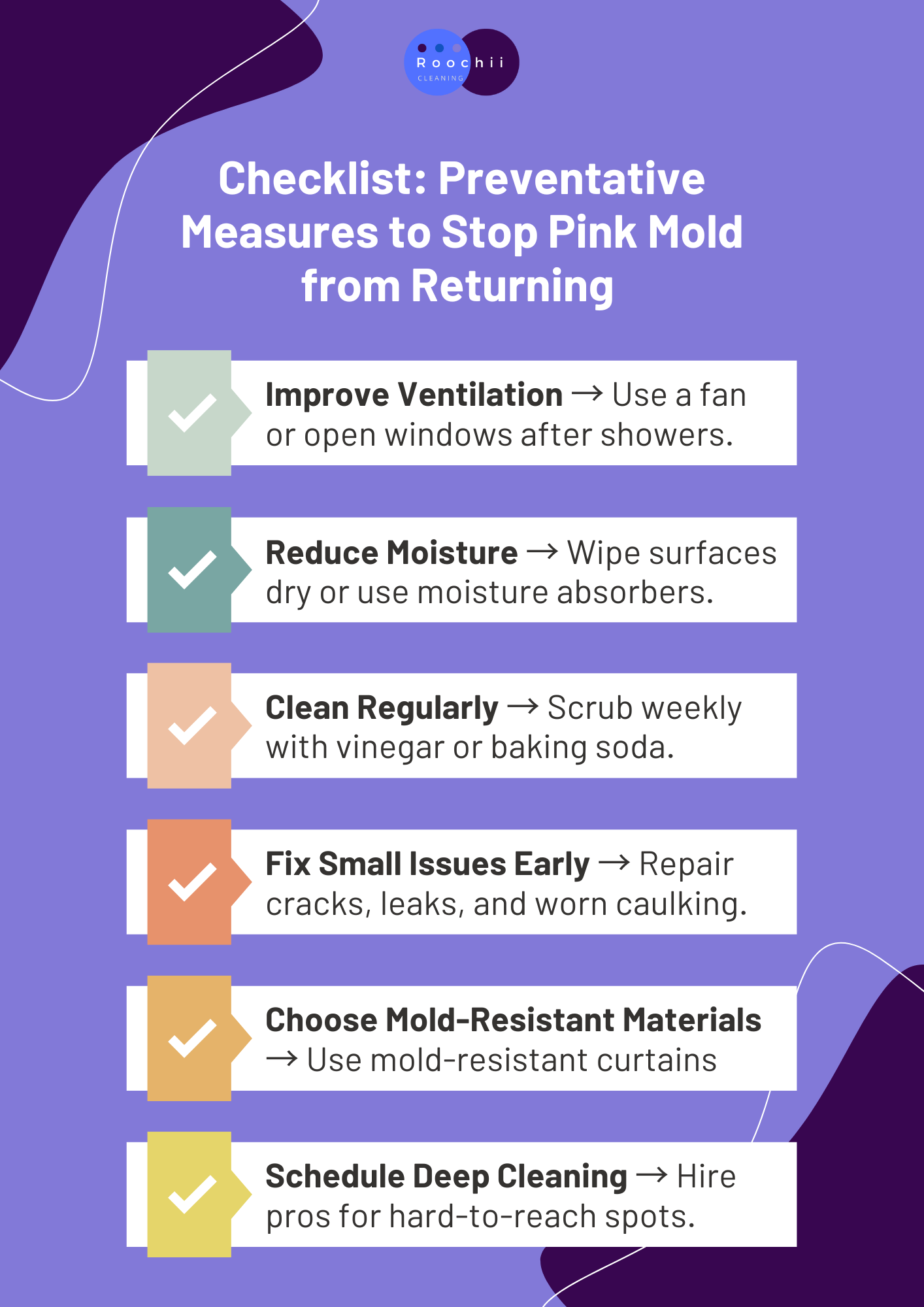
Prevention is always better than cure.
Cleaning pink mold is only half the battle. Preventing its return ensures you won’t be dealing with the same problem repeatedly, especially since it can be frustrating!
Since pink mold thrives in moist, warm, and poorly ventilated environments, prevention is all about controlling those conditions.
A. Improving Ventilation to Prevent Pink Mold
Proper ventilation is one of the most effective defenses against pink mold. Use an exhaust fan during and after showers to remove excess humidity, or open a window to encourage fresh air flow.
Without enough airflow, condensation can linger on surfaces and create the ideal conditions for pink mold to grow.
B. Reducing Moisture in High-Risk Areas
Keeping surfaces dry is critical.
Wipe down shower walls, tiles, and sinks after use, and use tools like squeegees or microfiber cloths to remove excess water. Even a small drip from a faucet or showerhead can create a consistent moisture source, so repair leaks promptly.
In areas like under-sink cabinets or laundry rooms, consider using moisture-absorbing products to keep humidity low.
C. Maintaining a Consistent Cleaning Routine
Regular cleaning interrupts bacterial growth before it becomes visible. So even if you’re not able to constantly reduce moisture, you can prevent mold from appearing by cleaning constantly.
Aim to scrub grout, caulking, and other damp surfaces at least once a week with vinegar, baking soda, or a mold-prevention cleaner. Focus on spots that stay damp longer, such as corners, behind shower bottles, and the base of fixtures.
For those who have busy schedules or prefer to leave deep cleaning to professionals, hiring a house cleaning service can be an effective way to keep bathrooms and kitchens in mold-free condition year-round.
D. Addressing Small Issues Before They Grow
To prevent big problems from happening, you have to fix them before they become noticeable.
Leaks, cracked tiles, or worn caulking can allow moisture to seep in and create hidden mold problems. Repair these quickly to prevent bacteria from establishing a foothold.
E. Choosing Mold-Resistant Materials
Opting for mold-resistant shower curtains, liners, and caulking can help reduce the risk of pink mold returning. These materials are designed to resist bacterial buildup, making them a good investment in long-term maintenance.
F. Opting For Occasional Professional Deep Cleaning
Even with consistent upkeep, some areas of your home are harder to clean thoroughly. Over time, these hidden spots can become breeding grounds for bacteria like pink mold.
That’s where occasional professional deep cleaning can make a real difference. These services use specialized tools and cleaning solutions to reach areas that regular home cleaning might miss, ensuring every surface is sanitized and protected from bacterial regrowth.
When to Call a Professional for Mold Removal
While pink mold can often be handled with regular cleaning and household products, there are situations where professional help is the safest and most effective option.
If the affected area is large, spreading quickly, or repeatedly returning despite your efforts, it may indicate a deeper moisture problem or more extensive bacterial growth than is visible.
Signs It’s Time to Hire a Professional
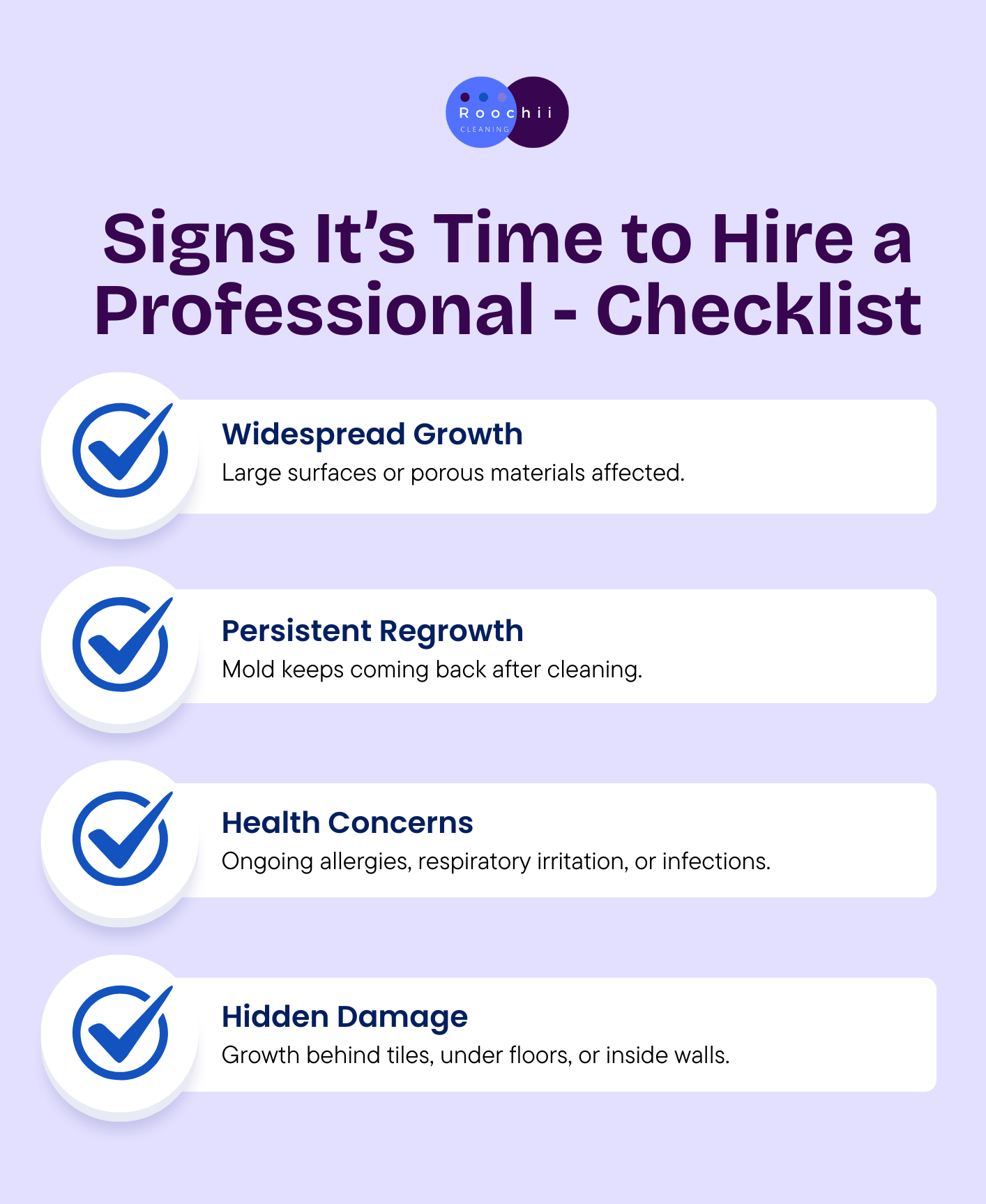
- Widespread contamination that covers large surfaces, especially porous materials like drywall or wood.
- Persistent regrowth even after thorough cleaning, suggesting hidden moisture sources.
- Health concerns such as persistent respiratory irritation, allergic reactions, or infections that may be linked to mold or bacteria exposure.
Hidden damage. Pink mold sometimes grows behind tiles, under flooring, or inside walls, making it difficult to fully remove without specialized tools.
At Roochii Cleaning Denver, it’s our goal to make sure our clients never have to deal with recurring mold problems. We recently helped a client struggling with pink mold. Despite their best efforts, the mold kept coming back and spreading along the grout and shower corners.
Our team stepped in with a deep, detail-oriented cleaning approach that targeted hidden buildup most people miss. Today, that client enjoys a clean, fresh bathroom without the constant battle against pink mold.
Final Note: Ensuring a Living Environment Without Pink Mold
Pink mold might not technically be mold, but it can be just as stubborn when it takes root in your home. Understanding what causes it, how to remove it effectively, and how to prevent it from coming back is key to keeping your space healthy and fresh.
The most effective approach is a mix of good habits and targeted cleaning. Stay consistent with moisture control, ventilation, and surface cleaning, and you’ll drastically reduce the chances of pink mold making an appearance.
A mold-free home is about creating a safe, comfortable environment for you and your family to thrive.