Skip to content

Shocking Truth About Pink Mold on Wall & How to Erase It Fast
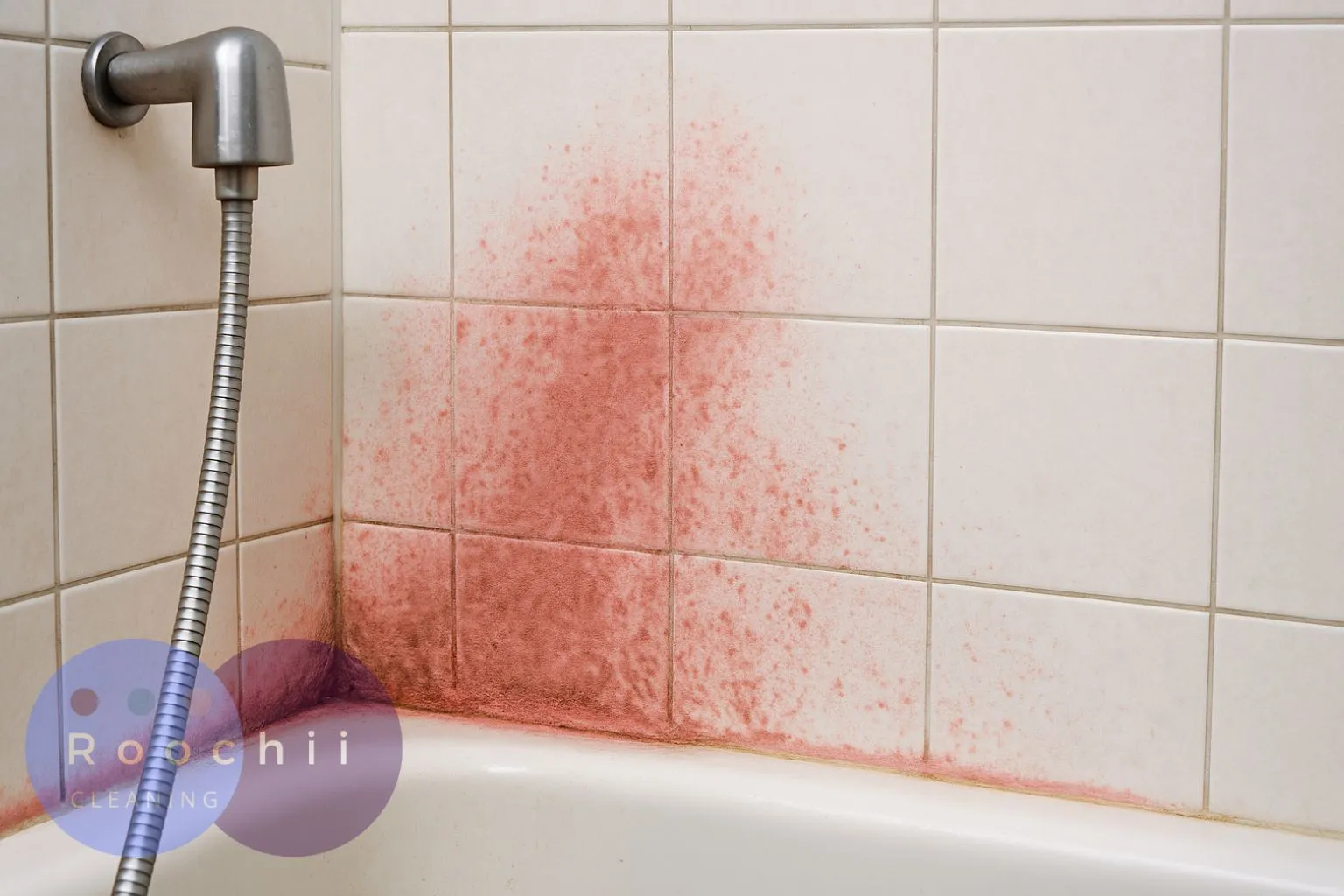
Quick & Effective Ways to Clean Pink Mold on Wall
To clean pink mold on a wall, scrub the affected area with white vinegar or hydrogen peroxide, rinse thoroughly, and dry completely.
That’s your quick fix. But if only cleaning and getting rid pink mold on wall were that simple. While it may look like cotton candy took a wrong turn and died behind your toilet, this intruder is a real problem. Beyond being gross, pink mold can pose health risks and slowly degrade your home if left unchecked.
In this guide, we’ll show you exactly what pink mold on wall is, why it’s showing up in your home (and probably judging your cleaning habits), how to get rid of it using simple methods, and how to keep it from ever coming back. Grab your gloves. Let’s deal with this pink menace once and for all.
Table of Contents
What Is Pink Mold and Why It’s Growing on Your Walls
Despite the name, pink mold isn’t really mold in the scientific sense. It’s usually a type of airborne bacteria that happens to love moist, dark places. Your bathroom walls, shower tiles, and that neglected corner behind the toilet? Five-star real estate in the pink mold world.
Here’s what makes pink mold unique:
- It’s actually bacteria, not true mold – Most commonly Serratia marcescens, which thrives in damp, soapy environments.
- Its pink color comes from a pigment – The reddish-pink hue is a metabolic byproduct of the bacteria’s growth.
- It was once confused for blood – In medieval times, its appearance was mistaken for miraculous bleeding on church walls.
- It spreads differently than black mold – Pink mold is slimier, more surface-oriented, and prefers soap residue and water-rich zones.
- Common hiding spots include grout, caulking, and painted drywall – Especially where water collects and airflow is poor.
This slippery invader may look less scary than black mold, but don’t let its pastel shade lull you into complacency.
Typical Indoor Areas Where Pink Mold Thrives in Homes
If your home has any spot that regularly combines humidity, warmth, and poor ventilation, congratulations, you’ve created a pink mold paradise. Bathrooms are the usual crime scene, but kitchens, basements, and laundry rooms also rank high on the pink mold leaderboard.
Here’s a shortlist of the mold’s favorite hideouts:
| Location | Why It’s a Problem |
| Shower area | Steam, soap scum, and water create a perfect breeding ground on shower walls, curtains, and different parts of the shower. |
| Bathroom Ceilings | Due to moisture, bathroom ceilings are prone to condensation and poor ventilation |
| Toilet Tanks & Under Lids | Often overlooked during cleaning, remains damp |
| Window Sills | Traps moisture from condensation |
Why Pink Mold on Wall Is a Serious Problem
Health Risks You May Face From Pink Mold Exposure
You might think pink mold looks like the least intimidating member of the mold family, like the Barbie of biological hazards. But don’t let the pastel hue fool you. Pink mold can mess with your health in sneaky ways.
Here are some of the common health risks linked to pink mold exposure:
- Respiratory Problems – Sinus infections, sneezing, coughing, wheezing, and exacerbated asthma.
- Urinary Tract Infections (UTIs) – Serratia marcescens can cause UTIs, especially if exposure is prolonged in damp, contaminated environments.
- Wound Infections – People with cuts, scrapes, or healing surgical wounds are more vulnerable to bacterial complications.
- Eye Infections – Including pink eye (conjunctivitis), especially if exposed during cleaning or in high-moisture areas.
If the idea of your bathroom walls causing bladder infections and pinkeye wasn’t weird enough, consider that all of this can happen quietly without you even realizing that mold is the root of the issue.
How Pink Mold Can Ruin Wall Surfaces and Home Aesthetics
Let’s switch from the biohazards to the home renovation nightmares.
Pink mold doesn’t just sit there politely on the surface: it burrows. It penetrates porous materials like drywall, paint, wallpaper glue, and grout. By the time you see those pink blotches, it’s already moved in, kicked off its shoes, and invited friends.
Here’s how pink mold can wreck your walls and home:
- Discoloration and Staining – The pink hue can permanently stain paint, tiles, and grout.
- Wall and Paint Damage – It can cause bubbling, warping, or flaking of paint, and deterioration of drywall.
- Hidden Water Damage – The presence of mold often signals underlying moisture issues that can lead to rot or structural instability.
- Grout Infestation – Mold becomes embedded in grout lines, making it extremely difficult to clean and often necessitating replacement.
- Musty Odors – The bacteria release a damp, earthy smell that lingers in fabric, air, and walls, regardless of how much air freshener you use.
Ignoring pink mold doesn’t just affect your health; it’s a hit to your home’s value and visual appeal. Left unchecked, what started as a few patches can turn into a full-blown repair bill and a serious design buzzkill.
How to Remove Pink Mold on Wall Effectively
A. Tools and Products That Help Remove Pink Mold on Wall Successfully
No matter how strong your cleaner is, using the right tools can make or break your mold battle. Here’s a curated shortlist:
- Scrub Brushes with Stiff Bristles – Ideal for grout lines and textured walls.
- Spray Bottles with Adjustable Nozzles – For even application of vinegar, peroxide, or tea tree oil solutions.
- Protective Gear – Gloves, N95 masks, and goggles protect you from spores and chemical exposure.
- Microfiber Cloths – Trap particles without spreading spores around.
- HEPA Vacuum – For removing mold debris and filtering air in mold-prone rooms.
B. DIY Cleaning Methods for Pink Mold on Wall Using Common Household Ingredients
Ready to go full Ghostbuster on your walls? Good. But you won’t need any proton packs; just some common household heroes like vinegar, baking soda, and hydrogen peroxide.
Here’s how to fight back against pink mold without accidentally making things worse:
1. Vinegar and Water Solution
- Mix equal parts white vinegar and warm water in a spray bottle.
- Spray generously on affected areas.
- Let it sit for 10–15 minutes (this is the part where you pretend it’s doing something magical).
- Scrub with a brush or sponge. Rinse with clean water.
Vinegar is mildly acidic and effective at killing bacteria. But fair warning: your bathroom will smell like a failed pickling experiment for a while.
2. Baking Soda Paste
- Mix ¼ cup of baking soda with just enough water to form a thick paste.
- Apply directly to the pink mold.
- Scrub with a stiff brush.
- Rinse and wipe the area dry.
Bonus: Baking soda is non-toxic and gentle on surfaces, but still packs a punch when it comes to mild abrasives.
3. Hydrogen Peroxide Spray
- Use a 3% hydrogen peroxide solution (don’t dilute it).
- Spray the affected area liberally.
- Let it sit for at least 10 minutes.
- Scrub and rinse.
Hydrogen peroxide can kill bacteria, fungi, and viruses, making it a triple threat. But keep it away from colored surfaces unless you’re okay with accidental bleaching.
4. Tea Tree Oil for Natural Mold Defense
- Add one teaspoon of tea tree oil to one cup of water in a spray bottle.
- Spray, let sit, and wipe. No rinsing necessary.
Although tea tree oil smells like a wellness influencer’s cabinet, but it’s naturally antifungal and a good follow-up after you’ve scrubbed the pink away.
When to Hire a Professional Mold Cleaning or Remediation Service
There comes a point when DIY turns into “Why did I do that?” If pink mold keeps coming back, spreads across large areas, or sinks into porous materials like drywall, it’s time to bring in the pros.
| When You Do Need a Professional | When You Don’t Need a Professional |
| The mold covers a large area (10+ square feet) | The pink mold covers a small area (under 10 square feet) |
| You see recurring leaks or persistent dampness | It’s growing on non-porous surfaces like tile or glass |
| Mold has penetrated drywall, wood, or wallpaper | There’s no sign of ongoing leaks or moisture problems |
| Someone in the home has respiratory issues or immune concerns | No one in your household has allergies or compromised immunity |
Roochii Cleaning’s Denver cleaning team uses commercial-grade disinfectants, HEPA vacuums, and moisture detection tools that get to the root of the problem. Sure, it costs more than a bottle of vinegar, but it can save you thousands in structural repairs and medical bills if left unchecked.
How to Prevent Pink Mold on Wall From Coming Back
A. Moisture Control Strategies for Mold-Prone Areas
If pink mold had a favorite love language, it’d be moisture. It thrives on it, spreads because of it, and without it, it simply can’t survive. So if you’re serious about breaking up with it, moisture control is your first move.
Improve Airflow With Ventilation and Exhaust Fans
If your bathroom fogs up after every shower and takes an hour to clear, you’re practically inviting pink mold to Airbnb your walls. A quality bathroom exhaust fan can help:
- Removes excess humidity and steam
- Improves airflow and reduces condensation
- Should vent outside, not into the attic
Use Dehumidifiers to Keep Humidity in Check
For basements, laundry rooms, or older bathrooms with poor airflow, a dehumidifier is a mold-busting MVP:
- Ideal humidity: 30–50%
- Mold starts thriving above 60%
- Choose one with an auto-drain or humidity sensor for easy use
Small Habits That Help Keep Surfaces Dry Every Day
Little habits go a long way in keeping mold from making a comeback. Be sure to:
- Fix leaks promptly (don’t wait for it to “fix itself”)
- Use mildew-resistant paint in high-moisture rooms
- Keep shower doors and curtains open after use to dry out
- Wipe down wet surfaces like tiles, counters, and windowsills.
B. Daily Cleaning Habits That Stop Mold Before It Starts
Even with humidity under control, pink mold is opportunistic. The smallest bad habit can undo all your hard work. So let’s clean up (literally) your daily routines.
Here are some high-impact habits to adopt:
- Dry your walls: After showers, use a squeegee or towel to wipe down walls and tiles. Yes, it feels extra. Yes, it works.
- Disinfect regularly: Use an antibacterial spray or vinegar solution on high-risk surfaces like bathroom walls, toilet tanks, and window sills—especially if you’ve had mold before.
- Keep products off surfaces: Shampoo bottles, loofahs, and soap dishes collect water underneath and become mold magnets. Store them on racks that allow drainage.
- Leave the door open: Ventilate after showers by keeping the bathroom door ajar. Mold likes tight, steamy spaces. Don’t let it have them.
One more pro tip: don’t just clean what you see. Clean behind, under, and inside things. Mold hides better than your teenager during chores.
Final Thoughts: Stop the Pink Mold Problem for Good
From respiratory issues and infections to structural wall damage and weird smells that defy logic, pink mold on wall isn’t something you want to ignore (or pretend is “just a stain”).
The good news? With the right mix of vinegar, vigilance, and ventilation, you can banish pink mold and keep it from staging a comeback tour. Whether you DIY your way through with baking soda and elbow grease, or call in the pros for the big battles, every action you take now prevents bigger issues later.
Mold doesn’t care how stylish your bathroom tile is—but you should. Now go give those walls the breakup text they deserve.
FAQ
Frequently Asked Questions About Pink Mold on Wall
It’s rare, but possible. Pink mold prefers warm, humid conditions, but it can survive in cooler areas if there’s consistent moisture—like a cold, damp basement with poor airflow or condensation-prone windows.
Most general-purpose cleaners won't prevent pink mold unless they have antibacterial properties. To deter future growth, use cleaners labeled specifically for mold and mildew or regularly spray problem areas with white vinegar or tea tree oil.
Yes, if left untreated. Pink mold can stain fabrics like towels, shower curtains, and even bath towels and mats. It often appears in folds or damp corners and is difficult to remove once it sets in. Machine wash with hot water and vinegar to combat it early.
It can be. While it often appears from surface moisture, persistent pink mold may signal hidden leaks or poor drainage—especially if it keeps showing up on the same wall. If cleaning doesn’t help, consider checking behind the wall or under the floor.
Yes, to a degree. High-efficiency air purifiers with HEPA filters can trap airborne bacteria and spores, reducing the chances of pink mold spreading. However, they’re not a substitute for fixing humidity or cleaning the source.