Which Cleaning Products Are Toxic? 7 Common Household Risks Explained
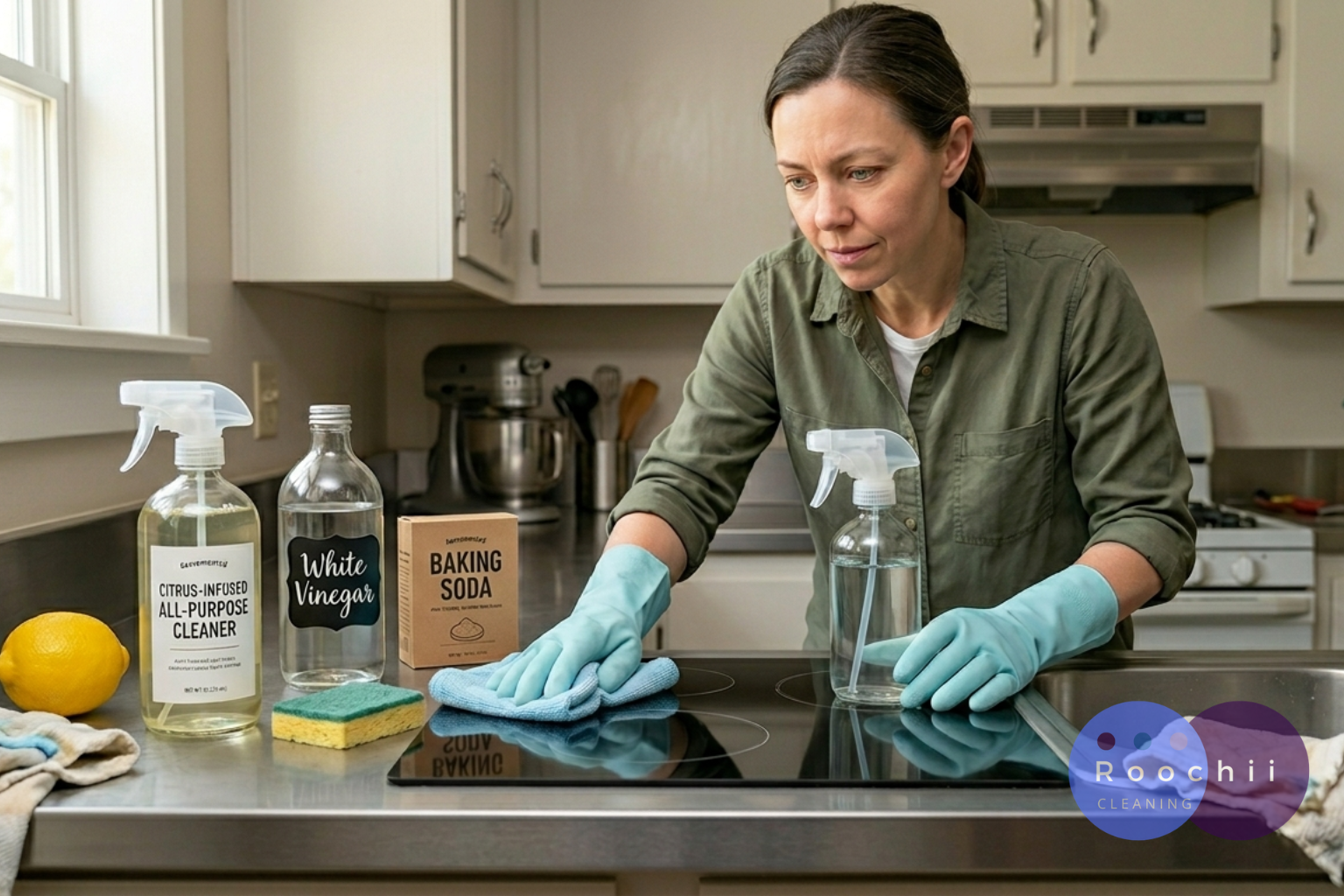
which cleaning products are toxic – person using non toxic cleaning alternatives like vinegar and baking soda for safe home cleaning

Understanding Which Cleaning Products Are Toxic

A clean home should feel refreshing, not questionable. Yet many people still ask which cleaning products are toxic and whether the products they use every day could affect their health. After all, a surface can look clean while the air around it tells a different story.

In toxicology, the key idea is that the dose makes the poison, meaning a substance becomes harmful depending on how much exposure occurs and how often it happens, not simply because a chemical is present. In other words, the concern is not just what’s in a product, but how it’s used and how often it’s used indoors.

Cleaning products can enter the body in several ways. The most common is inhalation, where fumes or spray particles are breathed in during use. Skin contact and accidental ingestion from residue are also possible, especially in enclosed spaces where chemical vapors can linger longer than expected.

Certain factors increase risk, including poor ventilation, frequent use, high-concentration formulas, and exposure among sensitive groups such as children, pets, and pregnant individuals. These factors explain why some cleaning products may pose greater risks than others, even when used as directed.

Understanding which cleaning products are toxic can help you reduce unnecessary exposure while still maintaining a clean and comfortable home. Below, you’ll find a clear breakdown of the products, ingredients, and habits that matter most.

Table of Contents 

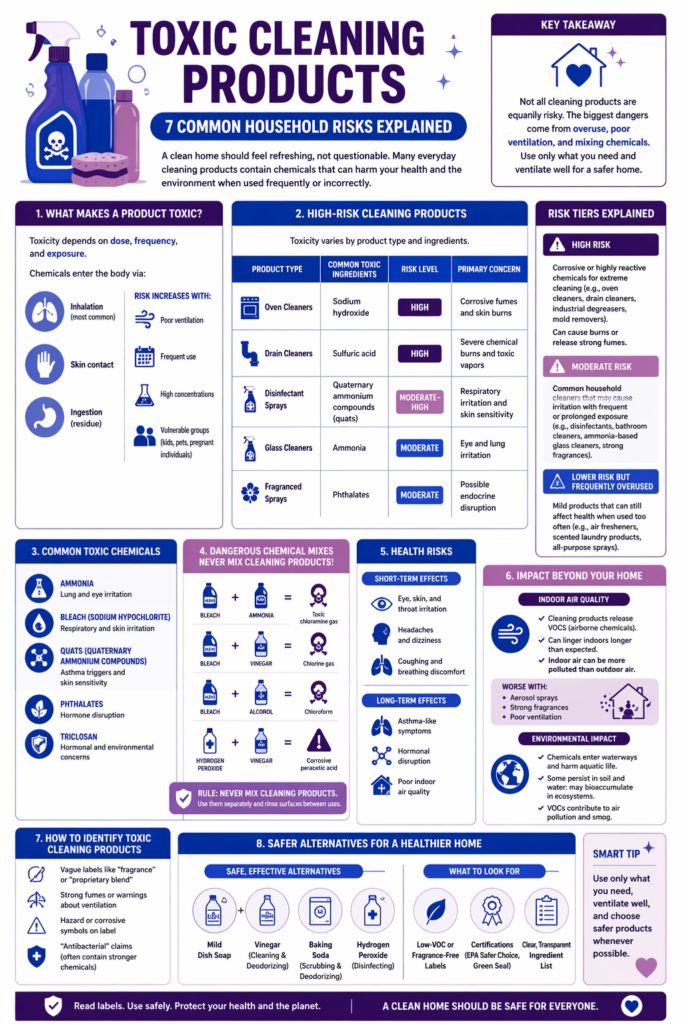
which cleaning products are toxic infographic showing household cleaning risks, toxic chemicals, dangerous mixes, and safer alternatives

Which Cleaning Products Are Toxic? 

Many people assume that if a cleaning product is sold in stores, it must be safe to use at home. Unfortunately, that assumption isn’t always accurate. Various studies show that many widely available household cleaners contain chemical ingredients that can irritate the lungs, trigger headaches or dizziness, aggravate asthma, disrupt hormones, or contribute to long-term health concerns when exposure happens repeatedly over time.

The concern is not just the presence of these chemicals, but how often they’re used indoors, where ventilation may be limited and airborne compounds can accumulate.

The most commonly discussed toxic cleaning products tend to fall into categories designed for heavy-duty cleaning or strong disinfection. These formulas often rely on highly reactive chemicals that work quickly but can also increase the risk of irritation or injury when misused or overused.

Common Cleaning Products With Higher Toxic Potential  

Product Type

Common Toxic Ingredients

Risk Level

Primary Concern

Oven Cleaners

Sodium hydroxide

High

Corrosive fumes and skin burns

Drain Cleaners

Sulfuric acid

High

Severe chemical burns and toxic vapors

Disinfectant Sprays

Quaternary ammonium compounds (quats)

Moderate–High

Respiratory irritation and skin sensitivity

Glass Cleaners

Ammonia

Moderate

Eye and lung irritation

Fragranced Sprays

Phthalates

Moderate

Possible endocrine disruption

 These categories show why toxicity varies between products. Highly concentrated chemicals designed to dissolve grease, disinfect surfaces, or clear clogs often pose the greatest risks if inhaled or used improperly.

Risk Tiers of Household Cleaning Products 

Not all cleaners present the same level of concern. Understanding risk tiers can help clarify which products require extra caution.

High-Risk Products 

These products often contain corrosive or highly reactive chemicals designed for extreme cleaning tasks.

Examples include:

  • Oven cleaners
  • Drain cleaners
  • Industrial-strength degreasers
  • Certain mold removers

These formulas may release strong fumes or cause burns if they contact the skin. They should always be used with good ventilation and protective equipment such as gloves.

Moderate-Risk Products 

Moderate-risk cleaners are common in everyday households and are generally safe when used as directed, but frequent or prolonged exposure may still cause irritation.

Examples include:

  • Disinfectant sprays and wipes
  • Bathroom cleaners
  • Glass cleaners containing ammonia
  • Products with strong synthetic fragrances

These cleaners may release volatile compounds that linger in the air, potentially affecting indoor air quality.

Lower-Risk but Frequently Overused Products 

Some products are considered relatively mild yet become problematic when used excessively indoors.

Examples include:

  • Air fresheners and fragranced sprays
  • Scented laundry products
  • All-purpose cleaning sprays

The primary concern here isn’t acute toxicity but long-term indoor exposure to fragrance chemicals and airborne particles.

Why Strong Smells Aren’t the Real Problem 

What makes many conventional cleaning products risky isn’t just their strong or “chemical” scent, although overpowering odors are often a warning sign.

The bigger concern lies in the ingredients themselves and how often these products are used indoors.

Many conventional cleaners release airborne compounds that can linger long after application, especially in homes with limited ventilation. Over time, repeated indoor exposure can impact air quality and increase the risk of respiratory irritation and other health issues.

Common Toxic Chemicals Found in Cleaning Products

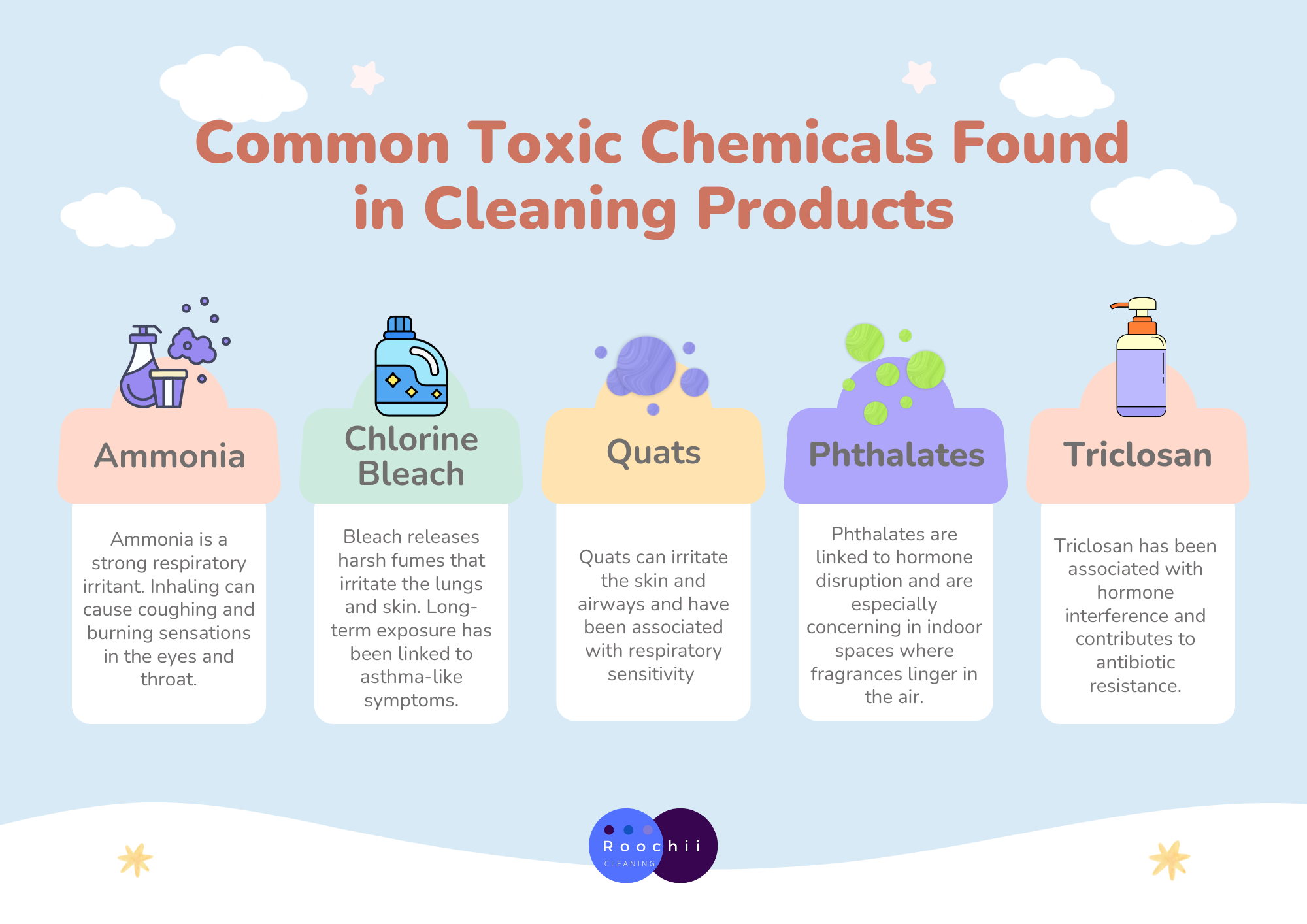
which cleaning products are toxic – common toxic chemicals in cleaning products including ammonia, bleach, quats, phthalates, and triclosan

Certain chemical ingredients appear frequently in household cleaners associated with higher toxicity or contamination concerns. However, the level of risk depends heavily on concentration, frequency of use, and the conditions of exposure.

The highest exposure typically occurs during active cleaning, especially when products are sprayed, mixed, or used in poorly ventilated areas such as bathrooms and kitchens. Understanding what these chemicals do and where they’re found helps clarify when they may pose risks.

A. Ammonia 

What it does: Ammonia is commonly found in glass and surface cleaners. It can irritate the eyes and lungs, especially when used in poorly ventilated areas or mixed with bleach.

Where it’s found: It commonly appears in glass cleaners, floor cleaners, and some all-purpose sprays.

Primary health concern: Ammonia vapors can irritate the eyes, throat, and respiratory system, particularly when inhaled in confined spaces.

Risk conditions: Risk increases when ammonia-based products are used in poorly ventilated areas or mixed with other chemicals, especially chlorine bleach, which can create toxic gases.

B. Chlorine bleach (sodium hypochlorite) 

What it does: Bleach is a strong disinfectant and whitening agent that kills bacteria, viruses, and mold.

Where it’s found: It is commonly used in bathroom cleaners, disinfecting solutions, laundry products, and mold removers.

Primary health concern: Bleach fumes can irritate the lungs, skin, and eyes, and frequent exposure has been associated with respiratory symptoms in some studies.

Risk conditions: Exposure risk increases when bleach is used in high concentrations, sprayed into the air, or mixed with other cleaning chemicals such as ammonia or acids.

C. Quaternary ammonium compounds (quats) 

What they do: Quats are antimicrobial agents designed to kill bacteria and viruses on surfaces.

Where they’re found: They are widely used in disinfectant sprays, wipes, and sanitizing cleaners.

Primary health concern: Studies have linked quats to respiratory irritation and skin sensitization, particularly with repeated exposure.

Risk conditions: Risk tends to be higher for people who use disinfectants frequently or work in environments with regular antimicrobial cleaning routines.

D. Phthalates 

What they do: Phthalates are chemicals used to stabilize and extend the scent of fragrances in products.

Where they’re found: They often appear in air fresheners, scented cleaners, laundry products, and fragranced sprays, sometimes listed simply as “fragrance.”

Primary health concern: Some phthalates have been associated with endocrine system disruption, which can affect hormone regulation.

Risk conditions: Exposure is most likely through inhalation of fragranced sprays or long-term indoor air accumulation in poorly ventilated spaces.

E. Triclosan 

What it does: Triclosan is an antibacterial compound originally developed to prevent microbial growth on surfaces.

Where it’s found: It was previously common in antibacterial soaps, disinfecting products, and some cleaning agents, though its use has declined in recent years.

Primary health concern: Research has linked triclosan to hormonal interference and environmental persistence, raising concerns about long-term ecological impact.

Risk conditions: Most household exposure occurs through repeated contact with antibacterial products, although regulatory restrictions have reduced their presence in many consumer goods.

These product categories often contain specific chemical ingredients that contribute to their effectiveness and potential risks. Understanding those ingredients provides a clearer picture of how toxicity occurs. 

Cleaning Products That Are Dangerous to Mix 

If there were a Hall of Fame for cleaning mistakes, mixing the wrong products would be a top contender.

Mixing cleaning products, even ones that seem harmless on their own, can create dangerous chemical reactions. Some combinations can create toxic gases within seconds, even in small amounts. These reactions happen because different chemicals interact at the molecular level, creating entirely new compounds. Even small amounts can quickly fill a room with fumes that irritate the eyes, lungs, and skin.

Below are some of the most common and hazardous cleaning product combinations to avoid:

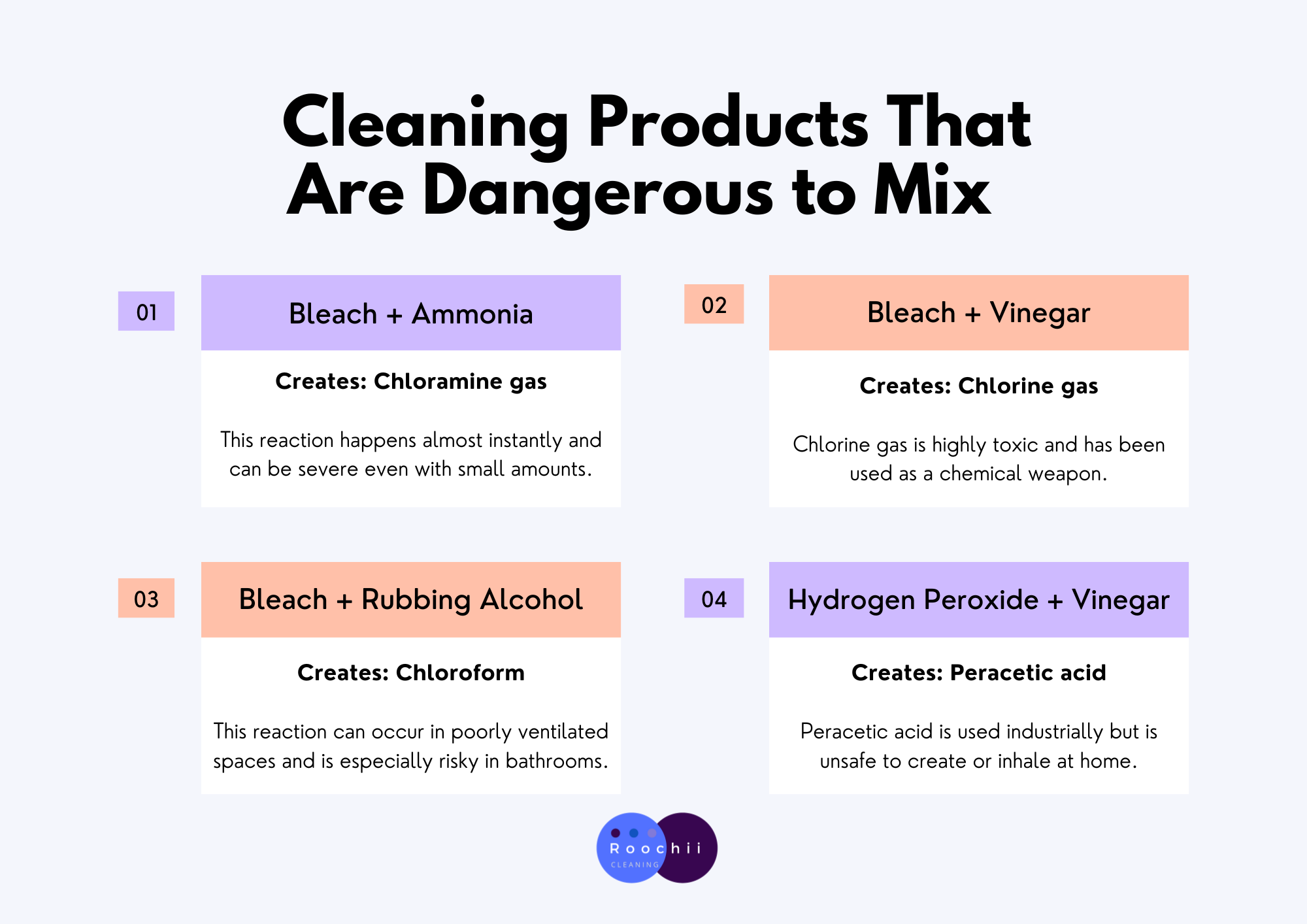
which cleaning products are toxic – dangerous cleaning products to mix including bleach and ammonia, bleach and vinegar, and other harmful chemical combinations

1. Bleach + Ammonia 

This combination produces chloramine gas, which can irritate the eyes, throat, and lungs almost immediately.

Exposure may cause chest pain, coughing, shortness of breath, nausea, and, in severe cases, chemical burns to the respiratory tract.

2. Bleach + Vinegar 

Mixing bleach with vinegar releases chlorine gas. Even at low levels, chlorine gas can cause burning sensations in the eyes and lungs, breathing difficulty, and throat irritation. This is the same gas historically used as a chemical weapon, so it’s definitely not something you want circulating through your home.

3. Bleach + Rubbing Alcohol 

This reaction creates chloroform, a compound that can cause dizziness, headaches, nausea, and loss of consciousness with sufficient exposure.

In poorly ventilated areas, even brief exposure can be dangerous.

4. Hydrogen Peroxide + Vinegar (in the same container) 

When hydrogen peroxide and vinegar are combined, they form peracetic acid, a corrosive chemical that can irritate the skin, eyes, and lungs. While used in controlled industrial settings, it is unsafe for household mixing and can damage surfaces as well as airways.

A simple rule of thumb: if a product label says “do not mix,” take it seriously. Household cleaners are designed to be used alone, and mixing them can lead to unintended and hazardous reactions.

What to Do If Cleaning Products Are Accidentally Mixed 

If you suspect that two incompatible cleaners have been mixed, act quickly but calmly:

  • Leave the area immediately to avoid breathing in fumes.
  • Open windows and increase ventilation if it can be done safely.
  • Avoid trying to neutralize the mixture with another product.
  • Rinse the area with plenty of water only if the fumes have cleared and it is safe to return.
  • If symptoms like coughing, dizziness, or breathing difficulty occur, seek fresh air and contact poison control or medical assistance.

The safest approach is simple: never mix cleaning products unless the label specifically says it is safe. Using one cleaner at a time and allowing surfaces to be rinsed between products can prevent dangerous chemical reactions and keep your cleaning routine safe.

Even when products are used separately, residues left on surfaces can still react. Rinsing surfaces and allowing time between applications reduces this risk.

Health Risks of Toxic Cleaning Products

Household cleaning products are designed to remove dirt, grease, and germs, but some formulas contain chemicals that may affect health when exposure is frequent or occurs in poorly ventilated spaces. While occasional use rarely causes serious problems, repeated exposure to certain chemicals may lead to short-term irritation or longer-term health concerns.

Short-Term Health Effects 

Short-term effects are the most common reactions to cleaning chemicals and typically occur during or shortly after use, especially when products release strong fumes or are used in enclosed areas.

Possible short-term symptoms include:

  • Eye irritation: Vapors from cleaners containing ammonia, bleach, or solvents can irritate the eyes and cause watering or redness.
  • Coughing and throat irritation: Aerosol sprays and disinfectants may irritate the respiratory tract.
  • Dizziness or headaches: Strong chemical odors and airborne compounds can trigger headaches or lightheadedness, particularly in poorly ventilated rooms.
  • Skin reactions: Direct contact with certain cleaners may lead to dryness, redness, or mild chemical irritation.

These effects often improve once exposure stops, but they can signal that ventilation or product choice may need adjustment.

Long-Term Exposure Risks 

Repeated exposure to certain cleaning chemicals over months or years may contribute to broader health concerns. These risks are typically associated with chronic indoor exposure rather than occasional use.

Potential long-term concerns include:

  • Asthma-like respiratory symptoms: Some disinfectants and strong cleaners have been linked to increased respiratory irritation among frequent users.
  • Hormonal disruption: Ingredients such as phthalates and triclosan have been studied for their potential effects on the endocrine system.
  • Indoor air quality degradation: Frequent use of fragranced sprays and aerosol cleaners may release compounds that linger in indoor air.

While these risks vary depending on individual sensitivity and exposure levels, reducing unnecessary chemical buildup indoors can help support healthier indoor environments.

Pregnancy and Sensitive Populations 

Certain groups may be more sensitive to cleaning chemicals, including pregnant individuals, children, pets, and people with asthma or allergies. During pregnancy in particular, sensitivity to odors and airborne chemicals often increases.

Key precautions include:

  • Improving ventilation when using cleaning products
  • Choosing fragrance-free or lower-toxicity cleaners whenever possible
  • Avoiding unnecessary exposure to strong disinfectants or solvent-heavy products
  • Limiting aerosol sprays in small indoor spaces

These precautions don’t mean cleaning should stop. Instead, they emphasize using safer products, improving airflow, and reducing exposure to harsh chemicals whenever possible.

How Cleaning Products Affect Indoor Air Quality  

Cleaning products don’t just affect the surfaces they’re used on. They can also influence the quality of the air inside your home. Many household cleaners release small amounts of airborne chemicals during and after use. In enclosed spaces, these compounds can linger, affecting indoor air quality long after the visible cleaning is finished.

One of the main contributors to this effect is a group of chemicals known as volatile organic compounds (VOCs).

Volatile organic compounds are chemicals that evaporate easily at room temperature. This means they can quickly become airborne during cleaning.

VOCs are commonly released from:

  • Disinfectant sprays
  • Air fresheners
  • Glass and surface cleaners
  • Solvent-based degreasers
  • Fragranced cleaning products

At low levels, these compounds may only cause mild irritation for some people. However, higher concentrations or frequent exposure can contribute to headaches, respiratory irritation, or reduced indoor air comfort, particularly for individuals with asthma or chemical sensitivities.

Why Indoor Air Can Be More Polluted Than Outdoor Air 

Many people assume that pollution is mainly an outdoor problem, but indoor environments can sometimes contain higher concentrations of airborne chemicals than the air outside.

This happens because homes are relatively enclosed spaces. When cleaning products release VOCs or other fumes, those chemicals may remain suspended indoors, especially if ventilation is limited. According to guidance from the U.S. Environmental Protection Agency (EPA), certain indoor pollutants can accumulate to levels that exceed outdoor concentrations.

In other words, repeated use of chemical cleaners inside the home can gradually contribute to the indoor air buildup of certain compounds.

The Role of Ventilation 

Ventilation plays a major role in determining how much impact cleaning products have on indoor air quality.

When windows are open or ventilation systems are running, airborne chemicals disperse more quickly. In contrast, cleaning in small, enclosed areas can allow vapors to concentrate in the air.

Situations that increase indoor exposure include:

  • Using aerosol sprays in small rooms
  • Cleaning frequently with strongly fragranced products
  • Running multiple cleaning products at the same time
  • Cleaning without opening windows or turning on exhaust fans

Improving ventilation during and after cleaning helps reduce the amount of time airborne chemicals remain indoors.

Long-Term Indoor Air Buildup 

Another factor to consider is cumulative exposure over time. Even when individual cleaning sessions release small amounts of chemicals, repeated use throughout the week can gradually contribute to indoor air buildup.

Over time, this repeated exposure can influence overall indoor air quality, especially in homes where cleaning products are used frequently or stored in open areas.

Reducing Indoor Air Impact 

Fortunately, simple habits can significantly reduce how cleaning products affect indoor air:

  • Ventilate rooms while cleaning by opening windows or using exhaust fans
  • Avoid unnecessary use of aerosol sprays or strong fragrances
  • Use the smallest effective amount of cleaning product
  • Choose lower-VOC or fragrance-free products for routine cleaning tasks

Understanding how cleaning products interact with indoor air helps connect the larger picture of household health. By managing ventilation and product selection, it’s possible to maintain a clean home without unnecessarily compromising indoor air quality.

How Are Cleaning Products Bad for the Environment 

The environmental impact of cleaning products doesn’t end when they’re rinsed down the sink or wiped off a surface. Many of the chemicals used in household cleaners eventually move through wastewater systems, waterways, soil, and even outdoor air, where they can continue affecting ecosystems long after use.

The same ingredients discussed earlier can contribute to environmental toxicity when they accumulate outside the home.

A. Impact on Water Systems 

After cleaning products are washed down drains, they enter municipal wastewater treatment systems. While treatment plants remove many contaminants, some chemical compounds are difficult to fully filter out. As a result, traces of surfactants, antimicrobial agents, and other cleaning chemicals can reach rivers, lakes, and coastal waters.

These substances can disrupt aquatic ecosystems by altering water chemistry or affecting sensitive organisms such as algae, fish, and aquatic plants. Certain antimicrobial ingredients, including compounds similar to those used in disinfectants, may also affect beneficial microorganisms that play a role in natural water purification.

B. Chemical Persistence in the Environment 

Some ingredients used in conventional cleaners are designed to be chemically stable so they remain effective during storage and use. However, this stability can also mean slow environmental breakdown once those chemicals enter water or soil.

When substances degrade slowly, they may persist in sediment, waterways, or soil for extended periods, increasing the likelihood that wildlife and ecosystems will be exposed over time.

C. Bioaccumulation in Ecosystems 

Certain chemical compounds can also contribute to bioaccumulation, a process where substances gradually build up in living organisms. When small aquatic organisms absorb these chemicals, they may pass them along the food chain to larger fish and animals.

D. Phosphate Runoff and Algae Blooms 

Some detergents and cleaning products historically contained phosphates, which can act as nutrients for algae.

Excess nutrients can trigger algal blooms, which consume oxygen in the water as they decompose. This process, known as eutrophication, can lead to oxygen depletion that harms fish and other aquatic life. Because of these impacts, many regions now restrict phosphate use in certain household detergents.

E. VOCs and Outdoor Air Pollution 

Volatile organic compounds (VOCs) released during cleaning don’t remain indoors indefinitely. Once ventilated outdoors, these airborne chemicals can contribute to ground-level ozone formation and urban smog, particularly in areas with heavy chemical emissions.

This link between indoor product use and outdoor air pollution shows how everyday cleaning activities can affect both indoor and environmental air quality.

How to Identify Toxic Cleaning Products in Your Home 

Most households already have a variety of cleaning products under the sink or in storage cabinets, but it’s not always obvious which ones may carry higher toxicity risks. Labels often focus on cleaning performance rather than clearly explaining potential exposure concerns. Learning how to quickly evaluate product labels and ingredient lists can help you identify cleaners that may affect indoor air quality or health.

Practical Checklist for Spotting Higher-Risk Cleaners 

Use the following checklist when reviewing cleaning products already in your home or when shopping for new ones.

1. Read the ingredient list carefully 

Transparent products typically list their ingredients clearly. Be cautious with products that hide ingredients behind vague terms such as “proprietary blend” or incomplete ingredient disclosures.

2. Avoid vague “fragrance” labeling 

Fragrance mixtures can contain dozens of different chemicals, and companies are not always required to list them individually. Products labeled simply as “fragrance” or “parfum” without additional information may contribute to indoor air irritation or VOC emissions.

3. Watch for high-VOC warnings 

Some cleaners release volatile organic compounds (VOCs) that evaporate into the air during use. Products that include warnings about strong fumes, ventilation requirements, or respiratory irritation may contain higher levels of these compounds.

4. Check for corrosive or hazard symbols 

Cleaning products with corrosive warnings, burn hazard labels, or strong chemical symbols usually contain ingredients such as strong acids, lye, or concentrated bleach. These products are often designed for heavy-duty tasks and should be handled with extra care.

5. Be cautious with unnecessary antibacterial claims 

Products labeled “antibacterial,” “antimicrobial,” or “disinfecting” often contain stronger chemical agents than standard cleaners. While useful in certain situations, these products are not always necessary for routine household cleaning.

6. Look for mixing warnings 

Many product labels warn against mixing with other cleaners. If a label specifically says “do not mix with bleach, ammonia, or other cleaning products,” it indicates the product may react dangerously when combined with certain chemicals.

Which Cleaning Products Are Non-Toxic and Safe? 
When people look for safer cleaning products, the term “non-toxic” often comes up. Non-toxic doesn’t mean ineffective. It means a product is formulated to clean effectively without relying on corrosive or hazardous chemicals that can negatively impact health or indoor air quality.

Non-toxic or lower-toxicity cleaners aim to clean effectively while reducing unnecessary exposure to harsh chemicals and airborne compounds. These products are often preferred for homes with children, pets, or individuals with respiratory sensitivities, where indoor air quality matters more.

What “Non-Toxic” Realistically Means 

In household cleaning, non-toxic generally refers to products that:

  • Avoid highly corrosive ingredients such as strong acids or lye
  • Use lower-toxicity surfactants and solvents to lift dirt and grease
  • Produce fewer volatile organic compounds (VOCs) that affect indoor air quality
  • Are formulated for regular use in enclosed indoor spaces

It’s important to understand that even safer products should still be used responsibly. Any cleaning agent can irritate if used in excessive amounts or without proper ventilation.

Certifications and Labels to Look For 

One way to identify safer products is by looking for third-party certifications or transparent labeling. These programs evaluate ingredients for human health and environmental impact.

Common indicators include:

  • EPA Safer Choice labels, which identify products meeting safer chemical standards
  • Green Seal certification, indicating reduced toxicity and environmental impact
  • EcoLogo or similar environmental certifications
  • Clear ingredient disclosure on the product label

Products that openly list ingredients and avoid vague terms like “proprietary blend” or generic “fragrance” tend to offer greater transparency and lower uncertainty about exposure risks.

Simple Ingredient Alternatives 

Many everyday cleaning tasks can be handled with simpler ingredients that have well-understood properties:

  • Mild dish soap: Effective for general surface cleaning and grease removal
  • Citric acid or vinegar solutions: Helpful for removing mineral buildup and soap residue
  • Baking soda: Provides gentle abrasion and helps neutralize odors
  • Hydrogen peroxide: Sometimes used for stain removal or mild disinfecting when applied properly

These ingredients work best for routine cleaning rather than heavy sanitation, but they can significantly reduce reliance on harsher chemicals.

The Role of Responsible Use 

Choosing safer cleaning products is only part of the equation. Using the correct amount and cleaning with proper ventilation can significantly reduce exposure to residues and airborne chemicals.

In many cases, using smaller amounts of a milder cleaner can achieve the same result as heavy use of stronger products. With the right approach, it’s possible to maintain an effective cleaning routine while keeping indoor environments healthier and more comfortable.


Conclusion: Choosing Safe Cleaning Products 

Choosing safer cleaning products is about making informed decisions. As we’ve seen, what makes a cleaning product toxic often depends on the type of ingredients, their concentration, how often the product is used, and how exposure occurs indoors.

Some categories carry higher risks than others. Oven cleaners, drain cleaners, and heavy-duty degreasers often contain corrosive chemicals that require careful handling. Others may cause irritation or affect indoor air quality when used frequently in poorly ventilated spaces.

Another key risk involves mixing cleaning products, particularly combinations like bleach and ammonia, which can produce dangerous fumes. Avoiding these mixtures and using products as directed greatly reduces the likelihood of harmful exposure.

At the same time, most household cleaners can be used safely when directions are followed and ventilation is adequate. The goal isn’t to eliminate every chemical, but to reduce unnecessary exposure and use stronger products only when needed.

Simple steps, such as improving ventilation, avoiding heavily fragranced sprays, and choosing gentler alternatives for routine cleaning, can make a noticeable difference over time.

A deeply clean home matters, but a healthy indoor environment matters even more. With a better understanding of which cleaning products are toxic and how they affect indoor air, it becomes easier to keep your home both clean and safe.

FAQ

FAQs About Toxic Cleaning Products

Leave a Reply

Your email address will not be published. Required fields are marked *