How to Clean Pink Mold in Shower: Quick and Effective Solutions

Can You Clean Pink Mold in Showers?
Wondering how to clean pink mold in your shower? Good news: yes, you can clean it yourself!
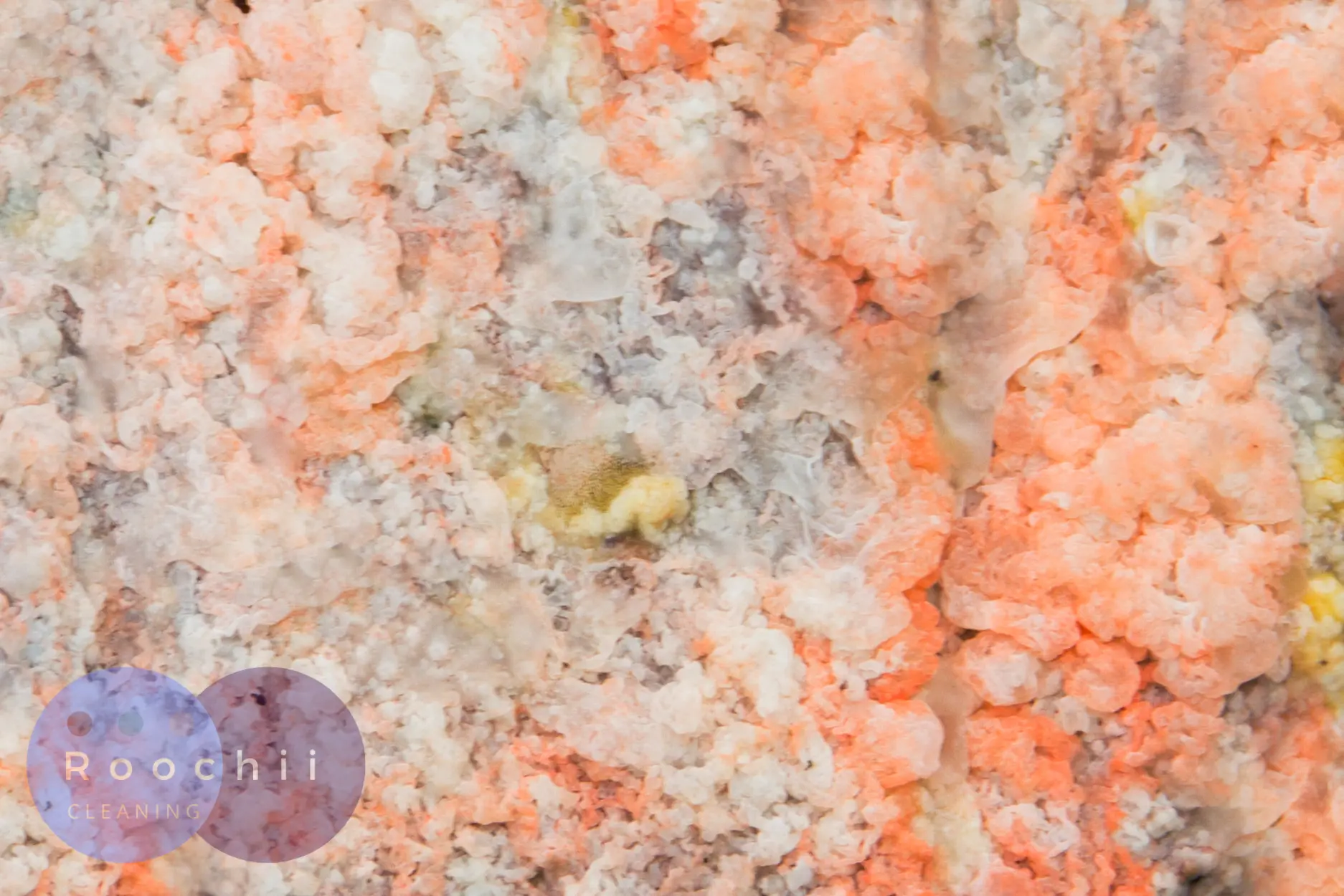
Pink mold is a common bathroom issue. It’s not really mold, but a type of bacteria that often appears as slimy pink or orange on shower curtains, grout lines, tile, or bathroom surfaces.
This pink mold can also be commonly seen around the base of your shower, on the grout, and even on your shower curtain. It can range in color from pale pink to deep red, depending on environmental conditions.
Not only is pink mold unsightly, but it can also make your bathroom feel less clean even if everything else is spotless. Its unusual color can be off-putting, which can be frustrating.
The good news is that cleaning pink mold isn’t a losing battle. The key lies in understanding why it forms and using the right tools and techniques to remove it thoroughly. With the proper techniques, you can remove pink mold effectively and keep it from coming back just as we’ve helped many homeowners throughout the years.In this article, you’ll learn:
- What Causes Pink Mold
- Health Implications of Pink Mold
- Tools and Products for Mold Removal
- How To Remove Pink Mold From Shower
- How to Prevent Pink Mold from Returning
What is Pink Mold?
Pink mold isn’t really mold. It’s an airborne bacterium called Serratia marcescens.
This bacteria loves environments that are damp and humid, where they can feed on organic materials like soap scum and shampoo residue. Although pink mold is not as concerning as black mold, it has the potential to cause problems if left unchecked.
Causes of Pink Mold
| Cause | Description | Findings |
| Moisture and Humidity | Humidity above 60% promotes bacterial growth. Moisture lingers in corners and grout. | University of Padova: RH >60% boosts bacterial growth. |
| Soap Scum and Organic Residue | Soap scum and body oils feed pink mold with fatty acids and organic matter. | Organic residues serve as food for pink mold. |
| Poor Ventilation | Poor airflow causes damp environments ideal for bacterial growth. | National Library of Medicine: Poor ventilation is a common bacterial trigger. |
| Infrequent Cleaning | Lack of regular cleaning allows pink mold to take hold and spread. | Daily buildup creates ideal conditions for bacteria. |
| Leaky Fixtures | Leaky fixtures create constant dampness, especially in grout lines and corners. | Even small leaks keep areas persistently wet. |
Showers are the perfect breeding ground for pink mold. Understanding the factors that contribute to the growth of pink mold is important if you want to prevent it.
Here’s a closer look at what makes pink mold thrive:
How High Humidity Encourages Pink Mold Growth
Research from the University of Padova states that relative humidity (RH) levels beyond the optimal 40-60% create a good condition for bacterial growth. Bathrooms, especially those without proper ventilation, usually have humidity levels beyond 60%. This moisture lingers in corners, grout, and around furniture, giving pink mold a constant water supply that makes them thrive.
The Role of Organic Residue in Pink Mold Growth
Soap scum, hair products, and body oils, which are common in bathrooms and showers, provide the nutrients pink mold needs to thrive. The fatty acids in these organic residues are what pink mold feeds off. These buildups often occur on shower curtains, where the combination of soap and moisture creates a perfect environment.
If you’ve ever noticed discoloration or a slimy film, that’s likely pink mold in action. You might also find it clinging to other moisture-prone surfaces, like inside a humidifier, where mineral deposits and residue can build up quickly if not cleaned regularly.
Why Proper Ventilation Matters in Preventing Pink Mold
According to research from the National Library of Medicine, poor ventilation is one of the most common triggers for bacteria buildup. Without proper airflow, moisture builds up, creating a damp environment ideal for bacteria. Since the moisture in a bathroom cannot be helped, it’s important to make sure that your bathrooms have proper ventilation.
Areas like the ceiling and walls are particularly vulnerable when steam lingers for too long, leading to not only pink mold but long-term damage. Improving airflow can dramatically reduce the risk of mold returning, especially in enclosed areas like the dishwasher, where warm, moist air gets trapped after cycles.
How Infrequent Cleaning Fuels Mold Growth
Neglecting regular cleaning allows pink mold to take hold and spread rapidly. Each day that soap scum and moisture are left to sit, the environment becomes more inviting for bacteria. A prime example is the toilet bowl, where a pink ring often appears when water sits undisturbed for too long. Skipping deep cleans or allowing damp areas to go untreated can also cause pink mold to flourish on inside appliances, or across hard-to-reach corners of your bathroom.
Estimated Impact of Pink Mold in Shower
| Impact Area | Effects | Severity | Prevention/Treatment |
| Health Risks | Can cause respiratory issues, infections, and skin irritations. | Moderate to High | Regular cleaning, improved ventilation, protective gear. |
| Bathroom Hygiene | Creates slimy biofilm, leading to unsanitary conditions and odors. | Moderate | Weekly scrubbing, vinegar or hydrogen peroxide disinfecting. |
| Tile & Grout Damage | Can weaken grout and stain surfaces if left untreated. | Low to Moderate | Sealing grout, drying surfaces, immediate mold removal. |
| Recurring Growth | Likely to return if not properly cleaned and prevented. | High | Using a squeegee, fixing leaks, keeping the bathroom dry. |
| Aesthetic Issues | Pink stains make the bathroom look dirty and unkempt. | Low to Moderate | Regular maintenance, mold-resistant shower curtains/liners. |
Health Implications of Pink Mold
Is pink mold in shower dangerous? Pink mold may not be as hazardous as black mold, but it can still be cause for concern. It can still pose health risks, especially for those with an already compromised immune system. Here are the health risks:
Respiratory Risks Linked to Pink Mold Exposure
Pink mold is a type of bacteria that can cause lung infections like pneumonia, especially in people who already have a weak immune system.
One case from a medical journal documented an immunocompromised patient who developed pneumonia due to S. marcescens. The patient acquired the infection outside the hospital, and then the patient presented with fever, cough, and shortness of breath. Initial antibiotic treatments were ineffective until lab tests confirmed the presence of S. marcescens. This case highlights that even outside hospital settings, pink mold exposure can lead to severe respiratory infections, especially in vulnerable individuals.
Additionally, inhaling bacteria from pink mold can worsen asthma, allergies, and other respiratory conditions.
How Pink Mold Can Cause Skin Irritation
Although it is less common, direct contact with pink mold can cause skin irritations, rashes, or infections, most especially if you have sensitive skin or open wounds. The bacteria can easily transfer to your skin, so it is crucial to wear personal protection when handling it.
Even if you’re not immunocompromised, skin issues can still happen. A notable example comes from a case reported by the Army General Hospital of Greece where a healthy, young soldier got a severe facial infection from S. marcescens. The case shows that certain bacteria can still pose significant risks even in healthy hosts. A robust immune system isn’t a guarantee against them.
Pink Mold’s Effect on Cleanliness and Odors
Aside from health risks, pink mold can negatively impact the cleanliness and overall hygiene of your bathroom. As the bacteria grow, they create a slimy biofilm that clings to surfaces, trapping moisture and dirt. This not only leads to unpleasant odors but can also degrade grout, tiles, and fixtures over time, making your shower harder to clean and less sanitary.
Fabrics aren’t immune either. Items like towels and bath mats, which stay damp for long periods, can develop mold deep within their fibers. If you’ve ever pulled a towel out of the laundry and it still smelled musty, it might already be affected.
Addressing pink mold right away not only protects your health but also ensures that you have a cleaner and fresher bathroom environment.
Tools and Products for Pink Mold Removal
Before tackling pink bacteria in shower, you should first have the right tools and products so you have a thorough and safe cleaning process. Proper preparation makes the job easier!
Here’s what you’ll need:
Protective Gear Needed for Pink Mold Removal
It is important to choose safer and eco-conscious products, like the Green Seal Certified products we use at Roochii Cleaning. Still, since you will be handling bacteria and may need to use stronger cleaning agents, wearing protective gear is important to keep you protected from potential exposure.
- Gloves: They will protect your hands from bacteria and harsh chemicals. Either rubber or disposable gloves will work well.
- Goggles: Splashes might happen, especially when working with harsh commercial cleaners. If you’re using only mild cleaners like vinegar, goggles may not be always necessary. But for stronger chemical-based cleaners, wearing eye protection is highly recommended.
- Mask: A mask prevents inhalation of airborne particles and fumes from the cleaning products.
Choosing the Right Scrub Brush for Pink Mold
Pink mold won’t go away by simply rinsing it off. There would be a lot of scrubbing involved, especially if the buildup has been there for a while.
- Toothbrush or Grout Brush: These are perfect for small, hard-to-reach areas like grout lines and shower corners.
- Scrub Sponge: If there are larger surfaces that need your attention, a scrub sponge is the perfect tool.
- Soft-Bristled Brush: Some surfaces are delicate and might be damaged with a thorough scrubbing. For such areas, use a soft-bristled brush to ensure that you won’t scratch the surface.
Best Cleaning Solutions for Pink Mold Removal
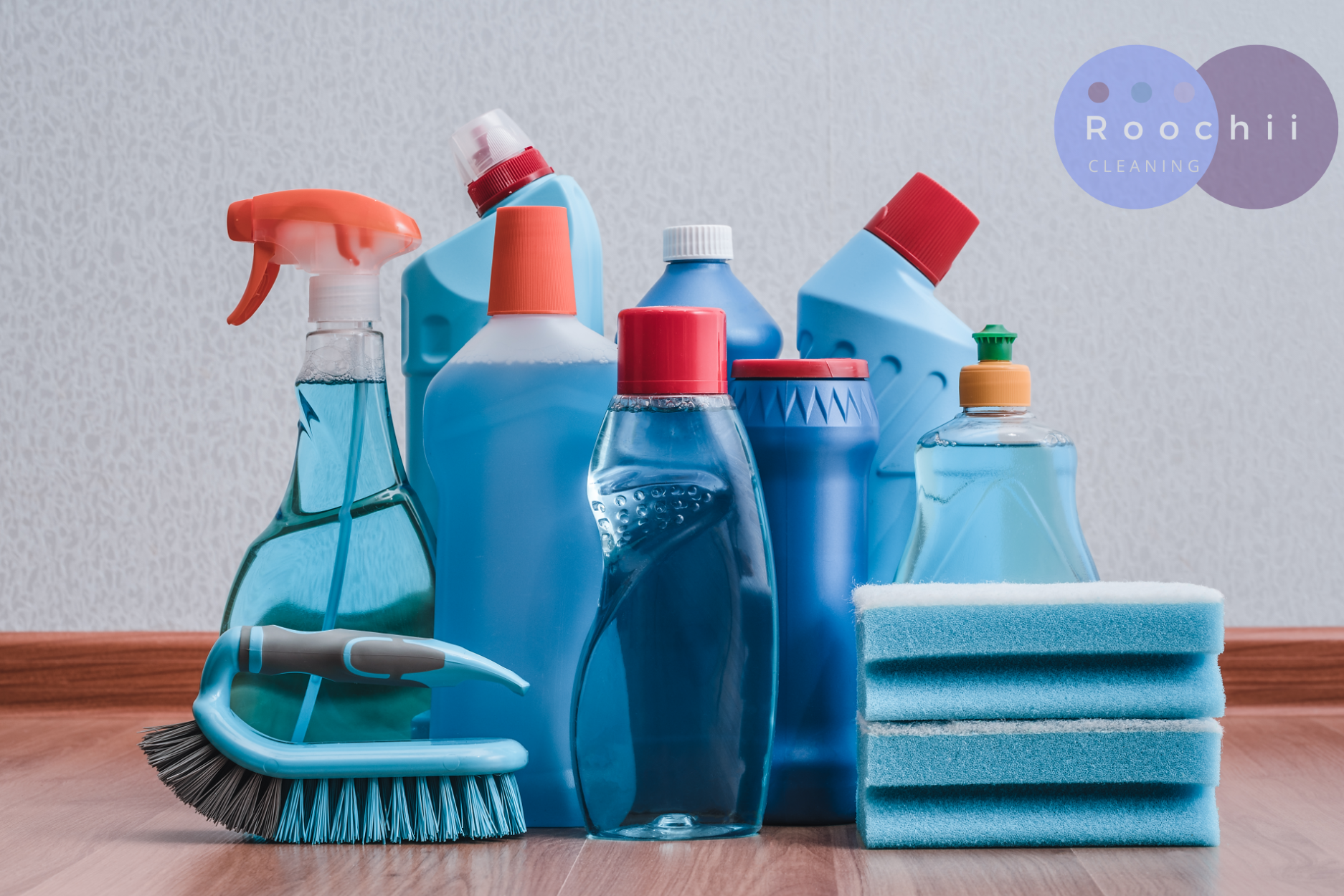
Different cleaning solutions work best for different levels of mold buildup. Here are some options:
- White Vinegar: Vinegar is a natural disinfectant that can kill bacteria and dissolve soap scum. Its acidic nature makes it effective against pink mold.
- Baking Soda: Baking soda acts as a mild abrasive that helps scrub away stubborn mold stains. Mix it with water or vinegar to form a paste for extra cleaning power.
- Hydrogen Peroxide: Hydrogen Peroxide is a stronger disinfectant that is proven to reduce mold levels, according to a 2020 study. It’s best used in a spray bottle at a concentration of 3%.
- Commercial Mold Cleaners: These are designed for severe mold infestations and areas with heavy pink mold buildup. One good option is Lysol’s Mold & Mildew Remover and Disinfectant Spray.
Using a Spray Bottle to Apply Pink Mold Cleaners
A spray bottle allows for the controlled application of your cleaning solution. This helps in giving even coverage in affected areas.
The Benefits of Using Microfiber for Pink Mold Removal
Once you’ve scrubbed away the pink mold, a microfiber cloth is perfect for wiping down surfaces. This is because microfiber traps bacteria and leaves surfaces streak-free.
An article from the University of Washington’s Department of Environmental & Occupational Health Sciences states that microfiber cloths are much finer than human hair, which allows them to penetrate microscopic crevices on surfaces, effectively capturing dust, dirt, and bacteria than other cleaning materials.
After cleaning, use a dry microfiber cloth to remove moisture and prevent mold regrowth.
Removing Pink Mold from Shower
Getting rid of pink mold in your shower requires more than a simple rinse. If you’re wondering how to get rid of pink mold in shower, the simple answer is to do a thorough cleaning process because it can return if not properly treated.
To ensure efficient and complete removal and prevent regrowth, follow these steps:
Step-by-Step Guide: How to Clean Pink Mold in Shower
1. Prepare the Area
- Remove all personal items, such as shampoo bottles and loofahs, shower curtains, and bath mats from the shower to prevent cross-contamination.
- Make sure that the bathroom is well-ventilated by turning on the exhaust fan and opening windows. Proper airflow helps reduce fumes from cleaning products and speeds up the drying process.
- Wear protective gear (gloves, goggles, and a mask) to avoid contact with the bacteria and any cleaning chemicals. The Centers for Disease Control and Prevention (CDC) recommends wearing at least an N95 respirator, non-latex gloves, and eye protection when cleaning moldy areas.
2. Apply a Cleaning Solution
Depending on the mold buildup in your shower, you will need different cleaning solutions:
- For light cases: Spray undiluted white vinegar directly on affected areas and let it sit for 10–15 minutes.
- For moderate buildup: Make a baking soda paste (mix with water) and apply it to the moldy spots, letting it sit for 15 minutes before scrubbing.
- For stubborn mold: Use hydrogen peroxide (3%), spraying it onto the mold and allowing it to sit for 10 minutes before scrubbing away.
- For severe infestations: A commercial mold remover or professional mold removal services may be necessary.
3. Scrub Away the Mold
- Use a grout brush, old toothbrush, or scrubbing sponge to target mold buildup, especially in grout lines, corners, and textured surfaces.
- Apply firm pressure while scrubbing to lift mold stains effectively.
- Pay special attention to grout lines, corners, and any textured surfaces where pink mold tends to cling.
Rinse and Dry Thoroughly
- Rinse the entire shower with warm water to wash away the loosened mold and cleaning solution. If any residue remains, repeat the cleaning process until the surface is spotless.
- After rinsing, thoroughly dry all surfaces using a microfiber cloth or towel.
4. Disinfect and Prevent Regrowth
- For added protection, spray the cleaned area with hydrogen peroxide or a disinfectant spray and let it air dry. This helps kill any remaining bacteria and slows down future mold or bacteria formation.
Cleaning Solutions Guide – What to Use & When
| Solution | Best For | How to Use | Pros | Cons |
| Vinegar | Light pink mold, regular maintenance | Spray undiluted white vinegar, let sit for 10-15 min, scrub, rinse | Natural, non-toxic, cheap | May not kill severe mold completely |
| Baking Soda | Light mold, deodorizing, preventing regrowth | Mix with water into a paste, apply, scrub after 10 min | Non-toxic, safe for kids & pets, prevents future mold | Not as strong for deep mold removal |
| Hydrogen Peroxide (3%) | Moderate mold buildup, disinfecting surfaces | Apply directly or mix with water (1:1), let sit for 10 min, scrub, rinse | Antibacterial, antifungal, non-toxic | Can discolor some surfaces |
| Commercial Cleaners | Heavy mold infestations, stubborn stains | Follow product instructions, use gloves/mask for safety | Strongest option, kills mold deeply | Can contain harsh chemicals, may require ventilation |
Tips for Safe and Effective Pink Mold Removal
Your cleaning efforts will only go to waste if you don’t remove pink mold properly. Simply scrubbing the surface isn’t enough. You need a thorough and safe approach to ensure that you and your shower are safe, and that you’ll get long-lasting results.
A. Wear Protective Gear
Always wear gloves, goggles, and masks to avoid contact with the bacteria. Gloves and masks are the most crucial protective gear, as they can keep you safe from direct contact and from harsh chemical fumes. Goggles are only necessary if you’re using cleaners that aren’t mild or natural.
B. Choose the Right Cleaning Solution
Not all cleaning solutions are equally effective, so use the right product based on your needs. For lighter issues, natural and DIY cleaners often do the job. The only time you need commercial cleaners is when there’s a heavy buildup already.
Pro-Tip: Never mix vinegar, hydrogen peroxide, or bleach! This can create dangerous fumes. Stick to one cleaner at a time.
C. Use a Squeegee
After each shower, make it a habit to use a squeegee to remove any excess water from walls and glass surfaces. This simple step prevents water buildup, reducing the moisture that allows pink mold to thrive.
D. Seal Grout Lines
Apply a grout sealer every few months to prevent moisture penetration, making it harder for pink mold to grow.
By following these tips, you can effectively and safely remove pink mold and eliminate the chances of it coming back. Remember: prevention is better than cure!
How to Prevent Pink Mold From Returning
Prevent pink mold from coming back with these habits:
- Improve Ventilation: Run the exhaust fan or open a window after every shower. You can also use a dehumidifier if your bathroom is excessively humid. This is key to long-term prevention.
- Clean Weekly: Regularly scrub tiles and grout to prevent soap scum buildup.
- Repair Leaks: Even a slow drip from a leaky faucet or showerhead can create the perfect conditions for pink mold. Inspect and repair leaks promptly to eliminate unnecessary moisture.
| ✅ Do’s (Good Practices) | ❌ Don’ts (What to Avoid) |
| ✔ Use a squeegee after showering – Removes excess moisture to prevent bacterial growth. | ✖ Leave wet towels in the shower – Traps moisture and encourages bacteria growth. |
| ✔ Wipe down shower walls and doors – Helps keep surfaces dry and clean. | ✖ Let water pool in corners or on ledges – Stagnant water is a breeding ground for mold. |
| ✔ Keep the bathroom well-ventilated – Use an exhaust fan or open a window to reduce humidity. | ✖ Skip regular cleaning – Pink mold spreads fast if not cleaned frequently. |
| ✔ Scrub grout and corners weekly – These areas trap moisture and bacteria. | ✖ Close the shower door right after use – Traps humidity, leading to mold-friendly conditions. |
| ✔ Use a mold-resistant shower liner – Reduces the chances of pink mold forming. | ✖ Use soap-heavy products without rinsing – Soap scum feeds bacteria and speeds up mold growth. |
Professional Cleaning Options
If pink mold keeps returning despite your best efforts, it may be time to call for help. There’s nothing wrong with looking for professional cleaning options, especially if DIY cleaners aren’t doing anything. Mold remediation experts use industrial-strength cleaners and specialized tools to ensure thorough removal.
Final Thoughts
Pink mold may be persistent, but it’s no match for consistent cleaning and preventive measures. By understanding what causes pink mold and taking proactive steps to remove it, you can keep your shower fresh, clean, and bacteria-free.
FAQ
FAQs About Cleaning Pink Mold
You can remove pink mold, but it can return if conditions are ideal for its growth. The shower is one of the best environments for pink mold to return, so it's expected that even after thorough cleaning, it may come back in a few weeks. To keep it from returning, you need consistent maintenance and regular cleaning.
The best cleaner depends on the severity of the pink mold infestation.
For lighter cases, apple cider vinegar, white vinegar, or baking soda should be enough to remove pink mold.
For heavier buildup, hydrogen peroxide or commercial mold cleaners are needed to remove pink mold and disinfect the affected area.
To prevent pink mold from returning, you should wipe down your shower daily and deep clean at least once a week.
No, professional mold removal isn't necessary for pink mold. But if the mold has spread extensively or keeps coming back, it's a sign that there may be an underlying issue that needs a professional.
Yes, it's common for pink mold to come back after cleaning, especially since it thrives on soap scum which is commonly seen in the shower. With proper maintenance and better ventilation, you can prevent pink mold from recurring.