Skip to content

Say Goodbye to the Pink Ring in Toilet: A Complete Cleaning Guide
Why the Pink Ring in Your Toilet Keeps Coming Back
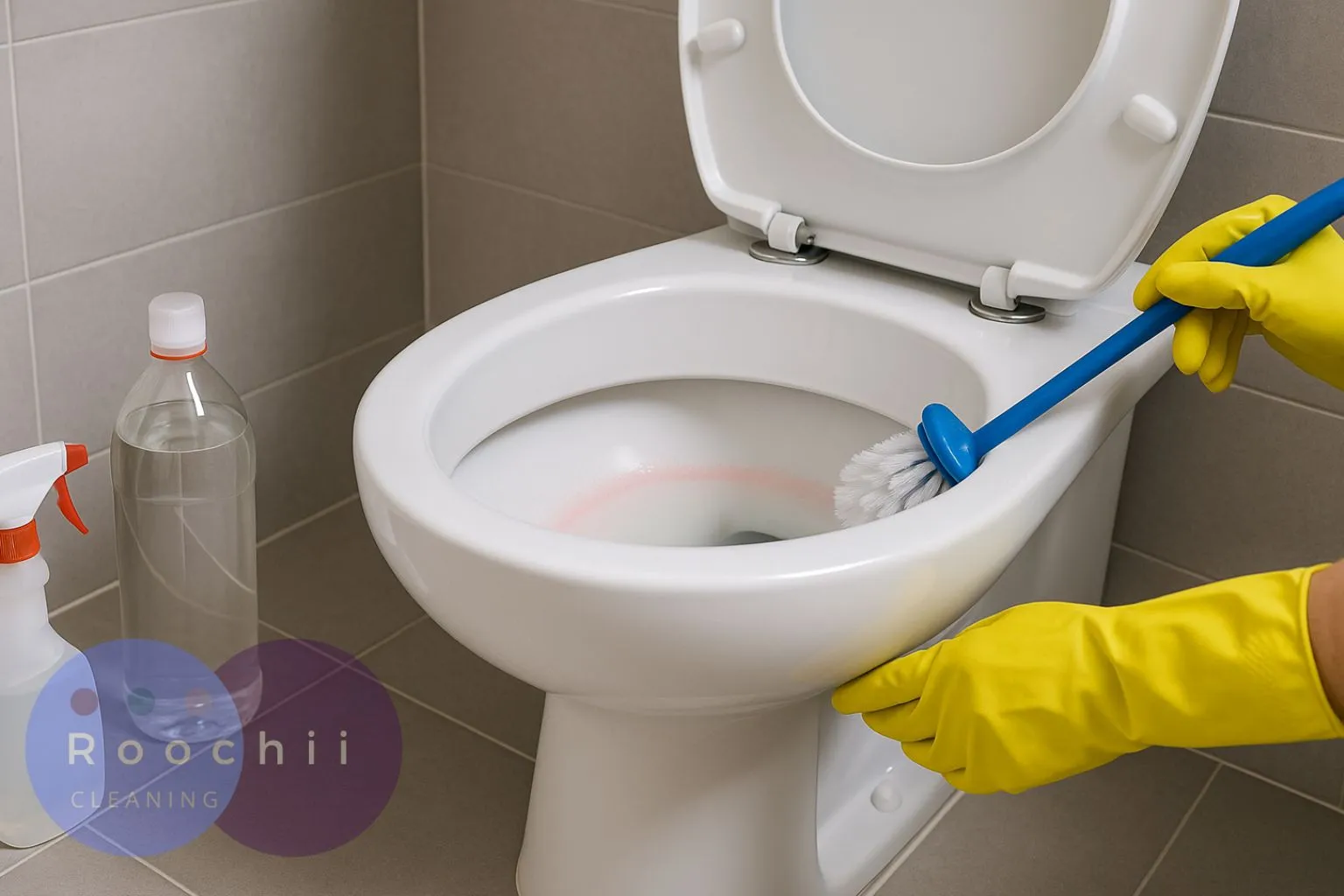
To remove the pink ring in toilet, you’ll have to clean it with vinegar and baking soda or a disinfecting cleaner, then prevent it from coming back with proper ventilation and weekly upkeep.
Of course, that assumes the pink ring hasn’t already assumed a leadership role in your bathroom. It’s not mold. It’s not rust. It’s Serratia marcescens, a bacteria that feeds on soap scum, thrives in moisture, and clearly has no sense of boundaries. You scrub, it returns, you sigh, and the cycle continues.
This guide explains what it is, how to get rid of it without wrecking your toilet, and how to stop it from ever making a comeback. No gimmicks, just straightforward cleaning with a side of satisfaction.
Table of Contents
- What Exactly Is the Pink Ring in Toilet Bowls?
- Should You Be Concerned About the Pink Ring in Your Toilet?
- Your Complete Checklist of What You’ll Need to Remove the Pink Ring in Toilet
- How to Remove the Pink Ring in Toilet Step by Step
- How to Prevent Pink Ring in Toilet from Coming Back
- When Is It Time to Call a Professional Cleaner
What Exactly Is the Pink Ring in Toilet Bowls?
Serratia marcescens, more commonly known as pink mold, feeds on soap scum, calcium deposits, and even trace organic residue. Combine that with warm temperatures and limited airflow, and your toilet bowl becomes the ideal environment.
S. marcescens is a microorganism commonly found in moist environments. It produces a pink or reddish pigment called prodigiosin, which creates a signature hue. It is naturally airborne, meaning it can land on any damp surface and start multiplying, especially in areas with poor ventilation and high humidity.
Why Toilets and Bathrooms Are Pink Ring’s Favorite Place to Live
Toilets are an ideal home for this bacteria for a few key reasons:
- Stagnant Water: If the toilet isn’t flushed regularly, it creates a still, nutrient-rich environment.
- Soap and Organic Residue: Bacteria feed on the leftover traces of soap, body oils, and even microscopic waste particles.
- Low Ventilation: Warm, humid air and lack of airflow provide the perfect climate for bacterial growth.
It’s also important to note that Serratia marcescens doesn’t just limit itself to toilet bowls. You might also find it in:
- Shower grout and tile edges
- Around sink drains and dishwashers
- Inside humidifiers, walls, and pet water bowls
- Shower curtains, toothbrush holders, or loofahs
What makes this bacterium frustrating is its resilience. It can form biofilms, which are slimy layers that protect it from being easily wiped away. If not addressed properly, the pink ring can return within 48–72 hours after cleaning.
Should You Be Concerned About the Pink Ring in Your Toilet?
Serratia marcescens, the bacteria responsible for the stain, can pose risks. For those with compromised immune systems, open wounds, or chronic health issues, exposure can lead to infections.
The bacteria have also been linked to urinary tract infections, wound infections, and even respiratory problems in clinical settings, though such cases are relatively rare in home environments.
Children and pets may also be at slight risk. For example:
- Toddlers who touch the bowl rim or use the toilet unsupervised
- Pets that drink from the toilet (a common behavior in some dogs)
- Anyone with minor skin cuts or abrasions who cleans the toilet without gloves
The good news? Routine cleaning and basic hygiene significantly reduce any potential health concerns. Wearing gloves, flushing regularly, and improving ventilation can all keep exposure minimal.
Your Complete Checklist of What You’ll Need to Remove the Pink Ring in Toilet
Natural Ingredients, Tools, and Products That Actually Work
Having the proper supplies on hand not only makes the job easier but ensures you’re tackling the pink ring in toilet safely and effectively.
Here’s a breakdown of what you’ll need, whether you prefer natural remedies or stronger chemical solutions:
Common Household Items That Help Fight the Pink Ring
These are ideal if you’re looking to avoid harsh chemicals or prefer eco-friendly options:
- White Vinegar: A natural disinfectant that breaks down mineral deposits and bacteria.
- Baking Soda: Mildly abrasive and excellent for lifting stains without damaging porcelain.
- Hydrogen Peroxide (3%): A gentle bleach alternative that disinfects and brightens.
- Essential Oils (optional): Tea tree or lemon oil can enhance cleaning power and leave a fresh scent.
Essential Cleaning Tools for Scrubbing
Choosing the right tool prevents surface damage while effectively removing biofilm:
- Toilet Brush: Preferably with soft or medium bristles.
- Non-Abrasive Scrubbing Pad: Helps lift stains without scratching the bowl.
- Pumice Stone (optional): For stubborn spots—but use cautiously.
- Spray Bottle: Useful for applying vinegar or hydrogen peroxide evenly.
Protective Gear to Keep You Safe While Cleaning
Though the pink ring is typically not dangerous, it’s best to take precautions:
- Rubber Gloves: Prevent skin contact with bacteria and cleaning agents.
- Face Mask (optional): For those sensitive to strong fumes or cleaning sprays.
- Old Clothes: Protect your garments from splashes and drips.
Effective Commercial Cleaners for Stubborn Toilet Stains
Sometimes, the pink ring proves more stubborn than expected. In those cases:
- Bleach-Based Toilet Cleaners: Very effective but should be used sparingly.
- Eco-Friendly Bathroom Cleaners: Look for enzyme-based or plant-derived products.
- Disinfecting Tablets or Gels: Some can be placed in the tank or bowl for ongoing protection.
Pro Tip: Avoid using anything too abrasive, as it can create scratches that actually make the stain return faster.
How to Remove the Pink Ring in Toilet Step by Step
Now that you’ve chosen your preferred cleaning method, it’s time to tackle the pink ring in toilet. This guide will walk you through both approaches, starting with the gentlest and escalating to stronger options if needed.
Step 1: Flush and Prepare the Toilet for a Thorough Cleaning
- Start with a clean slate: flush the toilet to remove any loose debris.
- For deep cleans, you may turn off the water supply and flush again to lower the water level. This exposes more of the bowl for thorough cleaning.
Step 2: Apply Natural Cleaners to Break Down Bacterial Stains
- Vinegar + Baking Soda Method:
- Pour about 1 cup of white vinegar directly into the bowl, focusing on the stained area.
- Add ½ cup of baking soda. Let the mixture fizz.
- Allow it to sit for 15–30 minutes. Don’t flush
- Alternative: Spray hydrogen peroxide on the stained area and let it sit for 10 minutes.
Step 3: Gently Scrub the Pink Ring Without Damaging the Bowl
- Use a soft toilet brush or non-abrasive pad to scrub the pink ring.
- Focus on the ring and any discolored spots above or below the waterline.
- Avoid harsh abrasives that could scratch porcelain and worsen future staining.
Step 4: Rinse and Check for Any Remaining Stains
- Turn the water supply back on (if it was off).
- Flush the toilet and inspect the bowl.
- Most pink rings will dissolve with just one treatment, but if it’s still visible, repeat the process or move to chemical options.
Optional: Use Commercial Cleaners If Natural Methods Don’t Work
For tough, persistent stains:
- Apply a bleach-based cleaner or a disinfecting toilet gel.
- Let it sit for 10–15 minutes (follow product instructions).
- Scrub again gently, then flush.
Tip: Never mix vinegar and bleach, as it creates toxic fumes. Use one or the other, not both.
Step 5: Finish With a Final Polish for a Sparkling Toilet
- Wipe down the toilet’s exterior, seat, and base using a disinfecting wipe or cloth.
- Run an exhaust fan or open a window to dry out the area.
How to Prevent Pink Ring in Toilet from Coming Back
You’ve cleaned it. It’s gone. But without the right habits, that pesky pink ring in toilet could reappear in just a few days. Fortunately, with a few smart, sustainable habits, you can stop it before it starts.
A. How Improving Bathroom Ventilation Can Keep Bacteria at Bay
Moisture is the bacteria’s best friend. Eliminating damp air is key.
- Run an exhaust fan for 15–20 minutes after each shower.
- If your bathroom lacks a fan, open a window or leave the door cracked.
- Consider using a dehumidifier in particularly humid environments.
Proper airflow keeps surfaces dry and unwelcoming to bacteria.
B. Why Flushing Unused Toilets Prevents Pink Ring Buildup
Toilets in guest rooms or vacation homes are a prime target for pink rings because the water stagnates.
- Flush once every few days if the toilet isn’t in use.
- Pour a little vinegar into the bowl once a week to prevent bacterial buildup.
Keeping the water fresh is one of the easiest and most overlooked solutions.
C. The Power of a Quick Weekly Scrub to Stop Bacteria Growth
Regular light cleaning goes a long way toward prevention.
- Swish the toilet bowl with a brush weekly.
- Spray the bowl with white vinegar and let it sit for a few minutes before flushing.
- Wipe down faucets, sinks, and shower tiles to remove scum and residue that feed bacteria.
D. Smart Preventative Products That Do the Cleaning for You
Consider tools that do the work for you:
- Drop-in toilet tablets (non-bleach, septic-safe) that sanitize with each flush.
- A spray bottle filled with equal parts water and vinegar to mist the toilet interior daily.
- Install a toilet tank cleaner that releases small doses over time.
E. How Fixing Leaks Helps Eliminate the Pink Ring in Toilet for Good
Dripping water or running toilets can constantly introduce new moisture. Here’s what you should do:
- Inspect and replace worn-out flappers in the tank.
- Ensure there are no slow leaks keeping your toilet or surrounding area damp.
When Is It Time to Call a Professional Cleaner
Sometimes, despite your best efforts, the pink ring in toilet keeps making a comeback. While this bacteria-driven stain is usually manageable with DIY methods, there are situations where calling in a professional makes perfect sense.
A. What to Do When the Pink Ring Keeps Coming Back After Cleaning
If you’ve been cleaning your toilet bowl regularly and the pink ring returns within just a day or two, it’s a red flag. This could indicate:
- A persistent biofilm buildup inside the toilet’s rim jets or tank
- Bacteria thriving in areas you can’t easily reach
- Hidden issues with water flow or flush strength
A professional cleaner can access and sanitize areas most homeowners miss using specialized tools and high-powered cleaners.
B. How Plumbing and Ventilation Issues Can Fuel the Pink Ring Problem
Serratia bacteria love moist, stagnant environments. If your toilet or bathroom never seems to fully dry out, it may point to larger issues:
- Slow leaks or condensation from faulty flappers or worn seals
- Poor air circulation due to blocked vents or non-functioning fans
- Humidity buildup even hours after use
A licensed plumber or HVAC technician can inspect for hidden leaks, replace worn parts, and optimize ventilation.
C. Why Seeing Pink Rings in Multiple Bathrooms Might Be a Bigger Issue
If the pink ring appears in more than one toilet or spreads to sinks, tubs, or showers throughout your home, this may suggest a systemic issue. This might include:
- Bacteria buildup in your home’s water lines
- High ambient humidity across multiple rooms
- Mineral-heavy water that feeds microbial growth
A whole-home inspection might be needed to assess air quality, plumbing conditions, or even the state of your water softener system.
D. Managing the Pink Ring in Rentals and Commercial Restrooms
If you manage rentals, short-term listings, or commercial buildings where multiple people use the bathroom, it’s often more efficient and effective to hire a cleaning service for routine maintenance.
Putting an End to the Pink Ring in Toilet Problem Once and for All
The pink ring in toilet may seem like a harmless annoyance, but left untreated, it becomes a recurring stain that drags down your bathroom’s appearance. Fortunately, it’s not mysterious, and it’s absolutely manageable once you understand what you’re up against.
With the right tools, habits, and cleaning methods, you can keep your toilet sparkling and your bathroom frustration-free.
And if you need help, or just don’t want to deal with it at all, Roochii Cleaning’s trusted Denver cleaning team is just a call away. We’ve got the expertise, tools, and time to tackle the pink ring and everything else hiding in plain sight.
FAQ
FAQs About Pink Ring in Toilet
Yes. While Serratia marcescens is the primary culprit, minerals in hard water can create surface conditions that encourage bacterial growth. A water softener or regular descaling can help minimize buildup.
The waterline is the perfect storm of moisture, air exposure, and organic residue from flushing—ideal conditions for Serratia marcescens to thrive. Above or below that zone, the environment is usually less favorable for its growth.
Absolutely. Oils like tea tree, eucalyptus, and lavender have natural antibacterial properties. Added to vinegar or water-based sprays, they can help prevent bacterial growth while adding a pleasant scent.
Yes. Porous or older ceramic surfaces may hold onto moisture or microscopic grime more easily than glazed porcelain, making them more susceptible to staining. A newer, smoother finish may resist buildup better.
Indirectly, yes. Bacteria like Serratia marcescens thrive in dark, moist environments. A well-lit, regularly used bathroom tends to stay drier and less hospitable to microbial growth than one left in low light for extended periods.