What is a HEPA Filter Vacuum: An Ultimate Guide in Safe and Effective Cleaning

Understanding HEPA Technology in Modern Cleaning
Dust has a way of overstaying its welcome. It settles quietly and somehow reappears. One day, your floors might look tidy; the next, fine particles are drifting through the air and collecting on surfaces. What looks clean isn’t always as clean as it seems.
That’s where knowing what is a HEPA filter vacuum starts to matter. Understanding HEPA filtration in modern cleaning isn’t about chasing a trend or upgrading equipment because it sounds cool. It’s about knowing if your cleaning efforts are actually removing dust and allergens, or simply sending them back into circulation.
This complete guide breaks down how HEPA filters work, why they’re different, and how they contribute to more effective cleaning outcomes. If you’re ready to stop cleaning the same dust twice and start understanding what “clean” really means, you’re in the right place.
Table of Contents
- What is a HEPA Filter Vacuum?
- Does HEPA Filter Vacuum Work for Allergies?
- Debunking Myths: What HEPA Filters Can and Cannot Do
- HEPA Filters vs. Regular Filters: What’s the Real Difference?
- A Comprehensive Guide to Maintaining and Cleaning Your HEPA Filters
- Step-by-Step Guide to Cleaning Your Home with a HEPA Vacuum
- Can HEPA Filters Help Reduce Pet Dander and Odors?
- Top Reasons to Use HEPA Filtration in Professional Cleaning Services
- How HEPA Air Purifiers Improve Indoor Air Quality After Deep Cleaning
1. What is a HEPA Filter Vacuum?
What does HEPA stand for in air filtration technology?
HEPA stands for High-Efficiency Particulate Air. To qualify as true HEPA, a filter must capture at least 99.97% of particles as small as 0.3 microns.
At 0.3 microns, particles are small enough to stay airborne, evade the body’s natural defenses, and trigger respiratory issues. HEPA standards were originally developed for clean rooms and nuclear facilities, later formalized by the U.S. Department of Energy and adopted internationally under EN classifications.
How HEPA filters work to capture microscopic particles
HEPA filters don’t work like kitchen strainers. They use a dense web of fibers that trap particles through three mechanisms: interception, impaction, and diffusion. In plain English, particles crash into fibers, get stuck while passing close by, or zigzag randomly until they’re captured.
When you hear “99.97% at 0.3 microns,” it doesn’t mean larger or smaller particles slip through. In fact, many are trapped even more efficiently.
What HEPA Filters Capture
HEPA filtration excels at removing:
- Dust and fine debris
- Pollen and mold spores
- Pet dander and skin flakes
- Bacteria and ultra-fine particulates
What it captures stays captured, provided the system is properly sealed.
2. What Is a HEPA Filter Vacuum and Does It Work for Allergies?
This is where user intent peaks, and confusion often follows.
How HEPA Vacuums Differ from Standard Vacuums
A HEPA vacuum isn’t just a vacuum with a HEPA filter. The entire system must be sealed so that air entering the machine exits only through the filter. Many standard vacuums boast strong suction but leak fine particles back into the room through gaps, exhaust vents, or poorly fitted housings.
That’s why suction alone is a myth. Filtration is what protects your air.
Are HEPA Vacuums Effective for People With Allergy and Asthma?
The short answer is yes. Why? Allergens like dust mites and pollen aren’t the same as irritants like odors or gases. HEPA targets the physical particles that inflame airways. For asthma and allergy sufferers, removing those triggers is often more impactful than simply cleaning visible dirt.
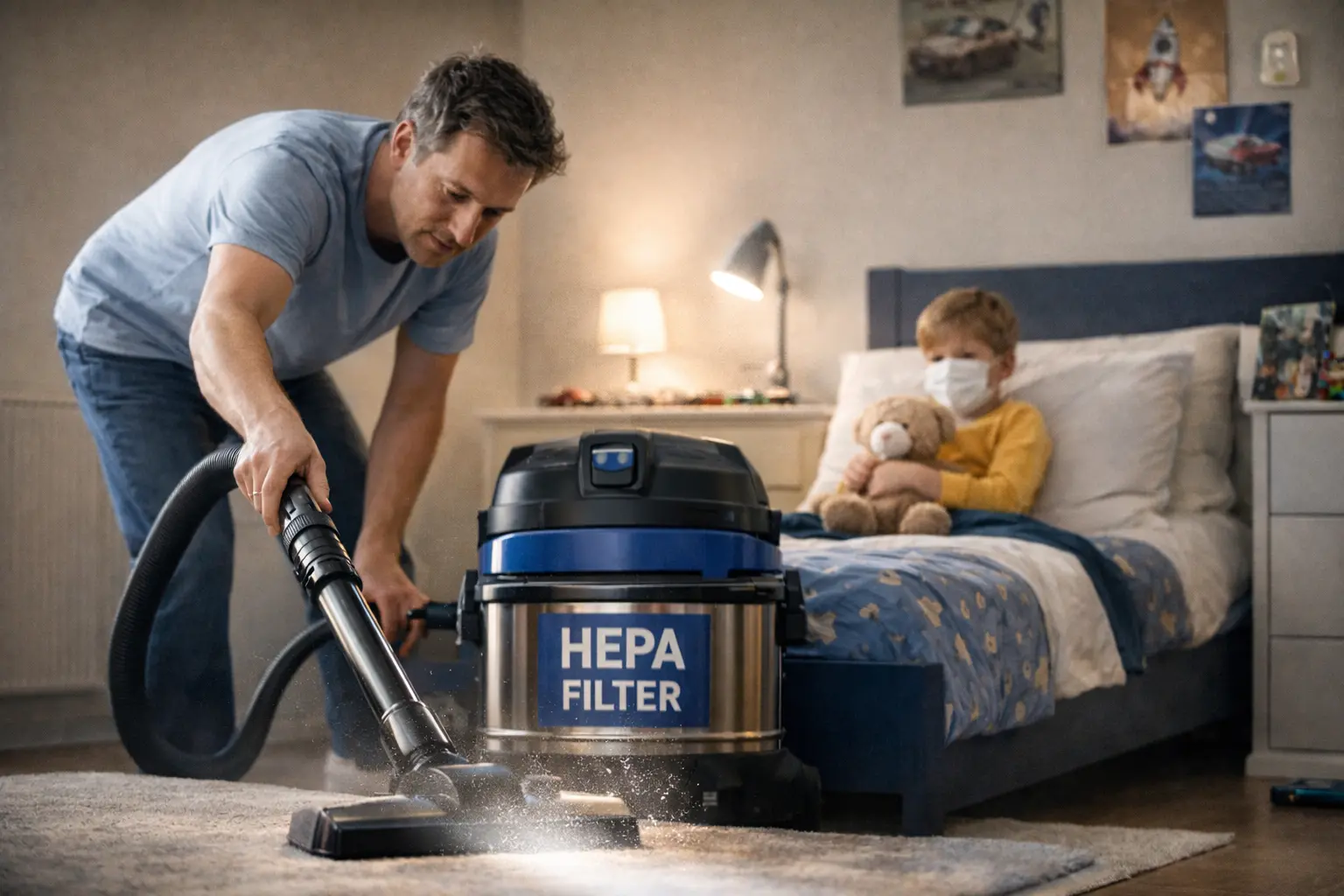
HEPA vacuums reduce airborne allergens during and after cleaning, rather than kicking them up like traditional machines.
Are They Really Better at Removing Dust?
Absolutely, HEPA vacuum cleaners are better at removing dust. Standard vacuums often redistribute fine dust, letting it resettle on surfaces hours later. HEPA vacuums focus on removal, not relocation. The difference shows up in cleaner surfaces, longer-lasting results, and noticeably fresher air.
3. Debunking Myths: What HEPA Filters Can and Cannot Do
Common Misconceptions About HEPA Filtration
“All HEPA filters are the same.”
They’re not. True HEPA meets strict standards. “HEPA-like” or “HEPA-style” does not.
“HEPA kills viruses.”
HEPA captures particles; it doesn’t kill pathogens. Some viruses attach to droplets that HEPA can trap, but disinfection is a separate process.
“You only need HEPA for allergies.”
False. HEPA benefits anyone who values cleaner air—including offices, schools, and post-construction sites.
Limitations of HEPA Filters
HEPA doesn’t completely remove the following:
- Odors
- Gases
- VOCs (volatile organic compounds)
That’s where activated carbon filters and proper ventilation come in. Think of HEPA as the particle specialist, not the whole air-quality orchestra.
4. HEPA Filters vs. Regular Filters: What’s the Real Difference?
HEPA vs. Standard Vacuum Filters
When it comes to HEPA Filter vs. Standard Filter, standard filters may capture particles down to 10 microns or larger. HEPA goes far beyond that, trapping particles invisible to the naked eye. The performance gap is massive, not marginal.
HEPA vs. Bagless and Cyclonic Systems
Cyclonic systems rely on spinning air to drop heavy debris into a bin. They’re efficient for large particles but weak on ultra-fine dust. Over time, they often leak fine particles back into the air unless paired with sealed HEPA filtration.
Choosing the Right Filter for the Job
- Homes: HEPA vacuums reduce allergens and dust buildup
- Offices: Improve employee comfort and reduce sick days
- Medical & hospitality: Often mandatory for compliance
- Commercial cleaning: Essential for post-construction and deep cleans
5. A Comprehensive Guide to Maintaining and Cleaning Your HEPA Filters
Why Proper HEPA Maintenance Matters
A neglected HEPA filter doesn’t just lose efficiency. It can also become a health risk. Clogged filters restrict airflow, strain motors, and may release trapped particles if damaged.
That’s why you need to maintain the cleanliness of your HEPA filters.
How Often Should HEPA Filters Be Replaced?
- Home use: Typically every 6–12 months
- Commercial use: More frequently, depending on workload
Always follow manufacturer guidelines. Guessing leads to poor performance.
Best Practices for HEPA Filter Care
- Only clean filters labeled “washable”
- Never tap or blow compressed air through HEPA filters
- Store replacements in sealed packaging
- Handle gently to avoid fiber damage
6. Step-by-Step Guide to Cleaning Your Home with a HEPA Vacuum
Step 1: Preparing Your Space
Declutter first. Clear surfaces allow HEPA vacuums to focus on dust rather than obstacles. Lightly dust high surfaces before vacuuming so particles fall downward.
Step 2: Room-by-Room Strategy
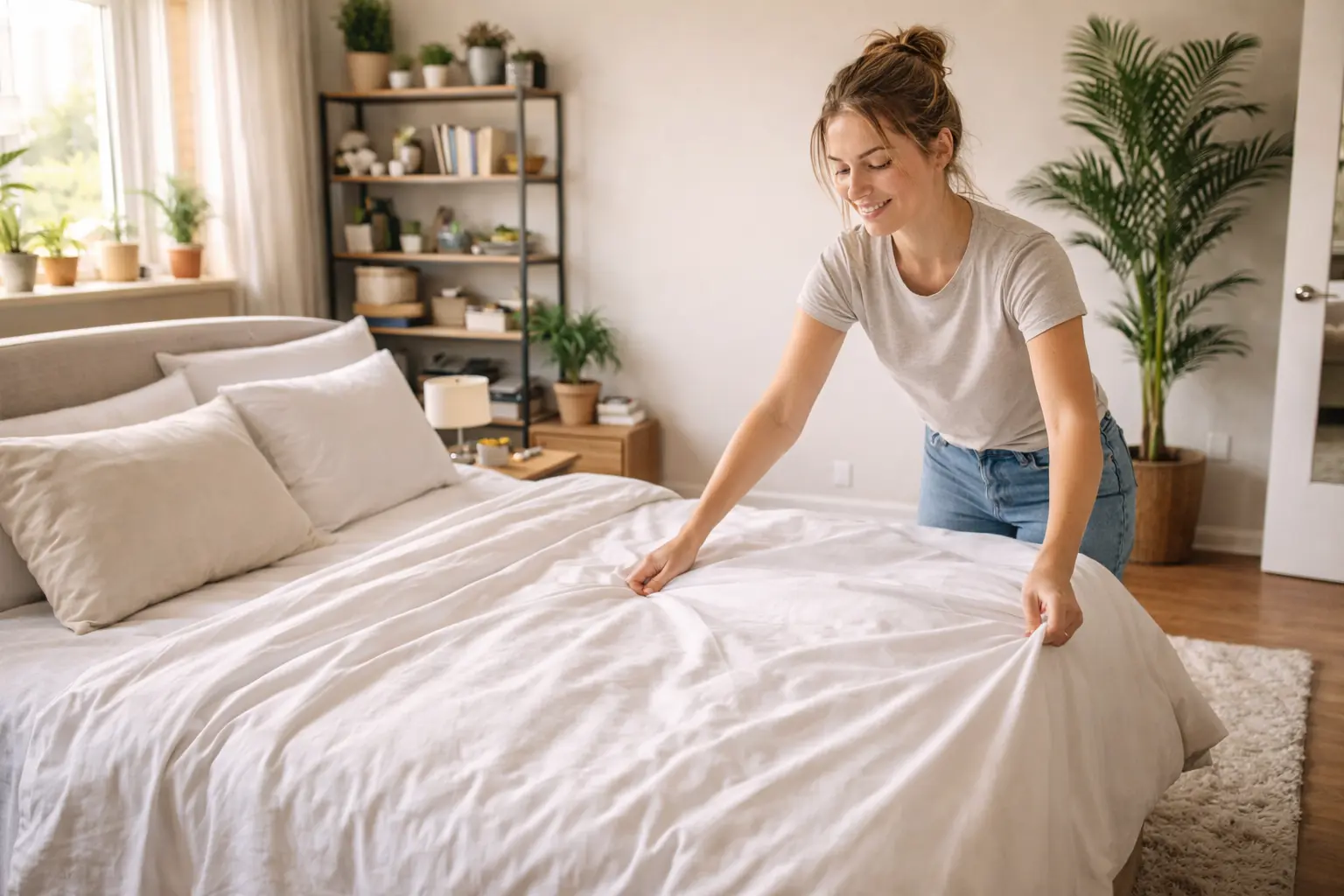
- Bedrooms: Mattresses, carpets, and curtains are allergen hotspots.
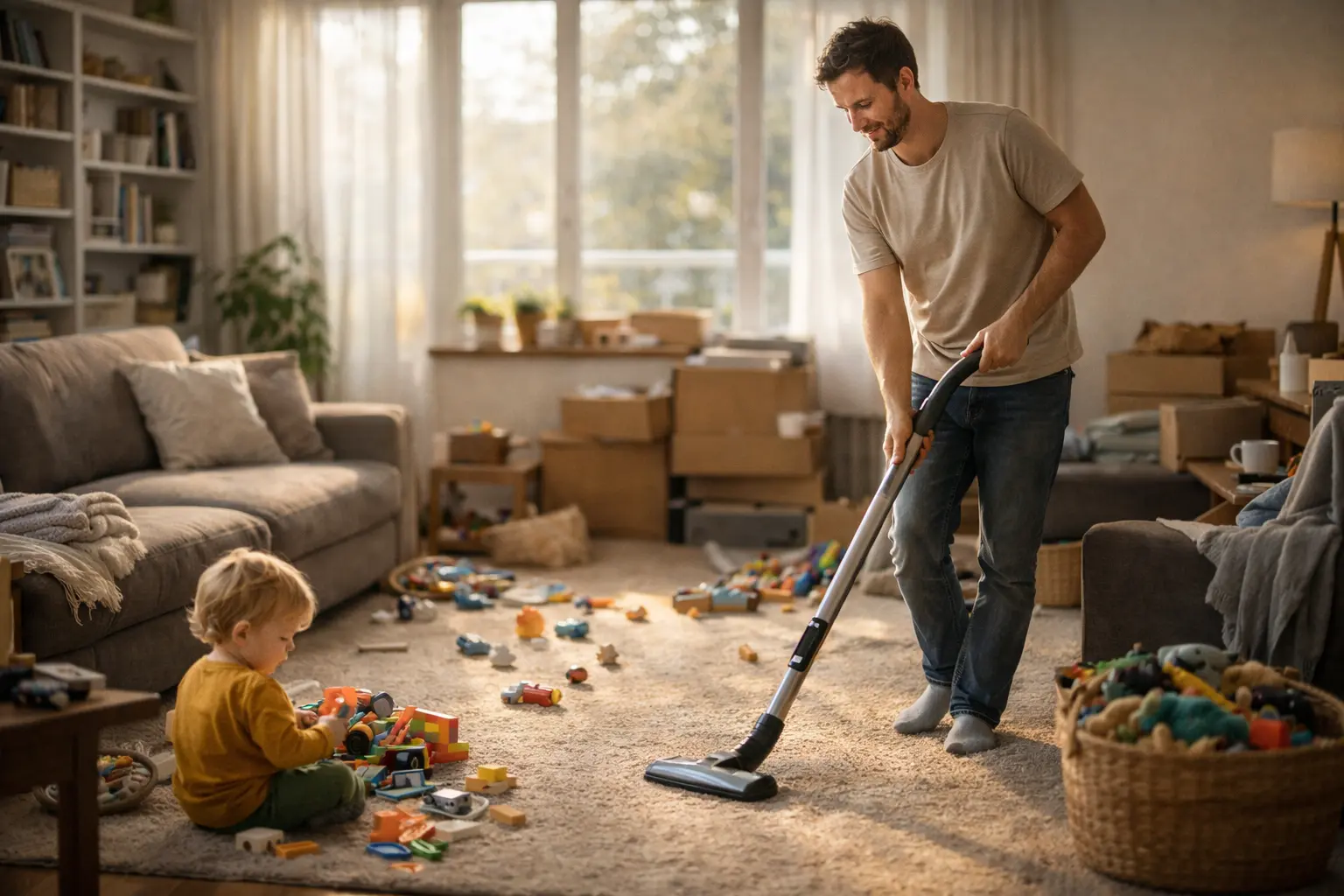
- Living areas: Upholstery and rugs trap fine dust.
Kitchens & bathrooms: Focus on corners and vents where particulates settle.
Step 3: After-Cleaning Air Quality
Pair HEPA vacuuming with air purifiers and brief ventilation. This clears resuspended particles and locks in results.
7. Can HEPA Filters Help Reduce Pet Dander and Odors?
How Pet Dander Behaves Indoors
Pet dander is microscopic, lightweight, and stubborn. It clings to fabrics and becomes airborne with movement, making it difficult to remove completely.
What HEPA Filters Can Do
HEPA vacuums excel at removing:
- Pet dander
- Fur embedded in carpets
- Dust mixed with pet allergens
What HEPA Can’t Do Alone
Odors require activated carbon. For pet owners, the winning combo is HEPA + carbon filtration.
8. Top Reasons to Use HEPA Filtration in Professional Cleaning Services
Why HEPA Is the Industry Standard
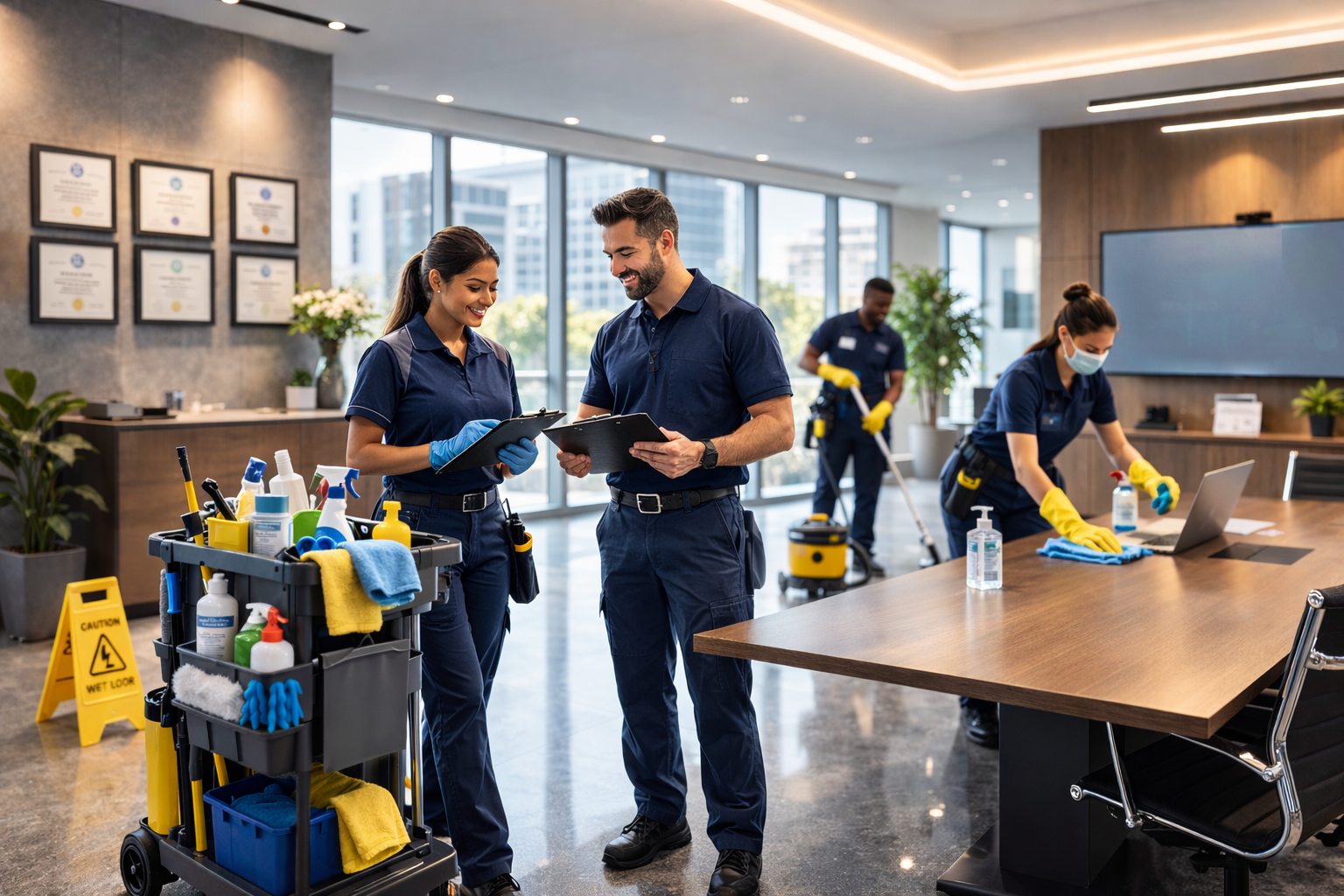
Professional cleaning isn’t just about appearances anymore. Clients expect measurable air-quality improvements, regulatory compliance, and healthier environments.
HEPA in Specialized Environments
- Healthcare facilities
- Schools and childcare centers
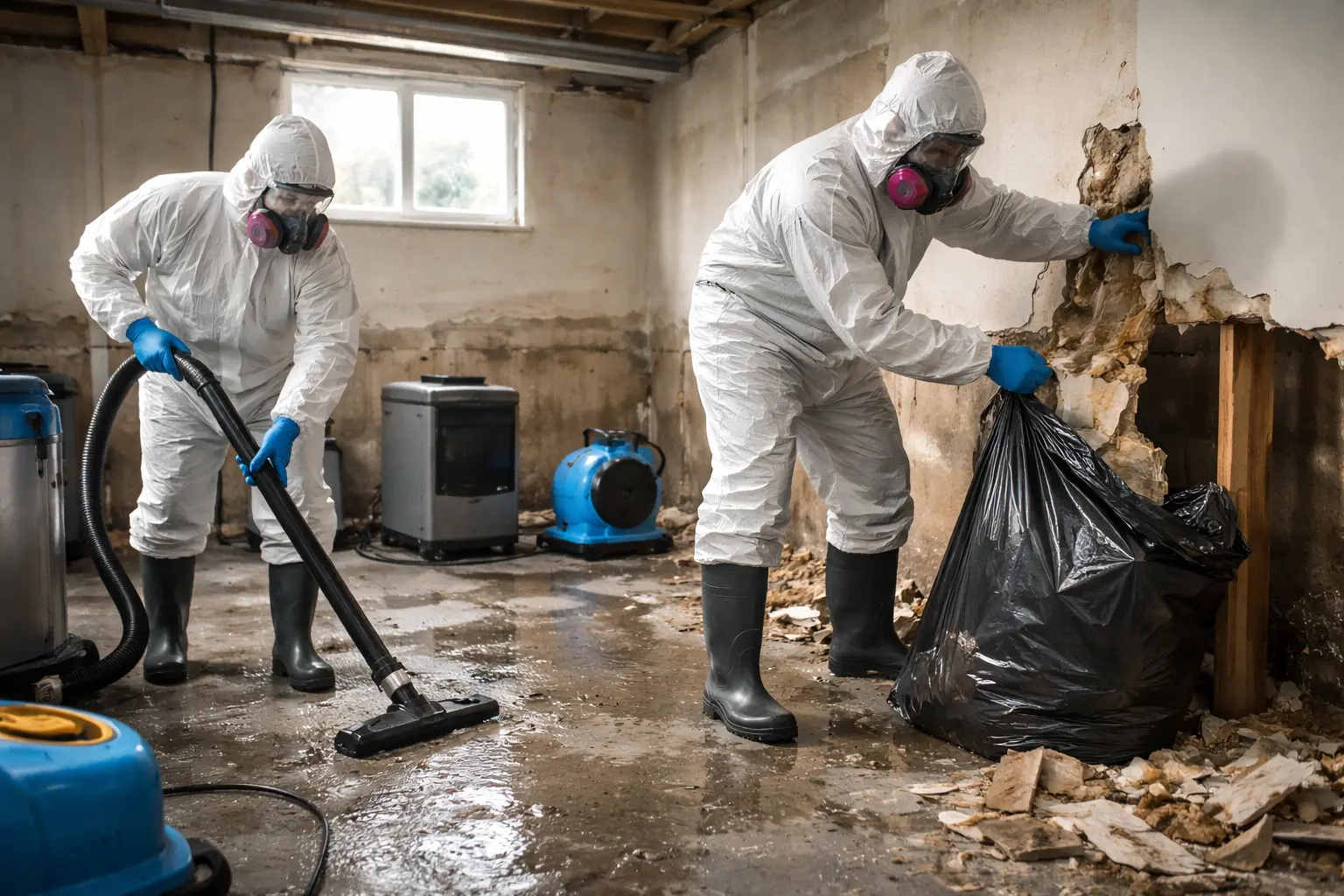
- Post-construction and renovation sites
Business Benefits
- Fewer callbacks
- Better client retention
- Improved indoor air quality metrics
HEPA isn’t an upgrade—it’s an expectation.
9. How HEPA Air Purifiers Improve Indoor Air Quality After Deep Cleaning
Cleaning stirs particles into the air before they settle. HEPA air purifiers capture what vacuums can’t reach in mid-air. Together, they create a layered defense that shortens settling time and maintains cleaner air longer.
A. The Environmental and Health Benefits of Switching to HEPA Cleaning Equipment
Health Benefits
Reduced exposure to allergens and fine dust means fewer respiratory issues, better sleep, and healthier long-term outcomes for occupants and cleaners alike.
Environmental Advantages
HEPA systems reduce reliance on harsh chemicals and extend equipment lifespan. Cleaner air, less waste—it’s a win on both fronts.
Final Thoughts: Making HEPA Filtration Part of an Effective Cleaning Strategy
So, what is a HEPA filter vacuum really about? It’s about shifting cleaning from surface-level to air-deep. HEPA isn’t always mandatory—but when health, allergies, or professional standards matter, it becomes essential.
For homeowners, it’s peace of mind. For professionals, it’s credibility. And for everyone indoors, it’s simply better air to breathe.
FAQ
Frequently Asked Questions About HEPA Filters and Cleaning
No. True HEPA meets strict standards. Always verify certification.
Typically 6–12 months, depending on usage.
Yes, particulate smoke—though odors require carbon filters.
For air quality and health benefits, absolutely.
Yes, when properly sized and maintained.
Yes. Daily use is safe and effective.