The Complete Breakdown: What Is a HEPA Vacuum and Does It Work for Allergies?

Do HEPA Vacuums work for allergies?
Picture this: you step into your home after a long day, hoping to relax and get comfortable. Instead, you are met with a flurry of sneezes and itchy eyes that refuse to stop. Or you’re sitting in a conference room at work, trying to focus on an important meeting, but the air feels thick and dusty, leaving you struggling with a scratchy throat. These scenarios, all too familiar for many, highlight how allergies can infiltrate our environments and impact our well-being.
One solution being floated for this persistent problem is vacuum cleaners equipped with HEPA (High-Efficiency Particulate Air) filters. These advanced devices are designed to capture and contain allergens, ensuring cleaner, healthier air for everyone. Many individuals seek effective solutions to mitigate these challenges, prompting the question: What is a HEPA vacuum, and does it work for allergies?
This blog delves into the science behind HEPA filters, their effectiveness in capturing allergens, and how incorporating them into your home or workplace can create a healthier environment. Join us as we explore the benefits of HEPA filters and discover practical strategies to alleviate allergy symptoms and enhance overall quality of life.
Table of Contents
What is a HEPA Vacuum?
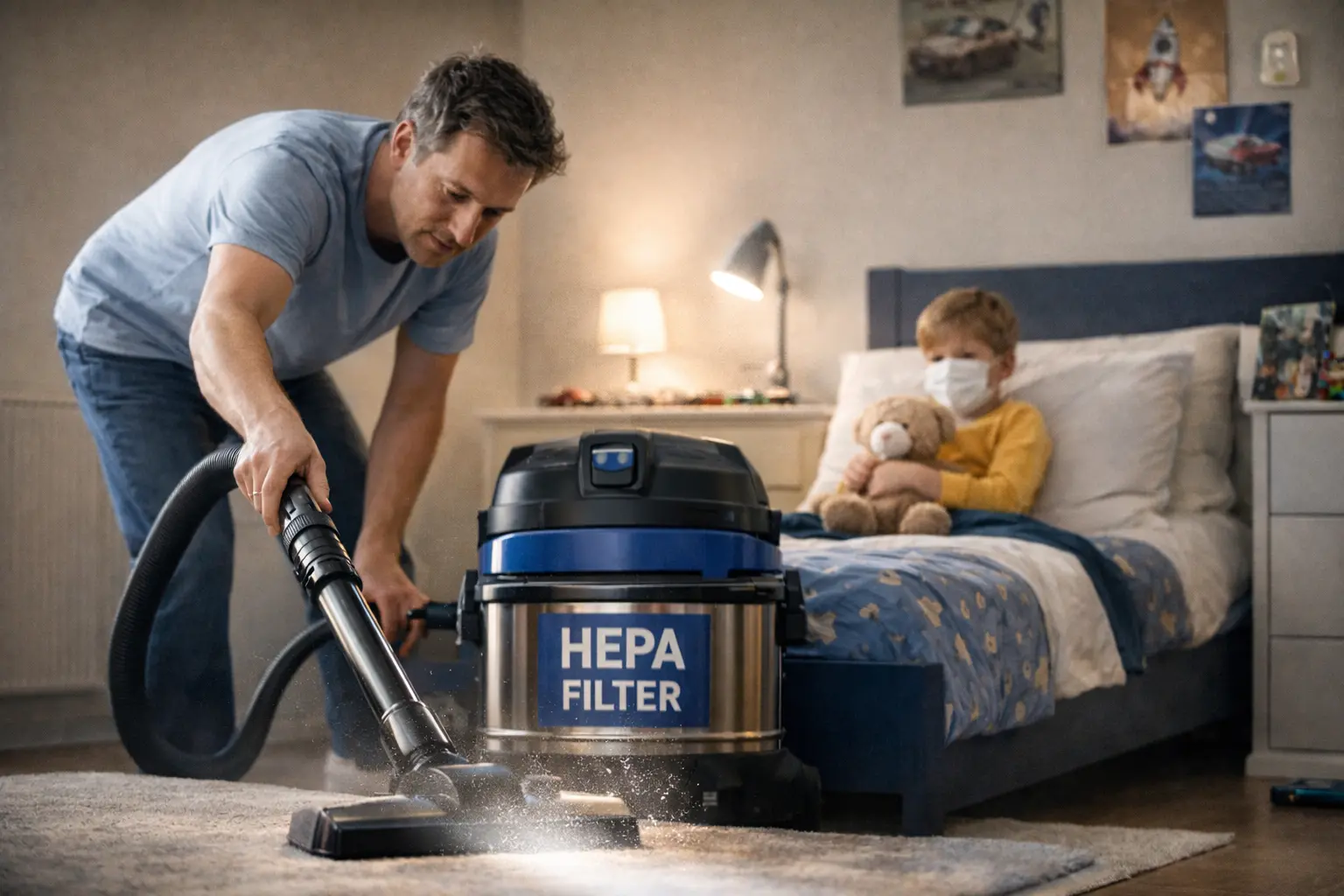
A HEPA vacuum, also known as a HEPA filter vacuum, is a specialized cleaning device designed to trap microscopic particles that regular vacuums often miss. These vacuums feature filters meeting strict industry standards, capturing at least 99.97% of particles as small as 0.3 microns, including dust, pollen, pet dander, mold spores, and some bacteria. This makes them particularly effective for those dealing with allergens.
HEPA vacuums often feature a sealed system to prevent leaks, meaning the captured particles remain securely locked inside and don’t return to your home. This containment is key to their performance and effectiveness. Paired with advanced suction technology, these vacuums deliver a deeper clean, ensuring a healthier living environment.
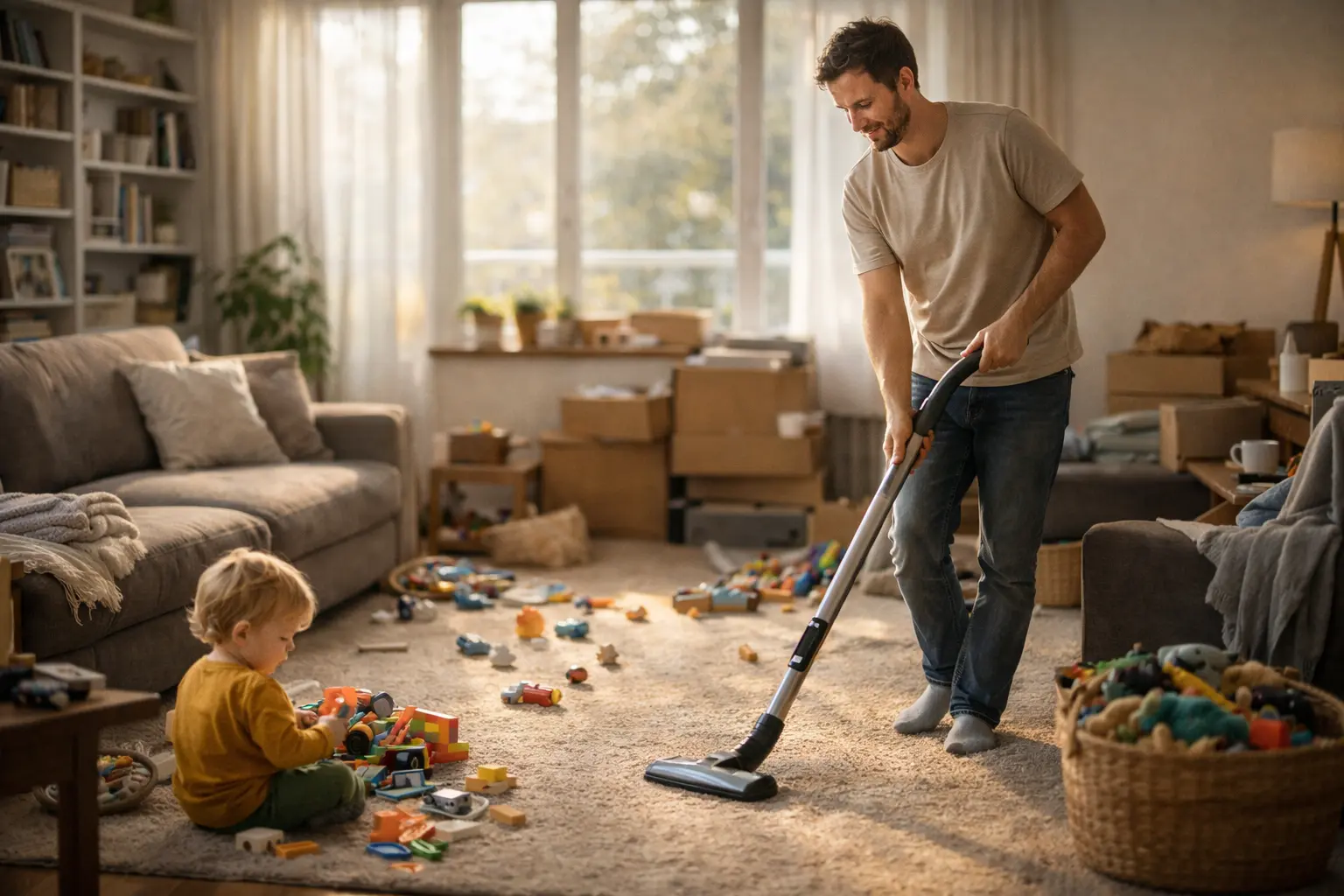
A HEPA vacuum is a versatile and powerful tool for cleaning carpets, hardwood floors, upholstery, or even mattresses. To maintain its efficiency, it’s important to understand how to clean a HEPA filter. Regular maintenance ensures these vacuums continue reducing allergens and promoting a healthier, more comfortable space for years to come.
Do HEPA Filters Help with Allergies?
HEPA filters for vacuum cleaners have been proven to help with allergies by significantly reducing allergens and improving air quality. Homes equipped with HEPA filtration systems often experience lower levels of dust mites, pollen, and other airborne irritants, according to a study published in the Journal of Allergy and Clinical Immunology. The study also highlighted the notable reduction in allergens in homes where HEPA filter vacuums were consistently used, making these devices indispensable tools for allergy management.
Personal experiences also reinforce the benefits of HEPA vacuums. Allergy sufferers frequently report noticeable relief from symptoms such as sneezing, nasal congestion, and eye irritation after incorporating HEPA vacuums into their routines. These improvements are particularly evident in homes with pets or environments with heavy allergen exposure. This showcases the value of understanding what a HEPA vacuum is and how it can trap and eliminate harmful particles to improve daily life.
By integrating HEPA vacuuming into cleaning schedules, individuals and organizations can create cleaner, healthier indoor environments, promoting overall well-being and comfort.
Advantages of HEPA Vacuums Over Regular Vacuums
Superior Filtration Efficiency
The American College of Allergy, Asthma, and Immunology said that HEPA vacuums can remove up to 99.97% of dust, pollen, and airborne particles as small as 0.3 microns. The superior filtration of HEPA vacuums ensures that these harmful particulates are effectively captured and not recirculated back into the air.
This high level of filtration is especially important for individuals with allergies or respiratory conditions, as even the smallest particles can trigger symptoms. By employing HEPA filters for vacuum cleaners, these vacuums effectively reduce allergens like dust mites, pet dander, and mold spores, ensuring they don’t linger in the environment.
Reduction of Allergens in the Air
HEPA vacuums are specifically designed to trap microscopic particles such as dust mites, pet dander, and fungal spores, preventing them from recirculating in your home. Research published in the Pediatric Allergy and Immunology journal has shown the HEPA vacuum’s effectiveness in improving indoor air quality as it significantly reduces dust mite allergens embedded in carpets and furniture by as much as 80%.
HEPA vacuums can also make a real difference in how you feel day to day. Per a study published in Allergologia et Immunopathologia, people who used HEPA technology experienced a reduction in allergy symptoms, including up to 60% fewer respiratory issues. These vacuums not only address airborne allergens but also reduce those accumulating on surfaces, and when paired with air purifiers, they create a notably more comfortable living environment.
So, to maximize the benefits of your HEPA vacuum, regular use and proper filter maintenance are key. Combining this routine with other strategies, like managing indoor humidity, can further enhance your home’s air quality and make it a more relaxing place to live.
If you are interested to know more on effective house cleaning, read our blog article on Where to Start Cleaning.
Improved Indoor Air Quality
Using a HEPA vacuum plays an important role in enhancing indoor air quality, a factor often overlooked but crucial for maintaining health and well-being. Research has shown that indoor air can be up to five times more polluted than outdoor air, largely due to the buildup of dust, allergens, and other fine particles that traditional vacuums fail to capture.
A study published in The Journal Environments revealed that the use of HEPA vacuums resulted in a 30% to 60% reduction in allergy symptoms and respiratory problems among occupants. Moreover, better air quality doesn’t just benefit individuals with allergies—it has been linked to improved concentration, sleep quality, and overall productivity, making HEPA vacuums a valuable addition to both homes and workplaces.
Table: What HEPA Vacuums Capture
| Particle Type | Example Sources | Size (Microns) | Captured by HEPA? |
|---|---|---|---|
| Pollen | Trees, flowers, grasses | 10–100 microns | ✅ Yes |
| Pet Dander | Cats, dogs | 2.5–10 microns | ✅ Yes |
| Dust Mites & Feces | Bedding, carpets, upholstery | 0.2–10 microns | ✅ Yes |
| Mold Spores | Damp areas, walls | 1–30 microns | ✅ Yes |
| Smoke Particles | Cigarettes, fire | 0.01–1 micron | ⚠️ Partially |
| Bacteria | Surfaces, air | 0.3–60 microns | ✅ Yes |
| Viruses | Airborne droplets | 0.02–0.3 microns | ❌ Not fully |
What Makes HEPA Filters Unique
Table: Types of Vacuum Filters vs. HEPA Filter
| Filter Type | Particle Size Captured | Efficiency Rate | Common Uses | Washable? |
|---|---|---|---|---|
| Standard Filter | > 10 microns | Low | Basic home vacuuming | Sometimes |
| Foam Filter | ~5–10 microns | Moderate | Wet/dry vacuums | Yes |
| HEPA Filter | ≥ 0.3 microns | 99.97% | Allergy-sensitive, commercial use | No |
| ULPA Filter | ≥ 0.12 microns | 99.999% | Clean rooms, labs | No |
HEPA filters are defined by stringent standards that determine their efficiency in capturing particles. To qualify as a HEPA filter, a device must trap at least 99.97% of particles measuring 0.3 microns. This size is significant because it represents the most penetrating particle size (MPPS), meaning that HEPA filters are most effective at capturing particles around this size, which include allergens like dust, pollen, and mold spores.
The standards for HEPA filters are set by agencies like the U.S. Department of Energy, ensuring that consumers receive products capable of providing significant air purification benefits. This thorough vetting process guarantees that users can trust HEPA filters to deliver on their promises.
Mechanism of Action in Capturing Particles
HEPA filters achieve their high level of filtration through a combination of three mechanisms: interception, impaction, and diffusion. Interception occurs when particles come into contact with the fibers in the filter and stick to them. Impaction happens when larger particles cannot follow the air stream and are forced to collide with the fibers, thus becoming captured. Lastly, diffusion affects smaller particles, which move erratically due to Brownian motion, making them more likely to be trapped by the filter fibers.
This intricate mechanism allows HEPA filters for vacuum cleaners to continuously capture and retain particles, providing users with a clean and safe environment. By understanding how does a HEPA filter works, consumers can appreciate their effectiveness in eliminating allergens and enhancing indoor air quality.
Comparison with Standard Filters
When comparing HEPA filters with standard filters, the differences in performance are striking. Standard filters, often made from fiberglass or polyester, typically have much lower filtration efficiency on particles 10 microns or less. While they can capture larger particles, they are inadequate for trapping allergens and smaller pollutants, as noted in Lung India.
In contrast, HEPA filters are made from dense mats of fine glass fibers that effectively trap even the tiniest particles. This increased efficiency makes HEPA filters the preferred choice for those seeking to reduce allergens and promote better air quality.
How HEPA Vacuums Eliminate Allergens
Capturing Dust Mites and Pet Dander
Dust mites and pet dander are common indoor allergens that can trigger allergic reactions in sensitive individuals. HEPA vacuums, a proven solution for those asking, do HEPA filters help with allergies, are specifically designed to capture these allergens, preventing them from circulating in the air.
The combination of powerful suction and advanced HEPA filtration ensures that dust mites, which thrive in warm and humid environments like carpets and bedding, are effectively removed. Research in the Journal of Asthma revealed that using a HEPA vacuum not only reduces dust mite allergens but also alleviates allergy symptoms such as sneezing and asthma attacks.
Studies have also shown that HEPA vacuums significantly reduce allergen levels in homes with pets. For instance, research has demonstrated that HEPA vacuums effectively capture fine particles like dander and other airborne irritants, making them a powerful tool for maintaining cleaner, healthier indoor environments.
The same study also shows that HEPA vacuums are essential for controlling pet dander, a significant source of allergens. Unlike standard vacuums, HEPA-equipped vacuums are designed to trap even the smallest particles of up to 99.97% of particles as small as 0.3 microns, including pet allergens. Regular use in homes with pets has also been found to reduce surface allergen concentrations by 50 to 80%, offering significant relief for allergy sufferers.
Removing Pollen and Mold Spores
A study featured in the Journal of the Egyptian Society of Parasitology demonstrated that pollen and mold spores are another set of allergens that HEPA vacuums can effectively eliminate. These tiny particles often enter homes through open windows or doors, especially during pollen seasons or in damp areas where mold thrives. By using a HEPA vacuum, homeowners can prevent these allergens from accumulating indoors, significantly reducing allergy symptoms.
The capability of HEPA vacuums to capture both pollen and mold spores means they are an indispensable tool for maintaining a clean indoor environment. Pollen can cause symptoms like sneezing, itchy eyes, and respiratory irritation when it accumulates indoors, while mold spores can lead to respiratory issues, exacerbate asthma, and pose long-term health risks such as chronic sinus infections or hypersensitivity pneumonitis.
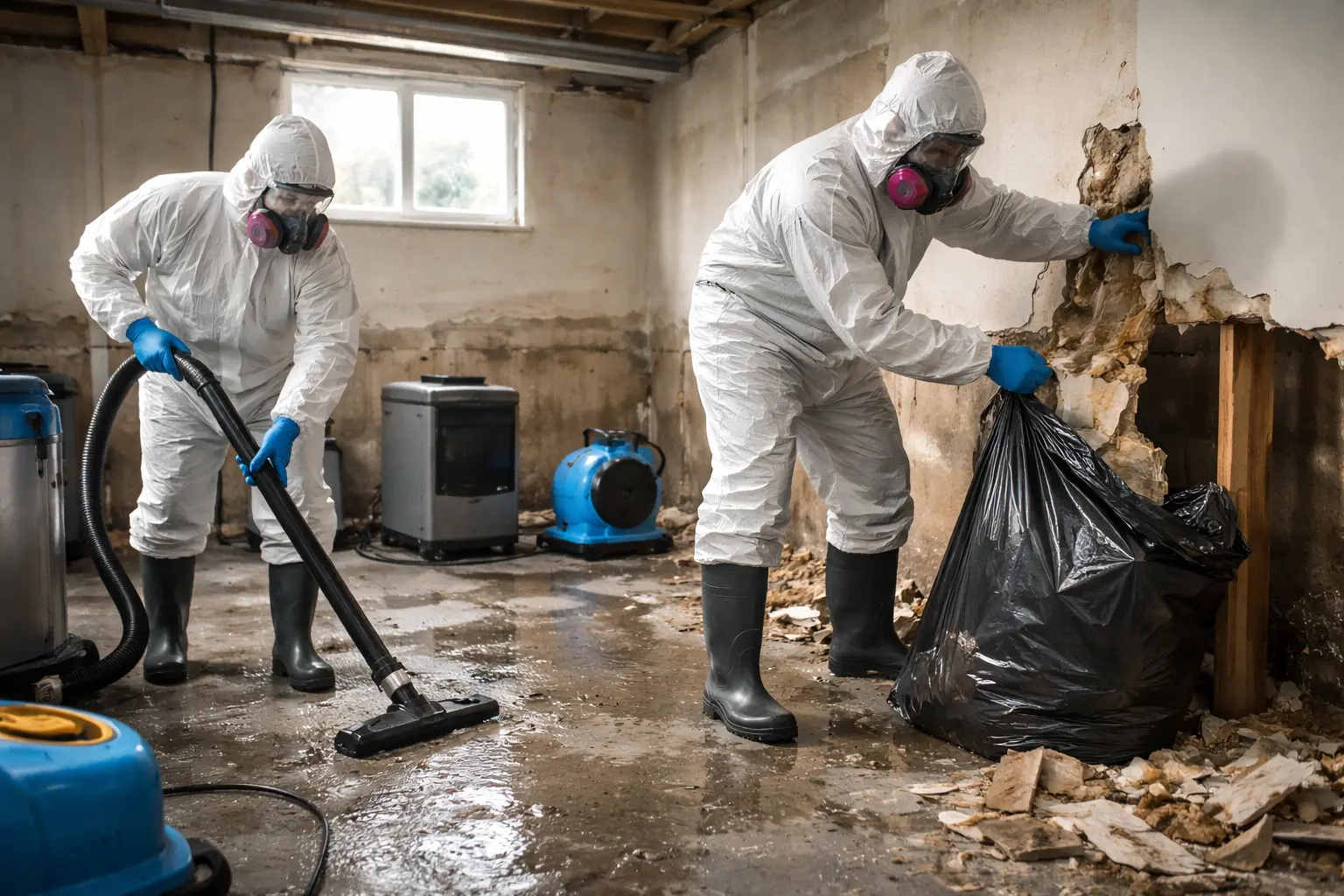
This is why when used as a HEPA vacuum for mold, it can help mitigate these impacts, particularly among those sensitive to specific allergens, ensuring a healthier and more comfortable living space.
Preventing Allergens from Recirculating
One of the distinguishing features of HEPA vacuums is their ability to prevent allergens from recirculating back into the air. Many standard vacuums, while effective at picking up dirt and dust, can inadvertently release allergens back into the atmosphere through their exhaust systems. This situation can counteract the benefits of vacuuming and lead to a worsening of allergy symptoms, as research showed that traditional vacuum cleaners without HEPA filters can recirculate up to 30% to 50% of airborne allergens back into the indoor environment.
HEPA vacuums are designed with sealed systems that ensure that captured particles remain trapped within the vacuum, preventing them from escaping back into the room. This technology is vital for anyone looking to improve their indoor air quality and create a healthier environment.
At Roochii Cleaning, we’ve seen firsthand how switching to HEPA vacuums can transform a space and a client’s quality of life. One of our clients in Denver had been struggling with persistent allergy symptoms despite regular cleanings using standard vacuums. Dust and allergens continued to linger, aggravating their health. When they booked cleaning services with Roochii Cleaning in Denver, CO, they were introduced to one of our reliable vacuums equipped with HEPA technology—and the difference was immediate.
Afterward, they noticed a dramatic improvement. The air felt fresher, and their allergy symptoms began to subside, proving that the right tools can make all the difference in creating a healthier, cleaner home. If you’re interested in knowing more, you may refer to our 10 Crucial Questions to Ask Cleaning Services Before Hiring article.
Choosing HEPA Vacuums for a Healthier Space
When selecting a HEPA vacuum, several important factors should be considered. Start by verifying that the vacuum is certified HEPA, as not all vacuums labeled as such meet strict filtration efficiency standards. Models with strong suction power are particularly effective in capturing allergens, enhancing the overall cleaning performance.
The filtration system is another key consideration. Many HEPA vacuums include additional filters, such as activated carbon filters, which help eliminate odors and further improve air quality. Accessories like upholstery tools and crevice attachments add versatility, allowing for thorough cleaning across different surfaces.
Performance ratings and certifications also play a vital role in choosing the right vacuum. Reputable organizations like the Asthma and Allergy Foundation of America (AAFA) or the American Lung Association provide certifications for models that meet rigorous allergen-removal standards. Customer reviews can offer valuable insights into real-world performance, helping to identify vacuums with consistently high ratings for efficiency and user satisfaction.
Additionally, maintaining a cleaner indoor environment with a HEPA vacuum helps preserve the longevity of home furnishings and carpets. By preventing the buildup of dust and allergens, these vacuums ensure living spaces remain safer, healthier, and more comfortable for all occupants.
Important Thing to Remember
HEPA vacuums are invaluable tools in the fight against indoor allergens. Their superior filtration technology surpasses standard vacuums, effectively capturing harmful particles that can trigger allergic reactions. By understanding the unique features of HEPA filters and the benefits they provide, consumers can make informed decisions when selecting vacuums that contribute to healthier living and working environments.
Scientific evidence supports the effectiveness of HEPA vacuums in reducing allergens, while personal testimonials from users exemplify the positive impacts on allergy management. As such, integrating HEPA vacuums into regular cleaning routines is essential for anyone looking to improve indoor air quality and enhance overall health.
Share
FAQ
HEPA Vacuum Questions
No, not all HEPA vacuums are the same. It is essential to choose a certified HEPA vacuum that meets specific filtration standards, ensuring that it effectively captures allergens. Additionally, features such as suction power, filtration systems, and included accessories can vary between models.
For maximum effectiveness, it is recommended to use a HEPA vacuum at least once a week in high-traffic areas and more frequently in spaces with pets or significant allergen exposure. Regular vacuuming helps maintain a clean environment and reduces allergen accumulation.
Yes, HEPA vacuums are effective at capturing mold spores, which can be a significant allergen for many individuals. Regular use of a HEPA vacuum can help reduce the presence of mold spores in indoor environments, promoting better air quality.
Yes, HEPA filters should be replaced according to the manufacturer's recommendations to maintain optimal performance. Regularly checking and replacing filters ensures that the vacuum continues to capture allergens effectively.
While HEPA vacuums help reduce airborne allergens through cleaning, they do not replace the function of air purifiers, which continuously filter and clean the air in a room. However, using both can provide comprehensive allergen management and improve overall indoor air quality.
Some HEPA filters are washable, while others are not. Washable filters can be rinsed with water, but non-washable filters must be replaced when dirty. Check the filter’s label or your vacuum manual to confirm.
To clean a HEPA filter, check if it’s washable or non-washable. For washable filters, rinse with cold water and let it air dry completely before reinstalling. For non-washable filters, use a vacuum attachment or soft brush to remove debris.