Why We Think Cleaning is Faster Than It Is: Media, Marketing & Convenience Culture

Why Do We Underestimate the Time Cleaning Takes?
Cleaning often seems like a quick task—just a few sprays of cleaner, a vacuum run, and you’re done, right? But in reality, a true deep clean takes time, effort, and precision.
Many people wonder Why We Think Cleaning is Faster Than It Is and underestimate the complexity of deep cleaning because of how it’s portrayed in media, product advertisements, and today’s convenience-driven lifestyle. The result? Frustration when cleaning takes longer than expected.
But why exactly do we believe cleaning should be fast? Let’s dive into the factors shaping our unrealistic expectations.
Table of Contents
The Choreographed Reality of Deep Cleaning
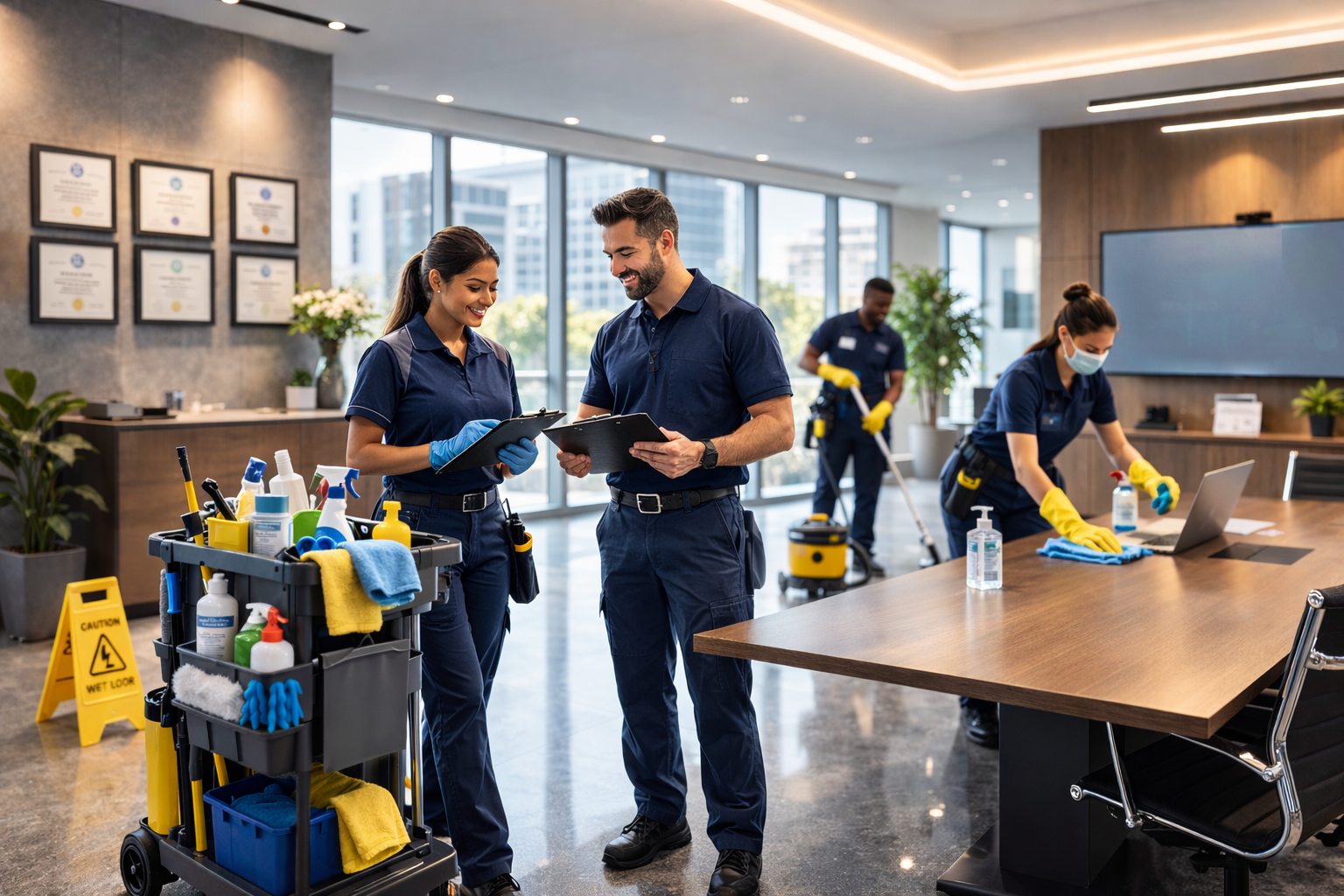
A professional deep clean isn’t just a quick wipe-down—it’s a carefully choreographed process where every surface, crevice, and hidden corner is tackled with meticulous attention to detail.
For example, here at Roochii Cleaning, in just one room, a deep clean might involve:
- Dusting ceiling fans, blinds, and moldings – 15-30 minutes
- Vacuuming furniture crevices and under cushions – 15-45 minutes
- Wiping down baseboards, door handles, and light switches – 10-20 minutes
- Scrubbing floors and deep-cleaning carpets/rugs – 20-60 minutes
Each task adds up, making cleaning a time-intensive endeavor rather than a simple, quick routine.
A professional cleaner may spend 45 minutes or more on just one room, especially if it requires stain removal, pet hair cleanup, or grease elimination.
How Media Creates Unrealistic Cleaning Expectations
1. The “Montage Effect” in Movies & TV Shows
The portrayal of cleaning tasks in movies and TV shows often employs montage sequences to condense time and simplify complex activities, creating an impression that such chores are quick and effortless.
This cinematic technique can influence viewers’ perceptions, making them underestimate the actual time and effort required for real-life cleaning tasks:
Scrubbing kitchen grease buildup (can take 30+ minutes)
Removing stains from upholstery (often requires multiple cleaning steps)
Disinfecting high-touch areas like door handles and light switches
2. The “Before and After” Illusion on TV Makeover Shows
Home makeover shows often portray dramatic transformations that seem to happen in a single afternoon. But behind the scenes, professional cleaners, organizers, and decorators spend days working on the space.
For instance:
“Clean House” was a reality television series that aired from 2003 to 2011. The show featured a team of experts, including a host, designer, yard sale coordinator, and a “go-to guy” (handyman), who collaborated to declutter, clean, and renovate homes. Each episode showcased the team’s comprehensive approach to transforming cluttered spaces, emphasizing that such makeovers require significant time and professional assistance.
The reality?
Dusting blinds alone can take 15-30 minutes per set.
Deep-cleaning a small kitchen may take 1.5-3 hours (including scrubbing appliances and floors).
Cleaning an entire home can take 8+ hours, not just 30 minutes of TV time.
These misleading portrayals set unrealistic expectations, making real cleaning feel like it’s taking too long when, in fact, it’s simply thorough.
How Product Advertisements Trick Us into Thinking Cleaning Is Fast
1. The Illusion of “Instant Clean” Products
Cleaning ads show stains disappearing instantly, making people believe that a simple spray or wipe eliminates dirt effortlessly. In reality:
- Cleaning products need “dwell time” to break down grime before wiping.
- Tough stains often require multiple treatments.
- Surfaces need scrubbing, not just a single swipe.
For example, while a degreaser might loosen kitchen grime, you’ll still need to scrub for 10-20 minutes to remove stubborn buildup completely.
2. The “Effortless Cleaning” Myth
Marketing often suggests that if cleaning feels like hard work, you’re doing it wrong. But in reality:
- Scrubbing grout, removing pet hair, and deep-cleaning carpets are labor-intensive tasks.
- Even high-tech vacuums and steam mops require time and effort.
- No single cleaning product can replace detailed hand-cleaning.
This false promise of effortless cleaning causes frustration when real cleaning takes far longer than a TV commercial suggests.
Convenience Culture and the Demand for Speed
1. Why Modern Society Prioritizes Fast Results
Today’s fast-paced world has conditioned us to expect instant results—from one-day shipping to on-demand streaming. Naturally, we assume cleaning should be just as quick.
This leads to:
- People rushing through cleaning tasks, missing key areas.
- Shortcuts like air fresheners instead of deep cleaning.
- Disappointment when cleaning takes longer than expected.
2. The Shift from Deep Cleaning to Surface Cleaning
With work, family, and social commitments, deep cleaning often takes a back seat. Many rely on:
- Quick surface wipes instead of detailed scrubbing.
- Robot vacuums and automatic cleaners.
- Professional cleaning services for deep cleans.
While these solutions help maintain cleanliness, they don’t replace the need for thorough, time-intensive cleaning sessions.
How Long Does a Deep Clean Actually Take?
A deep clean isn’t a quick task—here’s a realistic estimate of cleaning times:
| Cleaning Task | Estimated Time (Per Task) |
|---|---|
| Dusting ceiling fans and blinds | 15-30 minutes |
| Scrubbing kitchen appliances | 1-2 hours |
| Deep-cleaning bathrooms | 45-90 minutes per bathroom |
| Vacuuming and mopping floors | 30-60 minutes |
| Cleaning under and behind furniture | 20-40 minutes per room |
| Entire home (2-3 beds, 2 baths) | 4-8 hours |
If a cleaning crew works together, time can decrease, but thoroughness is key—rushing leads to missed areas and incomplete cleaning.
Conclusion: Cleaning Takes Time, and That’s Okay
The belief that cleaning should be quick and effortless is fueled by media portrayals, marketing tricks, and modern convenience culture. But in reality:
- Deep cleaning is a meticulous, time-intensive process.
- Cleaning products don’t work instantly—they require time and effort.
- Setting realistic expectations can improve cleaning results and reduce frustration.
Rather than rushing through cleaning tasks, embrace the choreographed nature of deep cleaning—every dusted blind, vacuumed rug, and scrubbed floor contributes to a healthier, fresher space.
So the next time cleaning takes longer than expected, remember: Quality cleaning isn’t rushed—it’s done right! ✅✨
FAQ
Common Questions About Deep Cleaning Time
A 3-bedroom, 2-bathroom home typically takes 4-8 hours with one cleaner or 2-5 hours with a team.
It includes tasks beyond surface cleaning, like scrubbing grout, vacuuming furniture crevices, and disinfecting high-touch areas.
Yes, but thorough deep cleaning still requires time—even professionals take hours to do it properly.
- Declutter first
- Use the right cleaning tools
- Follow a step-by-step cleaning checklist