Where to Start Cleaning: Fast & Easy Tips for a Tidy Home

Where To Start Cleaning
Even before you start cleaning, a feeling of overwhelm might already hit you. You become stressed about where to start cleaning. Should you begin with the kitchen? The bathrooms? Or maybe just tackle the messiest area first? Is there even a proper cleaning order in the first place?
The truth is, there is a proper order, and following it can make the entire process faster and more effective. Instead of jumping from room to room, a strategic approach allows you to clean efficiently without doubling your workload.
This guide will break down the best way to approach cleaning so you can clean smarter, not harder.
Table of Contents
Why Following the Right Cleaning Order Matters
Many people start cleaning their homes without a clear, specific plan. Sometimes, we clean with just the idea of removing eye sores or making things look better, but we end up feeling overwhelmed and frustrated when the mess keeps piling up elsewhere.
This will be a problem because according to an article from BeWell Stanford, clutter limits our ability to focus. So instead of being able to be more efficient in cleaning, there’s a higher chance that you’ll just abandon the cleaning process altogether. This just leads to either wasted effort or extra work.
By following a structured cleaning routine, you eliminate redundant work, reduce frustration and overwhelm, and get visible results faster.
How To Make Cleaning More Efficient
 Declutter before cleaning
This is so you can clean more effectively.
Clean high-traffic areas first
This is so you can reduce mess buildup in the busiest spaces, making instant visual impact.
Start from the least dirty area in each room
This is so you can keep your supplies cleaner and to avoid cross-contamination.
Follow a top-to-bottom approach
This is so dust and dirt won’t resettle.
Common Mistakes That Make Cleaning Harder
- Cleaning floors before wiping down furniture: The dust will simply fall and make the floor dirty again, so you have to clean the floors twice.
- Using the same cloth for many areas: If you use only one cloth to clean all areas, you spread germs instead of removing them. Research from the Food Standards Agency shows that the cloth we use to clean can hold onto bacteria, leading to cross-contamination.
- Ignoring clutter: Cleaning around clutter slows you down and makes it harder to wipe and clean surfaces thoroughly.
How to Decide Where to Start Cleaning
So how do you decide where to start your mission to rid your home of dirt and clutter? The key is to focus on the areas that get dirty the fastest. Starting with high-traffic areas or areas used most often is the best way to clean, as it prevents messes from spreading and makes the most noticeable results. This is important because seeing instant results increases motivation, as proven by a study by Kaitlin Woolley, a consumer motivation expert.
How to Identify the Dirtiest Areas in Your Home
The dirtiest areas in your home aren’t always the ones that look messy. Sure, maybe your bedroom looks chaotic because your stuff is all over, or your laundry area keeps piling up with clothes, but that doesn’t mean they’re the dirtiest spots in your home.
Factors like moisture levels and daily use all contribute to dirt buildup. Identifying these areas first ensures that you clean smarter, not harder, tackling the spaces that make the biggest impact on your home’s overall cleanliness.
Here are some of the biggest dirt and bacteria hotspots in your home and some best strategies to tackle them:
Bathroom: Mold and germs’ favorite
Compared to any other room in our house, we use our bathrooms the most. It has constant exposure to our germs, mixed with moisture and bacteria. It’s the perfect place for mold and germs to thrive. They grow in moist areas, so even if the place looks clean, it still has bacteria or mold spores.
Here are essential tips to keep your bathroom mold and germ-free:
Use an exhaust fan or open windows after showers to improve ventilation
Dry surfaces after use to reduce any buildup of moisture
Kitchen: The busiest area
The kitchen is busy every day. It’s a place where food spills, grease, and bacteria accumulate quickly. Even if you clean up and declutter after cooking, germs can still linger. In fact, research by the National Sanitation Foundation found that kitchen items, including sponges and sinks, usually have more bacteria than other household items.
To keep your kitchen clean, apply the following strategies:
Wipe down counters and sweep the floors daily
Clean up spills immediately to avoid any stains or sticky messes
Always put your pans and utensils in the right places daily
High-Touch Surfaces: The most overlooked area
One part of our house that we don’t realize might be the biggest dirt and bacteria hotspot is any high-touch surface. These are items like light switches and doorknobs. They’re often overlooked when cleaning, but due to frequent contact, they’re actually the ones that are most contaminated and need the most attention, as proven by a study from the University of Porto.
To avoid the spread of germs in high-touch areas, follow these strategies:
Make it a habit to wipe down handles and railings
Wash your hands regularly with soap and water to limit germ transfer
Which Room Should You Start Cleaning First?
The most reasonable approach to cleaning your home is to begin with the areas with the most dirt and bacteria. Choosing the right room to clean can make or break your cleaning routine, so think about it thoroughly.
Your best bet is to start with the bathroom, then move to less dirty areas. Here’s the best order to clean your home:
1. Start with the Bathroom (Most Germs, Instant Impact)
The bathroom may not be the most enjoyable place to clean, but it needs the most attention. It’s one of the dirtiest rooms because it’s where we handle all our hygiene tasks.
Since water is involved in everything we do in there, moisture lingers, which makes it the perfect place for bacteria and mold. If left uncleaned, germs spread quickly, making the bathroom a top priority. Cleaning it gives you a fresh start while you have the most energy.
To clean the bathroom efficiently:
Disinfect
Because they’re the ones always in use, they collect bacteria, soap scum, and grime fast. Use an antibacterial cleaner or a disinfectant to scrub surfaces thoroughly. Studies from the Association for Professionals in Infection Control have shown that cleaning with a disinfectant greatly reduces the presence of viruses and bacteria.
Wipe high-touch areas
Faucet handles, light switches, and doorknobs are bacteria-ridden spots. A quick wipe with disinfectant spray keeps germs at bay. Make it a habit to always wash your hands upon entering and before leaving the bathroom.
Ventilate to prevent mold
According to an article from North Dakota State University, turning on the exhaust fan effectively lowers humidity levels, reducing moisture buildup during and after your showers. If you notice mold starting to form, scrub it with hydrogen peroxide as it can work against common household mold, as shown in a 2013 study.
Wash towels and bath mats frequently
Damp fabrics trap bacteria, so wash bath towels every three days and clean bath mats weekly in hot water.
2. Move to the Kitchen (High Traffic Area)
No one wants a dirty kitchen, so we clean after we cook. But even if we do, the kitchen continues to be one of the dirtiest areas in the home. Food spills and bacteria pile up quickly, especially on sinks and appliances like dishwashers. To keep things truly clean, it’s important to go beyond surface-level wiping.
Since it’s a high-traffic space, regular deep cleaning is essential to keep it sanitary.
To clean the kitchen efficiently:
Sweep and mop floors
Crumbs and grease build up fast, and even if you clean them, bacteria may be left behind. Use a disinfectant mop solution for extra cleanliness.
Replace sponges and towels regularly
Your kitchen sponges can hold 54 billion bacteria per cubic centimeter, according to research by Science News. These are both harmless and potentially pathogenic species. Change them every one to two weeks, and wash dish towels every three days in hot water.
Refresh with baking soda
Keep an open box of baking soda in the fridge to absorb odors and replace it monthly. This works because baking soda reacts with the acids in your fridge, neutralizing their smells.
To keep things truly clean for your kitchenware and appliances, check out our guide on how to clean your dishwasher properly.
3. Take on the Living Areas (Clutter Spots)
Living areas like the living room, dining room, and entryway aren’t as germ-prone as the kitchen and bathroom, but they are where clutter and dust build up. These spaces are used on the daily, and are even where guests and family gather.
To do a quick refresh in your living areas:
Declutter First
Remove misplaced items like shoes and dishes to make cleaning easier and prevent dust buildup. It also helps make you feel like you’re making a lot of progress.
Vacuum and mop floors
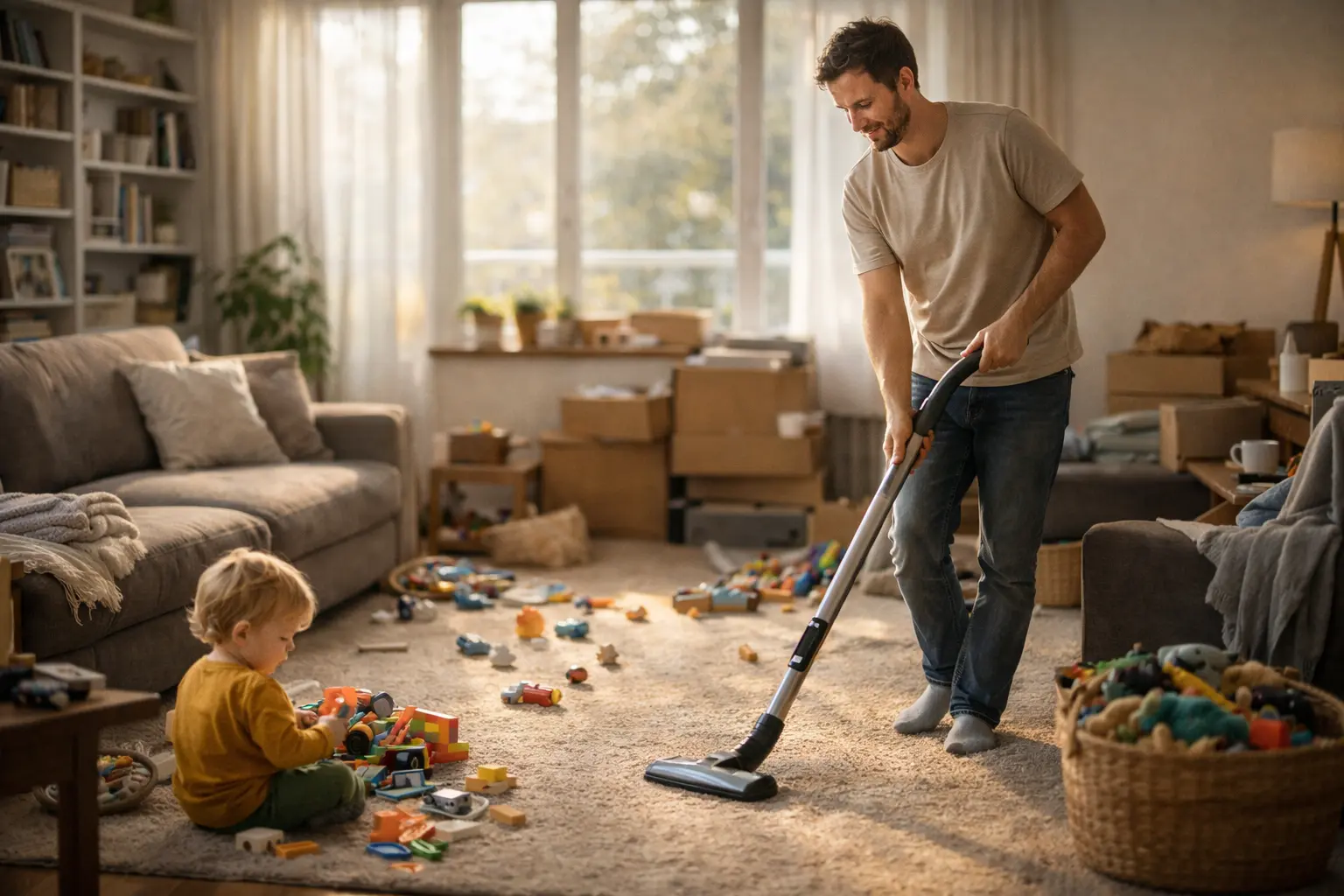
A study from the Norwegian Institute of Public Health showed that carpets and rugs collect dust and allergens more than smooth floors, so it’s important to vacuum carpets and rugs at least twice a week and deep clean them monthly to remove dirt.
Clean under couches and furniture
Dust, crumbs, and pet hair gather in areas we don’t see. Move furniture occasionally to vacuum and sweep underneath.
4. Finish with the Bedrooms (Low Traffic, Personal Space)
Bedrooms aren’t the dirtiest areas in your home because they have less foot traffic. But dust still accumulates on surfaces. Since the bedroom is where you rest and recharge, keeping it clean helps improve air quality and promotes better sleep.
To have a cleaner and fresher bedroom:
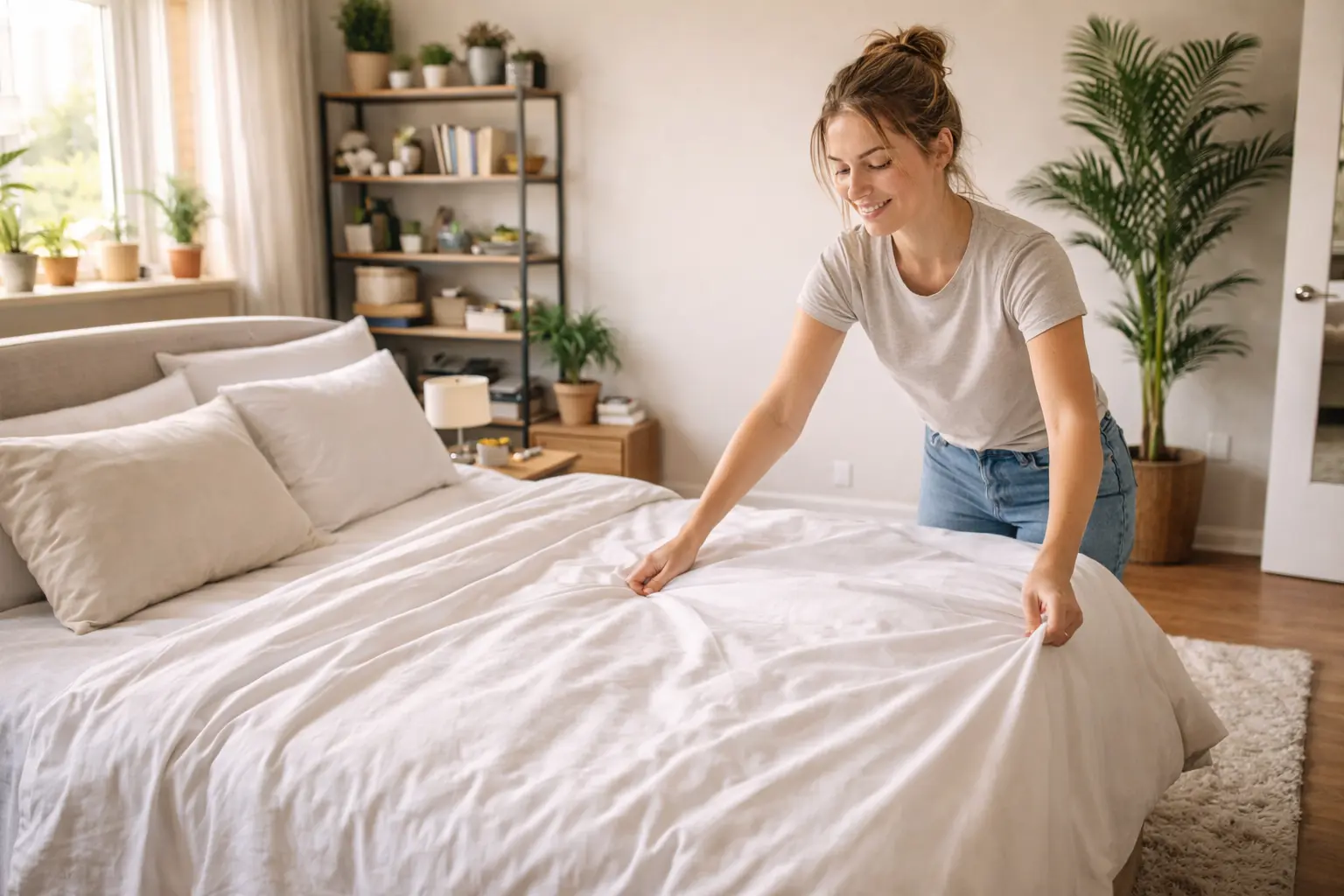
Change bed linens weekly
Sheets, pillowcases, and blankets collect sweat, dust mites, and allergens. Washing them in hot water removes bacteria and improves air quality.
Dust and wipe surfaces
Use a microfiber cloth to trap dust instead of spreading it into the air because they have synthetic fibers that attract and hold dust and dirt.
Vacuum under the bed
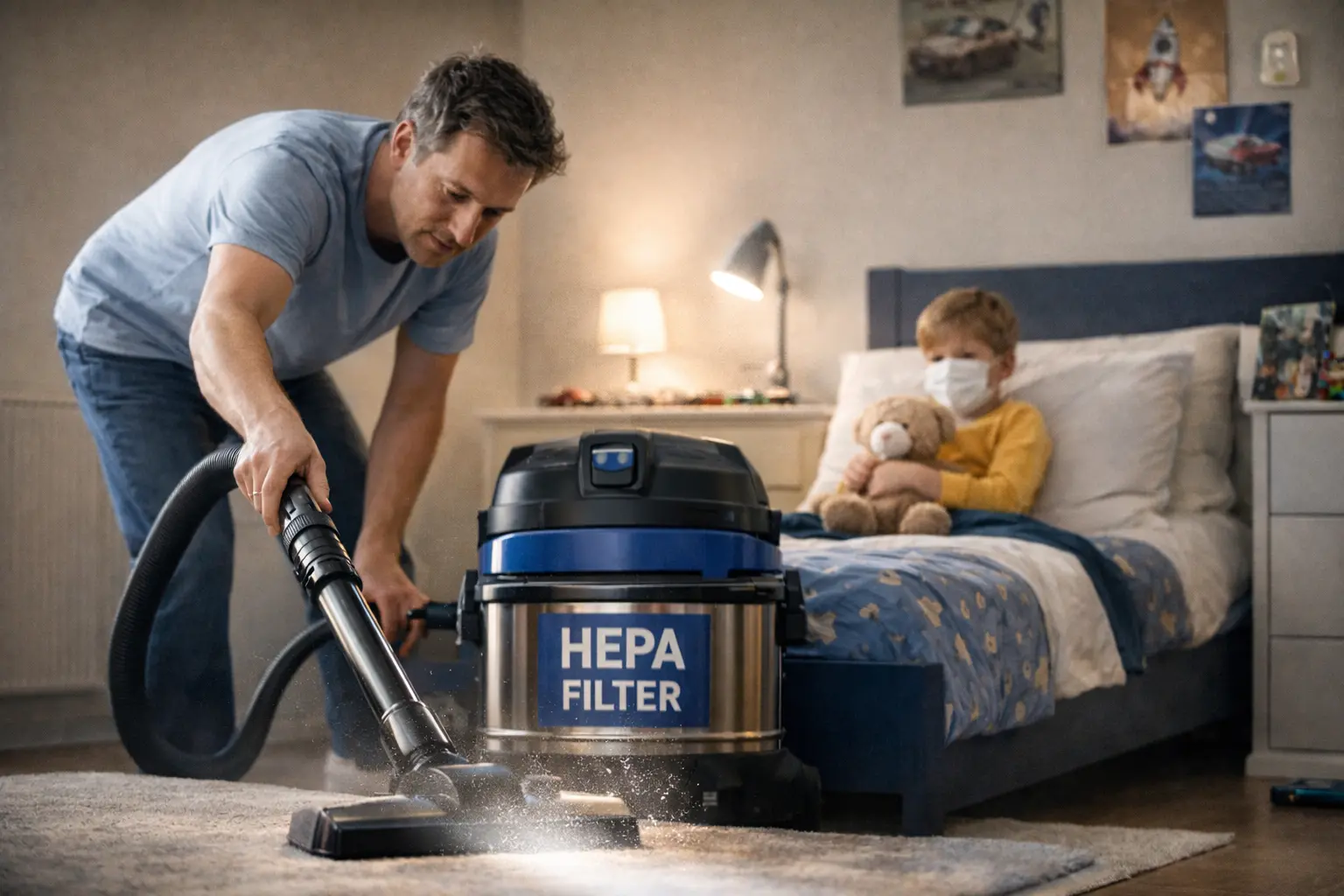
The space under your bed is often overlooked, so it’s possible that the dust and dirt have gathered over time. Use a vacuum with a HEPA filter to capture fine particles. Research has continuously shown that HEPA-filtered vacuuming reduces surface dust significantly, so it is an effective way to clean your bedroom completely.
If you’re getting ready for visitors, moving in or out, or just need help catching up, Roochii Cleaning offers home cleaning and deep cleaning services that focus on the often-missed details—like high-touch surfaces and areas under furniture. For those nearby, Roochii Cleaning in Denver provides local support to keep your space clean and comfortable.
Which Room Should You Clean First?
“Roochii Cleaning’s easy-to-follow table shows the best order to clean your home—starting with high-germ areas and finishing in low-traffic rooms—for maximum efficiency and hygiene.”
| Order | Room | Reason (Why Clean First?) |
|---|---|---|
| 1 | Bathroom (Most Germs) | Highest priority due to hygiene concerns. Handles most germs. |
| 2 | Kitchen (High Traffic) | High traffic area, prone to food spills, dirt, and bacteria. |
| 3 | Living Areas (Clutter Spots) | Collect clutter and dust quickly; tidy these after cleaning germ-prone areas. |
| 4 | Bedrooms (Low Traffic) | Lowest foot traffic; dust still accumulates, impacts sleep and air quality. |