Magic Eraser on Glass Stove Top: Is It Safe or Will It Scratch?
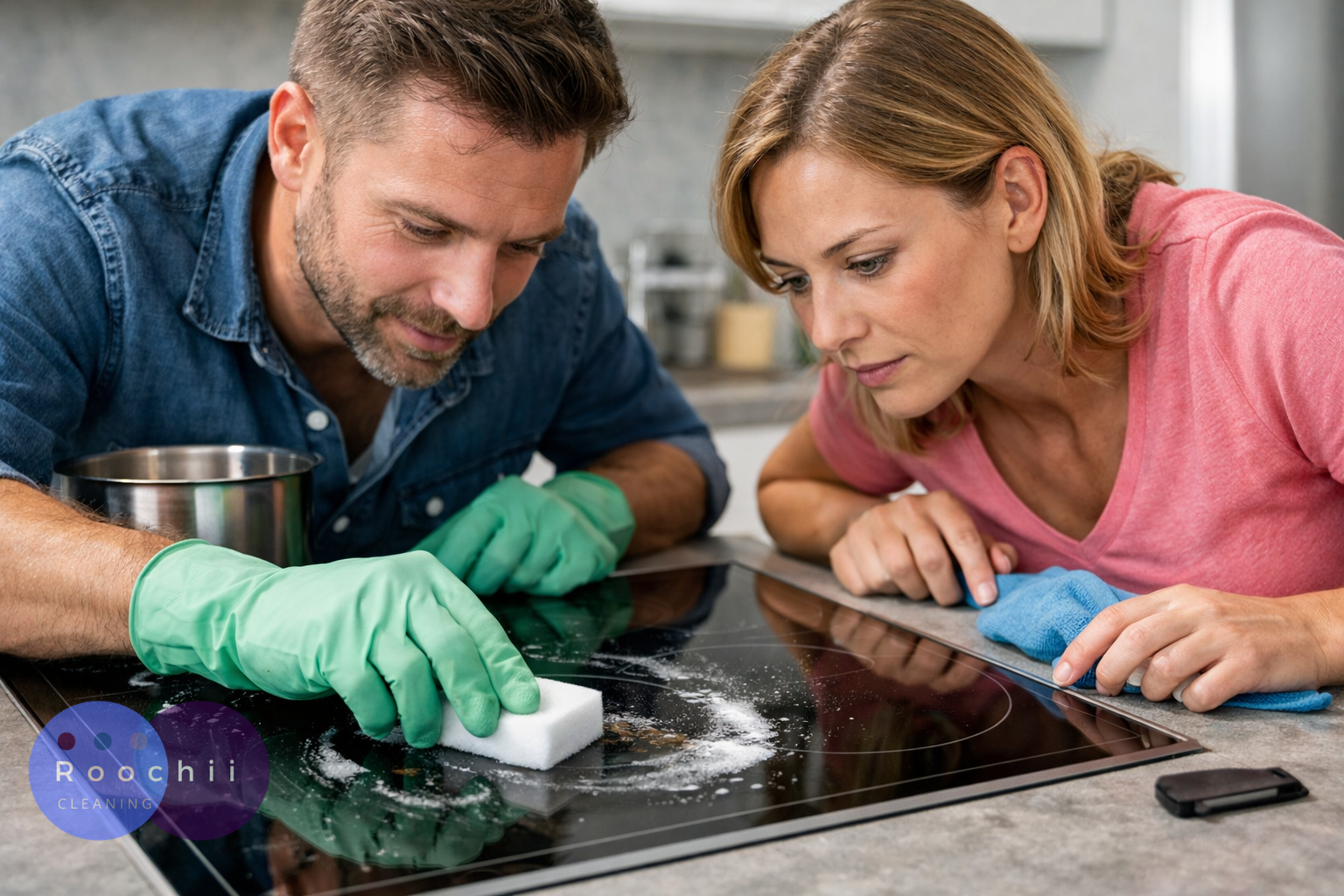
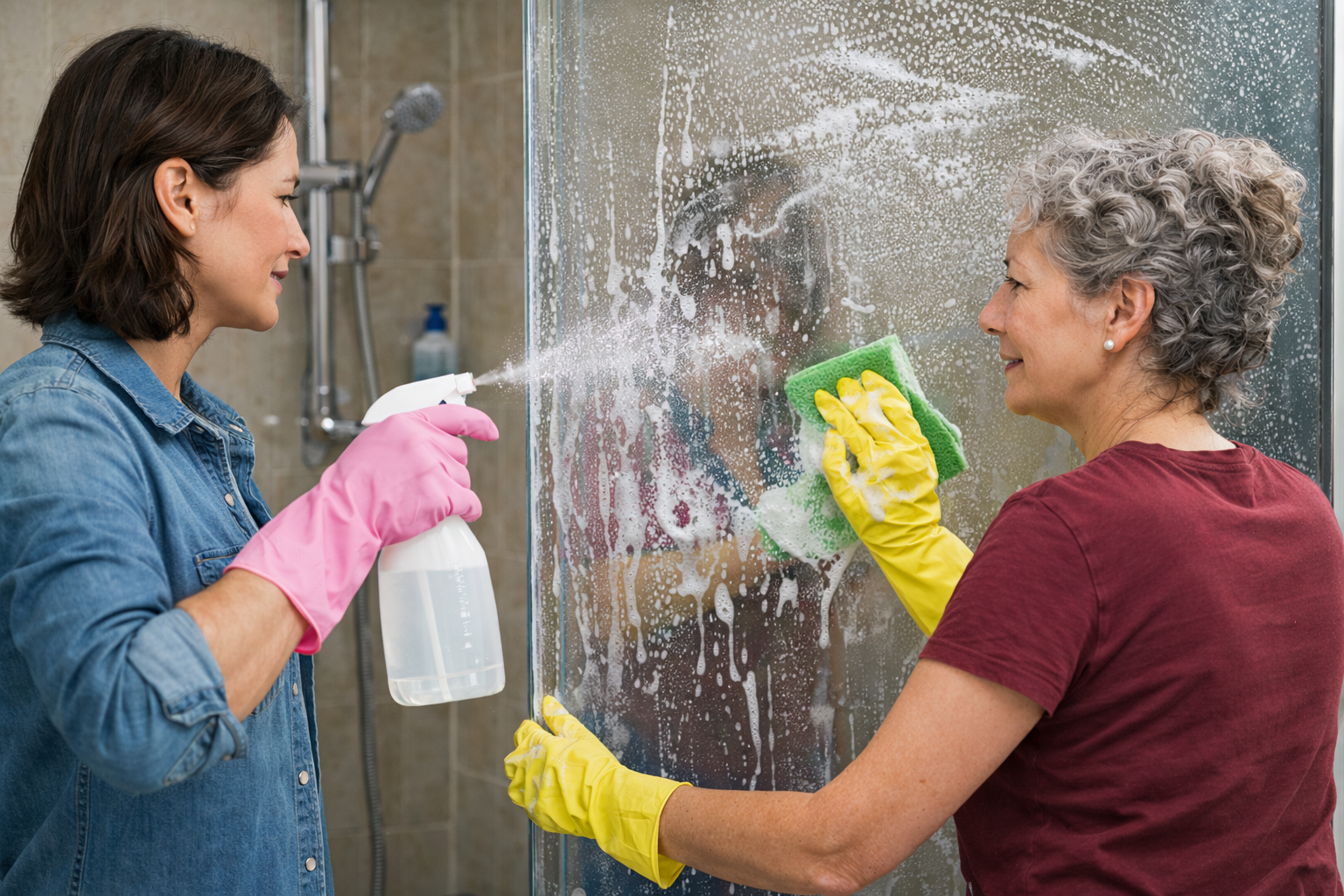
Person cleaning a glass stove top using a Magic Eraser sponge to remove burnt residue while another person watches closely in a kitchen.

Why People Use a Magic Eraser on Glass Stove Top for Tough Kitchen Stains

Burnt sauce. Grease splatters. That stubborn ring of residue that refuses to budge.

Glass stove tops look sleek when clean, but they can quickly collect stains that seem glued to the surface. Like other cooking surfaces, they require regular care, especially when cleaning a gas stove top.

When regular wiping stops working, many people look for a quick fix. One popular option is using a Magic Eraser on glass stove top surfaces. The sponge promises to remove grime with very little effort. That sounds appealing when stubborn cooking residue refuses to come off.

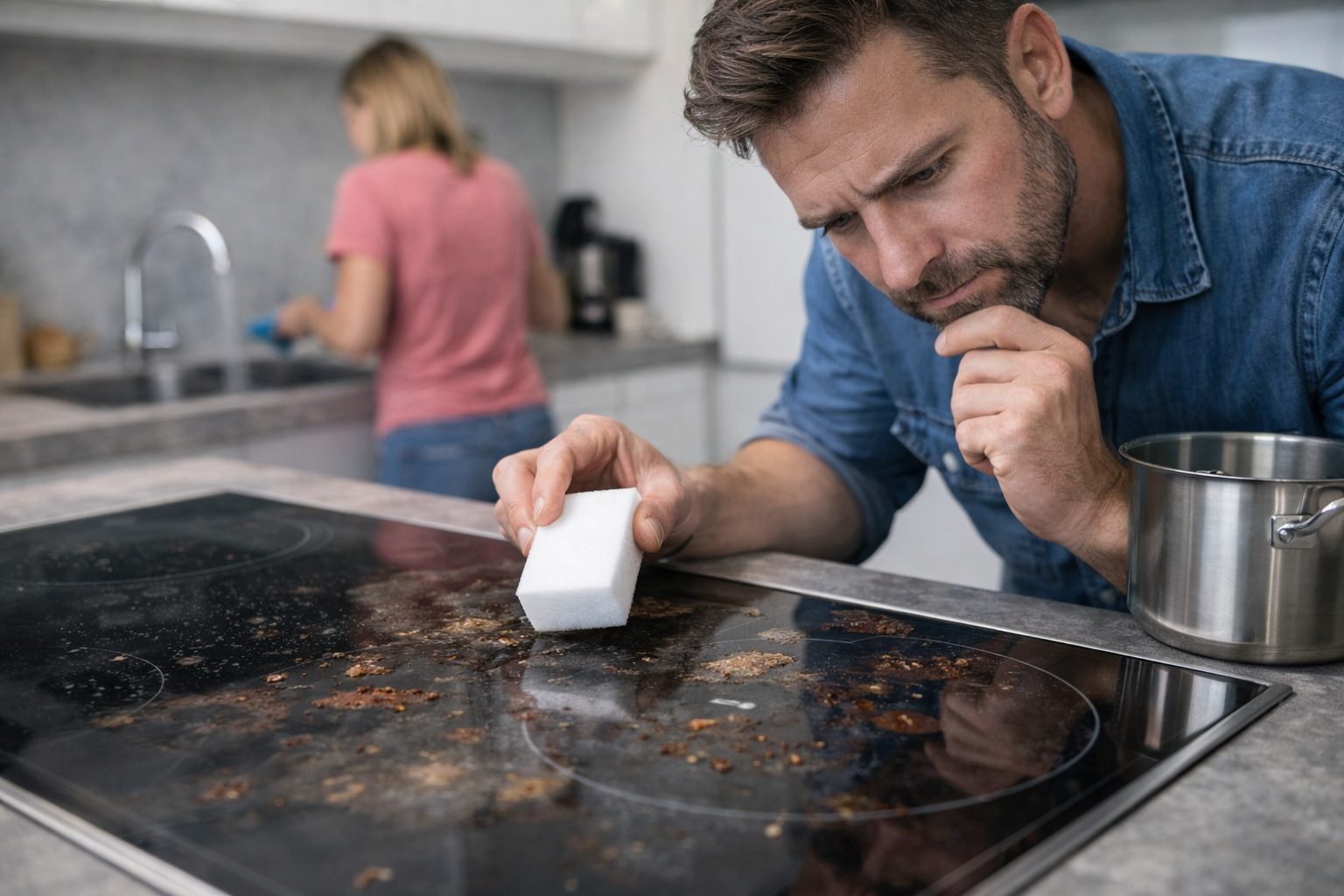
But there is also concern. Magic Erasers are slightly abrasive, and some homeowners worry they could scratch the smooth glass surface of a cooktop.

This article explains what actually happens when you use a Magic Eraser on a glass stove. You will learn when it is safe, how to clean properly, and what methods work better for tough stains. By the end, you will know exactly how to clean your cooktop without damaging it.

Table of Contents

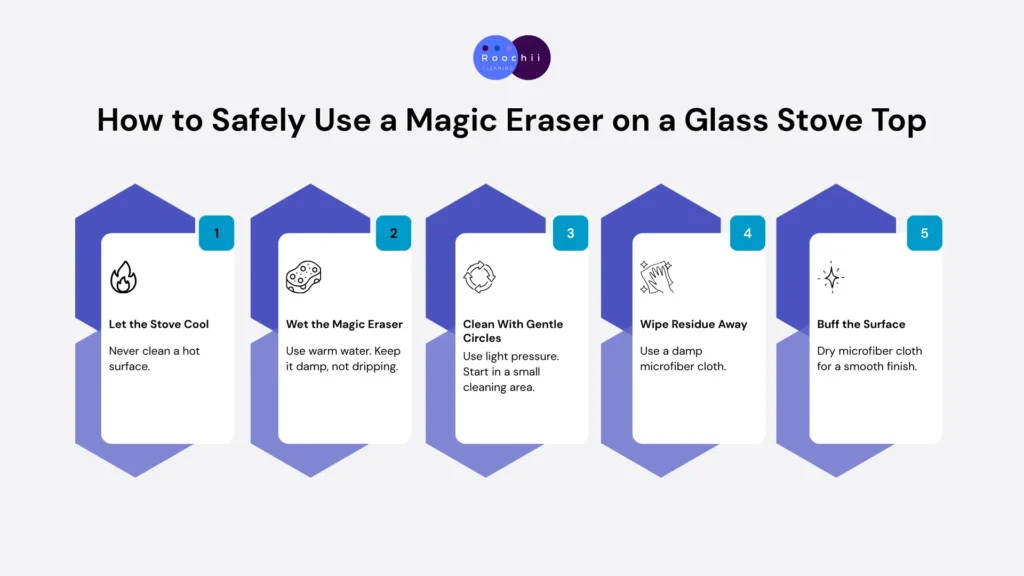
Step-by-step process showing how to safely use a Magic Eraser on glass stove top surfaces to remove grease and stains without scratching.

Can You Use Magic Eraser on Glass Stove Top?

The Short Answer: Yes, With Important Precautions

Yes, you can use a Magic Eraser on glass stove top surfaces in many situations, especially if you already understand the basics of using a Magic Eraser on glass surfaces. The sponge can remove grease, light stains, and residue without using harsh chemicals.

However, Magic Erasers are mildly abrasive, which means careless use could leave faint scratches on delicate surfaces.

When used gently and with water, they are usually safe for everyday cleaning.

Why Some Manufacturers Warn Against It

Many appliance manufacturers recommend avoiding abrasive cleaners. 

Some manufacturers include this warning because repeated abrasion can gradually wear down the protective surface of a glass cooktop. Even very fine abrasives can dull the finish over time if used frequently or with heavy pressure. For this reason, appliance manuals often recommend cleaners designed specifically for glass cooktops.

Magic Erasers act like extremely fine sandpaper. The abrasive effect is subtle but still present.

Manufacturers often recommend cleaners made specifically for glass cooktops. These products reduce abrasion.

When It Is Generally Safe to Use a Magic Eraser

A Magic Eraser works best for light surface stains.

Situations where it is often safe include:

  • Light grease buildup
  • Water spots
  • Cooking splatter
  • Thin residue from sauces

These stains usually sit on top of the glass and require minimal scrubbing.

When You Should NOT Use a Magic Eraser on a Glass Cooktop

There are cases where a Magic Eraser should not be your first option.

Avoid using it for:

  • Deep burnt sugar stains
  • Metal transfer marks from cookware
  • Already scratched surfaces
  • Heavy burnt food buildup

These problems often require specialized cooktop cleaners or scraping tools.

Why Magic Erasers Work: The Science Behind Melamine Foam

What a Magic Eraser Is Made Of

Magic Erasers are made from melamine foam. This material forms a rigid but lightweight structure filled with microscopic air pockets.

The foam creates a network of tiny abrasive edges. When wet, these edges act like a very fine scrubbing surface.

That is why the sponge can remove stains using only water.

How Melamine Foam Cleans Glass Surfaces

When you rub the sponge across a surface, the foam gently scrubs away dirt.

This micro-scrubbing action removes:

  • grease
  • soap residue
  • burnt food particles
  • stubborn stains

The process works mechanically instead of chemically. The sponge breaks up debris so it can be wiped away.

Why Magic Erasers Can Scratch Some Surfaces

Although the foam feels soft, it still creates friction.

Scratches can occur if:

  • heavy pressure is used
  • the sponge is used dry
  • debris gets trapped under the sponge

Glass cooktops are durable but not immune to abrasion.

Glass Stove Top Materials Explained

Most cooktops are not standard window glass. They are made from ceramic glass designed to handle heat and expansion.

Ceramic glass is designed to withstand high temperatures and rapid heating changes, which is why it is commonly used in electric and induction cooktops. However, while it resists heat extremely well, it can still be scratched by abrasive materials or trapped debris during cleaning.

Common types include:

  • Ceramic glass cooktops used in electric stoves
  • Tempered glass surfaces found in some modern appliances
  • Induction cooktops which also use ceramic glass panels

These materials resist heat well but still require careful cleaning.

How To Safely Use a Magic Eraser on Glass Stove Top

Supplies You Need

You only need a few items:

  • Magic Eraser sponge
  • Warm water
  • Microfiber cloth
  • Cooktop cleaner if stains remain

Avoid adding strong cleaners to the sponge.

Step-by-Step Cleaning Instructions

Follow a simple method to avoid scratching.

Step 1: Let the Cooktop Cool Completely

Never clean a hot cooktop. Heat can weaken the sponge and make residue harder to remove.

Allow the surface to cool before starting.

Step 2: Wet the Magic Eraser Properly

Run the sponge under warm water. Squeeze out excess moisture, but keep it damp. The sponge should feel soft and flexible, not dripping.

A dry Magic Eraser increases friction and scratch risk.

Step 3: Use Gentle Circular Motions

Rub the stained area with light pressure.

Work in small circular motions. Focus only on the stained area instead of scrubbing the entire surface.

Step 4: Wipe Away Residue

Use a damp microfiber cloth to remove loosened dirt and sponge residue.

This prevents streaking on the cooktop.

Step 5: Buff the Surface With a Microfiber Cloth

Finish by buffing the cooktop with a dry microfiber cloth.

This step restores the smooth finish of the glass.

Cleaning Technique That Prevents Scratches

To reduce damage risk:

  • Use minimal pressure
  • Keep the sponge damp
  • Clean small sections at a time

Gentle cleaning works better than aggressive scrubbing.

Magic Eraser vs Other Glass Stove Top Cleaning Methods

Cleaning Method Comparison Table

Different cleaning tools vary in scratch risk, cost, and effectiveness. The comparison below shows when each method works best for glass stove top cleaning.

Cleaning Method

Scratch Risk

Cost

Effectiveness

Best For

Magic Eraser

Medium

Low

High

Grease and residue

Baking Soda

Low

Very Low

Medium

Mild stains

Cooktop Cleaner Cream

Very Low

Medium

Very High

Heavy buildup

Razor Scraper

Medium

Low

High

Burnt food

Each cleaning method serves a different purpose depending on the type of stain and how long the residue has been on the cooktop. Magic Erasers are usually effective for removing grease, light cooking splatter, and surface stains. 

However, heavier burnt residue often requires a cooktop cleaning cream or a scraper designed specifically for glass surfaces. Choosing the right method helps prevent unnecessary scrubbing and reduces the risk of scratching the cooktop.

When Magic Eraser Works Best

A Magic Eraser is useful for quick cleanup.

It works well when you want to remove:

  • cooking grease
  • small stains
  • thin food residue

It is also convenient because it requires only water.

When a Cooktop Cleaner Is the Better Option

Cooktop cleaning creams are safer for deep stains.

They are designed specifically for ceramic glass surfaces. These cleaners polish the surface while removing stubborn residue.

For heavy burnt marks, cooktop cream usually works better.

How to Remove Tough Burnt Stains From a Glass Cooktop

Baking Soda and Vinegar Method

This method works well for moderate stains.

Steps:

  1. Sprinkle baking soda on the stain
  2. Spray vinegar over the area
  3. Place a damp cloth on top
  4. Let it sit for 10 to 15 minutes
  5. Wipe clean with a cloth

The mixture loosens baked-on residue.

Cooktop Cream Method

Cooktop cleaning cream is designed for glass surfaces.

Apply a small amount and rub with a soft cloth. The cleaner breaks down residue without harsh abrasion.

Buff the surface afterward for a smooth finish.

Razor Blade Scraper Method

A cooktop scraper removes burnt food that sits above the glass surface.

Hold the blade at a shallow angle and gently slide it across the stain.

This method works best for hardened food spills.

Combining Methods for Stubborn Residue

Some stains require more than one technique.

A common sequence is:

  1. Scrape burnt residue
  2. Apply cooktop cleaner
  3. Finish with light wiping

This layered approach removes buildup without damaging the surface.

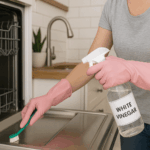
Common Mistakes When Using Magic Eraser on Glass Stove Top

Many scratches on glass cooktops occur not because of the Magic Eraser itself, but because of how it is used. Small mistakes, such as scrubbing too hard or cleaning a hot surface, can increase friction and damage the glass.

Understanding the most common errors can help you clean effectively while protecting the cooktop surface.

Magic Eraser on Glass Stove Top infographic showing five common mistakes: using it dry, scrubbing too hard, cleaning a hot stove, removing burnt sugar, and using a worn sponge.

Using It Dry

A dry sponge increases friction and may scratch the cooktop.

Always dampen the sponge before cleaning.

Applying Too Much Pressure

Many people scrub harder when stains resist removal.

Strong pressure increases abrasion and raises the risk of scratches.

Cleaning a Hot Cooktop

Cleaning a warm cooktop can cause residue to bake into the glass surface.

Always wait until the stove cools completely.

Using Magic Erasers on Deep Burn Marks

They work best on light surface residue, not heavy burnt buildup.

In those cases, scraping tools or cooktop cleaners work better.

Overusing the Sponge

Magic Erasers wear down quickly.

As they break apart, loose particles can increase scratching.

Replace the sponge once it begins to crumble.

Magic Eraser Testing: Does It Actually Scratch Glass Cooktops?

Light Grease Test

When used on light grease stains, the Magic Eraser removed residue quickly with minimal pressure. In most cases, the grease lifted without leaving visible marks on the glass surface.

No visible scratches appeared after wiping.

Burnt Sauce Test

Burnt sauce stains required slightly more effort.

The sponge removed most of the stain but struggled with thicker residue.

Stain Removal Results

The sponge performed well on:

  • grease splatter
  • dried sauces
  • thin residue

Heavy burnt layers required additional cleaning methods.

Scratch Inspection Results

When used damp and gently, scratches were not visible to the eye.

Aggressive scrubbing increased the risk of fine marks.

Gentle pressure and a damp sponge greatly reduce scratch risk.

These observations suggest that a damp Magic Eraser can safely remove many common cooking stains when used with light pressure. However, the sponge works best on surface residue rather than deeply burned food. 

For tougher buildup, combining gentle cleaning with cooktop cream or a scraper usually produces better results while protecting the glass surface.

Tips to Keep Your Glass Stove Top Clean Longer
Glass cooktops stay in better condition when small spills are cleaned before they have time to harden. Grease and food residue can quickly bond to the surface once exposed to heat. 

A simple routine of light daily cleaning and occasional deeper maintenance helps prevent stubborn buildup and reduces the need for aggressive scrubbing later.

Daily Cleaning Routine

Wipe the cooktop after cooking. A quick wipe prevents residue from hardening.

Daily maintenance takes less than a minute:

  • Wait for the cooktop to cool
  • Wipe with a damp microfiber cloth
  • Dry the surface with a clean towel

Weekly Deep Cleaning

Once a week, clean the surface thoroughly to remove grease, cooking residue, and buildup that regular wiping may miss, just as you would when cleaning your dishwasher.

Use cooktop cleaner or mild soap to remove hidden buildup.

Spill Prevention Tips

Food spills are easier to remove when fresh.

Clean spills immediately after the surface cools.

Cookware That Prevents Scratches

Choose cookware with smooth flat bottoms.

Avoid dragging heavy pots across the cooktop. Lifting cookware instead of sliding it reduces scratches.


Final Verdict: Should You Use a Magic Eraser on Glass Stove Top Surfaces?

Using a Magic Eraser on glass stove top surfaces can work well for everyday cleaning.

The sponge removes grease and light stains with minimal effort. Still, technique matters. Always use a damp sponge, apply light pressure, and avoid scrubbing stubborn burnt residue.

For heavier stains, cooktop cleaners and scraping tools often work better. Combining these methods keeps the glass surface smooth and damage-free.

Regular cleaning is the best way to protect your cooktop, but if buildup becomes difficult to manage, many homeowners rely on professional house cleaning services in Denver for help. A quick wipe after cooking prevents stains from building up and makes future cleaning much easier.

FAQ

Frequently Asked Questions About Magic Eraser on Glass Stove Top

Leave a Reply

Your email address will not be published. Required fields are marked *