How to Clean a Basement in Denver, CO: 8 Foolproof Steps for a Fresh Start

Why Learning How to Clean a Basement Matters
Basements in Denver are a lot like junk drawers. You know they’re there, they’re useful, but opening them reveals a chaotic world of holiday decorations, questionable smells, and a family of spiders.
Unfortunately, Denver’s unique climate doesn’t do your basement any favors. Between fluctuating humidity, snowmelt, and dry, dusty air, these spaces can quickly go from “extra storage” to some sort of a biohazard zone.
So, if you’re wondering how to clean a basement without triggering a minor existential crisis, don’t worry, we’ve got you. This guide walks you through everything you need to know, from dealing with dust and mold to turning your basement into a functional space you won’t be afraid to enter.
1. Understand What Makes Denver Basements Unique
Cleaning any basement is a challenge. However, cleaning a basement in Denver is a very specific challenge. Before you break out the vacuum and the hazmat suit, it helps to understand what you’re actually up against.
A. Climate and Environmental Challenges
Denver’s semi-arid climate is a recipe for dust, dryness, and random pockets of moisture. Snowmelt in spring, torrential rain in late summer, and wildly fluctuating humidity all make basements especially vulnerable to moisture buildup, mold, and mildew, according to the Environmental Protection Agency.
Add in Colorado’s unique geological makeup, and you’ve also got radon to worry about.
According to the Colorado Department of Public Health and Environment, nearly half of all homes here have radon levels above safe thresholds. That’s not a scare tactic; it’s just what happens when your city was built on uranium-rich soil.
B. Essential Tools to Get Started
Before cleaning day arrives, take some time to gather the right gear. Trust us, it makes a difference. You’ll need:
- HEPA vacuum – Regular vacuums just redistribute the dust. HEPA filters trap allergens and fine particles.
- Dehumidifier – A must for Denver basements, especially after rain or snowmelt.
- Mold cleaner or vinegar spray – Natural options are great for mild mildew; commercial cleaners work for the tough stuff.
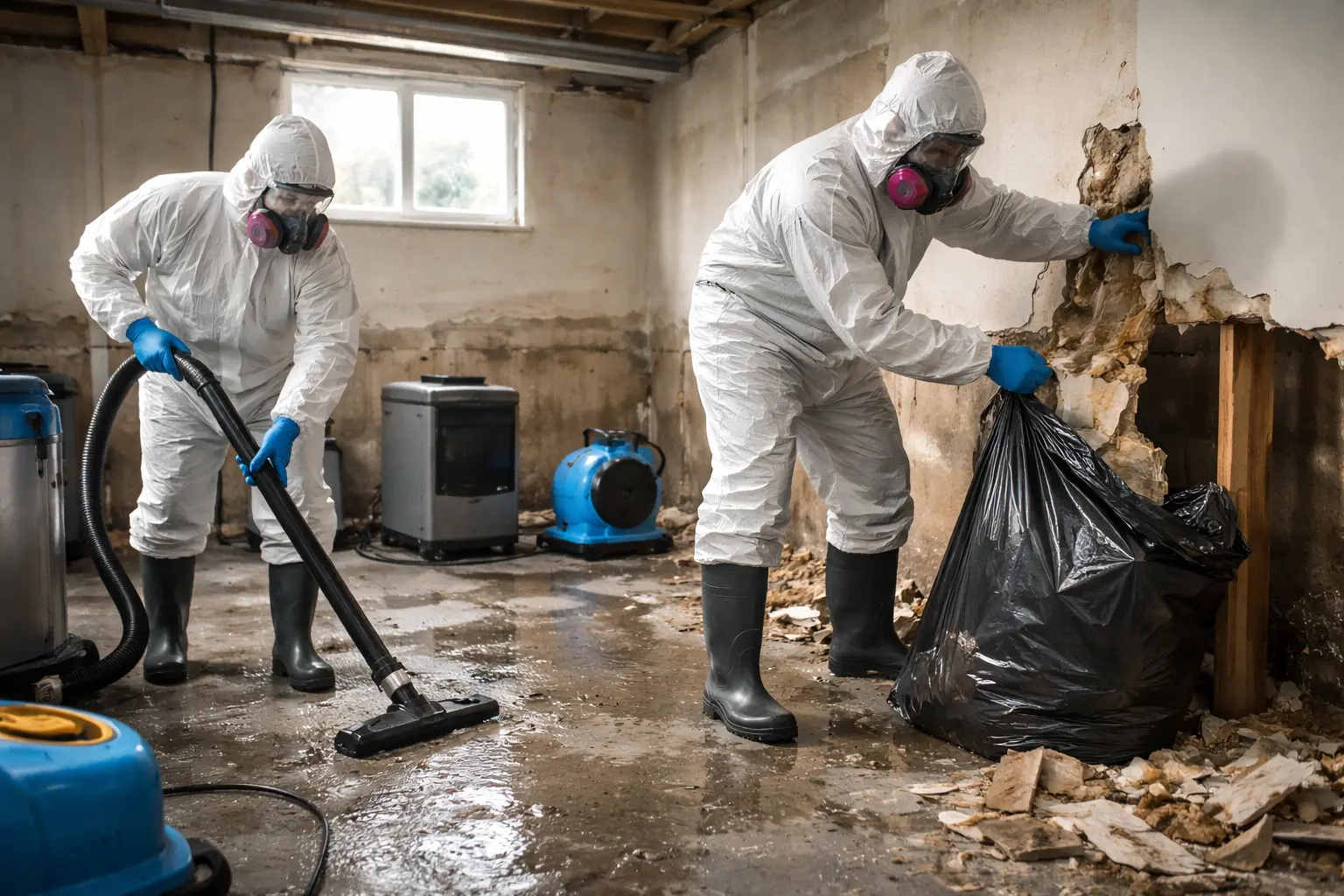
- Protective gloves and masks – Because you never know what’s lurking behind those storage bins.
- Radon testing kit – Cheap and easy to find at local hardware stores or online. If levels are high, call a mitigation specialist.
Also, take 15 minutes to inspect your basement before you start. Look for water stains, cracks in the walls or floor, odd smells, or any signs of pest activity.
2. Define the Purpose of Your Basement
Before you grab a mop or start alphabetizing storage bins, stop and ask yourself: What am I actually using this space for? Because cleaning without a plan is like organizing a party without knowing who’s coming: you end up with a lot of confusion and not enough chips.
A. What Will the Space Be Used For?
In Denver, basements can be anything from glorified closets to fully finished living quarters. And depending on the purpose, your cleaning strategy shifts entirely.
- Storage Room: You’ll need to focus on decluttering and moisture control.
- Home Gym or Studio: You’ll want a clean, dust-free environment with safe flooring, fresh air, and enough open space.
- Family Hangout or Media Room: Vacuuming carpeted floors, washing baseboards, and deep-cleaning upholstery is the way to go.
- Combination Space: You’ll want to organize by zones so workout gear doesn’t end up in your Christmas ornament bin.
B. Plan Around Denver’s Seasonal Changes
Colorado’s seasons are extreme and unpredictable. In the winter, your basement might serve as a cozy retreat. In the summer, it might become a gear dump for camping and hiking equipment.
Recognizing these seasonal shifts can help you rotate storage items efficiently and reduce the chaos. For example:
- Move ski gear and holiday décor to the front of storage zones from October through March.
- Switch to camping and sports equipment as soon as the snow melts (or when the calendar suggests it might).
3. Declutter the Right Way
Decluttering is where most people give up. But honestly, it’s also where the magic happens. And no, we don’t mean “spark joy” magic. We mean actual floor space.
If you want to learn more about effective decluttering hacks, read our 10 Quick Decluttering Hacks blog article.
A. Use the 3-Bag Sorting System to Simplify the Process
Keep it simple and systematic with the tried-and-true three-bag (or box) method:
- Trash: Broken tools, expired cleaners, or that mysterious thing leaking at the bottom of a bin.
- Donate: Used items like winter coats, toys, or old workout gear can be donated to local shelters, schools, or thrift stores.
- Relocate: Items that belong elsewhere in the house.
B. Target High-Clutter Zones Common in Denver Homes
Since basements in Denver often serve as gear graveyards, pay special attention to:
- Seasonal gear: Old skis, deflated snow tubes, or cracked coolers from last summer’s camping trip.
- Outdoor equipment: Denverites love a good outdoor adventure, but if you haven’t used that fishing rod since 2014, it’s probably time to let go.
- Boxes of paper: Digitize what you can and recycle the rest.
Also, you should consider donating locally. Organizations like The Action Center, Arc Thrift Stores, and Habitat for Humanity ReStores often accept household goods and cold-weather clothing.
C. Make Decluttering a Family-Friendly, Quick Win
Decluttering doesn’t have to be a one-person operation. Get the family involved by turning it into a game:
- Set a timer and see who can fill their donate bag the fastest
- Let kids decide what toys to keep or toss
- Blast a cleaning playlist and reward the crew with a post-cleaning pizza
4. Sort and Organize for Denver’s Seasons
Organization is more than just stacking bins in neat rows. Seasonal rotation is the secret weapon for keeping everything accessible without creating a new avalanche hazard.
A. Choose Durable Storage Solutions to Protect Against Moisture
Instead of relying on flimsy cardboard boxes, invest in the following:
- Airtight, waterproof bins
- Metal or heavy-duty plastic shelving units
- Clear containers
B. Label and Zone Items for Easy Access
The secret to long-term organization is creating a system that makes sense for your household. Think of your basement as a mini warehouse:
- Label bins clearly
- Group items by category or activity
- Designate specific zones for each category
C. Rotate Seasonal Items to Match Denver’s Climate
Seasonal rotation not only maximizes space but also keeps your basement from turning into a dumping ground.
- Move winter gear to the front in late fall so you’re not digging through summer equipment in December
- Rotate in camping and summer gear as soon as the snow starts to melt
- Keep year-round essentials like tools or cleaning supplies in an easy-to-reach zone
5. Deep Clean Every Surface
Decluttering and organizing are the heavy lifters, but deep cleaning is what actually makes your basement feel fresh and livable. A proper deep clean will tackle allergens, odors, and years of “out of sight, out of mind” neglect.
A. Vacuum and Dust with High-Efficiency Equipment
Denver’s dry air means dust builds up faster than you’d expect, and basements are natural dust traps. A standard vacuum won’t cut it.
- Use a HEPA-filter vacuum to capture fine particles, allergens, and even mold spores.
- Pay extra attention to baseboards, vents, and corners: the spots you usually avoid until you discover a cobweb.
- Dust shelving, storage bins, and window ledges with microfiber cloths to trap particles instead of just pushing them around.
B. Clean Floors and Walls Based on Material
Different basement finishes require different cleaning strategies:
- Concrete floors: Sweep thoroughly, then mop with a mix of warm water and mild detergent. For stains, a diluted vinegar solution works wonders.
- Carpeted areas: Use a carpet cleaner or hire a cleaning professional if it’s been more than a year. Basements are prone to musty smells, and carpets love to hold onto them.
- Walls: For drywall, stick to gentle cleaners and avoid over-saturating. For concrete or brick, use a stiff brush with soap and water to scrub away buildup.
C. Refresh the Air to Eliminate Musty Smells
A deep clean doesn’t end with dusting and wiping down surfaces. The air itself also often needs a reset.
- Run a dehumidifier to pull excess moisture and reduce the musty smell common in Denver basements after snowmelt.
- Open any windows or vents when possible to bring in fresh air.
- For stubborn odors, set out bowls of baking soda or activated charcoal to absorb smells naturally.
6. Handle Mold, Mildew, and Moisture
No one likes to admit it, but mold and mildew are often the uninvited guests lurking in Denver basements. They thrive in hidden corners, behind storage bins, and anywhere water once seeped in.
With the right approach, you can deal with them before they get out of hand.
A. Identify the Common Signs of Mold and Moisture Problems
Basements rarely shout, “Hey, there’s mold here!” Instead, they whisper. Here’s what to look for:
- Discoloration: Black, green, or white patches on walls, ceilings, or wood.
- Musty smell: That damp, earthy odor that makes you regret opening the door.
- Condensation: Moisture beading on windows or pipes.
- Warping or peeling surfaces: Paint, carpet, or drywall starting to lift away.
B. Treat Mold with Safe and Effective Methods
Once you’ve spotted mold or mildew, don’t panic. You have options:
- Small patches: Mix vinegar and water in a spray bottle, apply directly, and scrub with a stiff brush. Vinegar kills many types of mold and won’t introduce harsh chemicals.
- Tougher cases: Use a store-bought mold remover designed for basements. Always follow directions and ventilate the area.
- Porous materials: Carpets, insulation, or cardboard boxes with mold usually need to go. They hold onto spores and can’t be reliably cleaned.
Wear gloves, goggles, and a mask for safety.
C. Prevent Moisture Buildup Before It Starts
Denver basements may be drier than those in other parts of the country, but they’re not immune to water issues. Preventing moisture is always easier (and cheaper) than dealing with mold after the fact.
- Run a dehumidifier: Especially after storms or during snowmelt season.
- Seal cracks: Use waterproof sealant on walls and floors where small cracks appear.
- Improve ventilation: Open windows when possible or install vent fans.
- Redirect water outside: Ensure gutters and downspouts move water away from your home’s foundation.
7. Inspect and Prevent Future Damage
Once your basement is decluttered, organized, and cleaned, the real key to keeping it that way is prevention. A little routine inspection now can save you from major headaches (and repair bills) later.
A. Look for Early Warning Signs of Damage
Basements rarely fail overnight. Most problems start small and then quietly get worse:
- Cracks in walls or floors: Even hairline cracks can let in water over time.
- Water stains or discoloration: A brown ring on the wall usually means past seepage.
- Pooling water: Especially after heavy rain or rapid snowmelt.
- Rust on appliances or storage racks: A subtle sign of recurring dampness.
- Persistent odors: A musty smell often signals hidden mold or leaks.
B. Install Tools to Keep Your Basement Safe
For Denver homeowners, a few simple upgrades can provide long-term peace of mind:
- Sump pump: Protects against flooding by automatically pumping water away.
- French drain system: Redirects groundwater away from your foundation.
- Radon detector: Essential in Colorado, where radon levels are notoriously high.
- Dehumidifier with auto-drain: Keeps humidity consistent without needing constant emptying.
- Insulation upgrades: Helps regulate basement temperature and prevents condensation.
C. Know When to Call in a Local Cleaning Professional
Some issues are DIY-friendly, others… not so much. If you notice persistent leaks, serious mold growth, or high radon readings, it’s worth calling a professional. Denver has no shortage of specialists for waterproofing, radon mitigation, and foundation repair.
And when it comes to deep cleaning, local cleaning experts like Roochii Cleaning are here to make things life easy for you. Our Denver-based cleaning team specializes in tackling tough basement messes, from years of dust buildup to stubborn odors. We bring professional-grade equipment, eco-friendly products, and the kind of thorough clean that makes your space feel brand new.
8. Transform and Maintain Your Basement Space
At this point, your basement isn’t just clean; it’s a blank canvas. The last step is making sure it stays that way while also transforming it into a space you’ll actually use.
A. Turn Your Basement Into a Functional Space
Once the grime is gone, the possibilities open up. Basements can serve countless purposes depending on your lifestyle:
- Home gym: Perfect for staying active during snowy winters.
- Gear storage zone: Create a neat area for skis, hiking packs, and camping gear.
- Media room or lounge: Add rugs, comfy seating, and lighting for a cozy retreat.
- Home office or hobby space: A quiet corner with proper lighting and airflow can become surprisingly productive.
B. Create a Maintenance Routine That Fits Denver’s Seasons
Keeping your basement in good shape doesn’t require endless cleaning marathons. Instead, commit to small, seasonal check-ins:
- Monthly: Run your dehumidifier, vacuum high-dust areas, and check for new odors.
- Quarterly: Rotate seasonal items, wipe down bins, and relabel storage zones.
- Seasonally: Inspect for leaks after snowmelt or heavy rains, test your radon detector, and do a quick reorganization sweep.
C. Use Smart Habits to Keep It Tidy Year-Round
Little habits go a long way:
- Return gear to its proper zone after each use.
- Keep cleaning supplies stored in the basement for easy spot-cleaning.
- Avoid cardboard storage boxes, which attract pests and absorb moisture.
- Schedule deep cleaning service at least twice a year, whether you DIY or call in a professional like Roochii Cleaning.
When you treat your basement like a livable extension of your home rather than a forgotten storage pit, maintaining it becomes second nature.
Final Thoughts: How to Clean a Basement and Keep It That Way
Mastering how to clean a basement means more than just sweeping away cobwebs. It’s about protecting your home from dust, moisture, and mold while turning an overlooked space into one that actually works for you. In Denver’s unpredictable climate, staying on top of basement care pays off in comfort and peace of mind.
And if tackling it all feels overwhelming, Roochii Cleaning is here to help. Our team specializes in deep, customized basement cleaning designed for Colorado homes. With expert care, the right equipment, and a thorough touch, we’ll transform your basement into a space you can enjoy instead of avoid.
FAQ
FAQs About How to Clean a Basement
A light cleaning every month and a deep clean at least once a year is ideal. Denver’s dust-prone climate means basements get dirty faster than you think, and seasonal snowmelt can bring extra moisture. A yearly deep clean helps you stay ahead of mold, mildew, and clutter.
For small patches, a mix of vinegar and water or a store-bought mold remover works well. Spray the affected area, scrub with a stiff brush, and let it dry completely. If mold covers a large area or keeps coming back, it’s time to call in professionals for safe and permanent removal.
Not always, but it’s highly recommended. Denver basements can be dry most of the year, but summer storms and spring snowmelt can cause sudden humidity spikes. A dehumidifier helps prevent mold and keeps the air more comfortable year-round.
Start by removing clutter and anything damp, then deep clean walls and floors. Running a dehumidifier, improving ventilation, and setting out bowls of baking soda or activated charcoal can also neutralize odors. If the smell lingers, it could signal hidden moisture or mold.
You can test for radon using a simple home testing kit, but mitigation should be left to certified professionals. In Colorado, radon is a serious concern, and professional systems ensure your basement stays safe.
For unfinished spaces, stick with the basics: a broom, mop, HEPA vacuum, stiff scrub brush, mild detergent, vinegar or mold spray, and protective gear like gloves and a mask. These tools are enough to tackle dust, dirt, and minor mold growth in most Denver basements.