Certifications for Cleaning Businesses: How They Help Build Credibility

The Role of Certifications for Cleaning Businesses in Building Trust
You’d think cleaning a space would be as simple as soap, water, and elbow grease. But in reality, “clean” isn’t just a visual standard; it’s a credibility metric. And for cleaning businesses, showing up with a mop and a smile no longer cuts it. Clients want documentation, certifications, and ideally, someone who can make a floor shine and quote CDC guidelines.
There’s a certification for nearly everything now: some useful, some arguably invented during a long lunch break. But when it comes to certifications for cleaning businesses, the right credentials can mean the difference between “just another service” and “the one we trust.”
This guide will break down the certifications for cleaning businesses that matter, how they build trust, and what to ignore without guilt.
Table of Contents
Essential Certifications for Cleaning Businesses
When a client hires a cleaning company, they’re not just looking for someone who knows the difference between bleach and ammonia. They’re investing in peace of mind, knowing that the person scrubbing their countertops won’t leave behind streaks, scratches, or liability issues. This is where certifications for cleaning business operations become more than just paper.
1. What is IICRC Certification?
The Institute of Inspection Cleaning and Restoration Certification (IICRC) is the gold standard for cleaning and restoration professionals. IICRC certification ensures that technicians have been trained in the science of cleaning and follow industry best practices that protect both property and health.
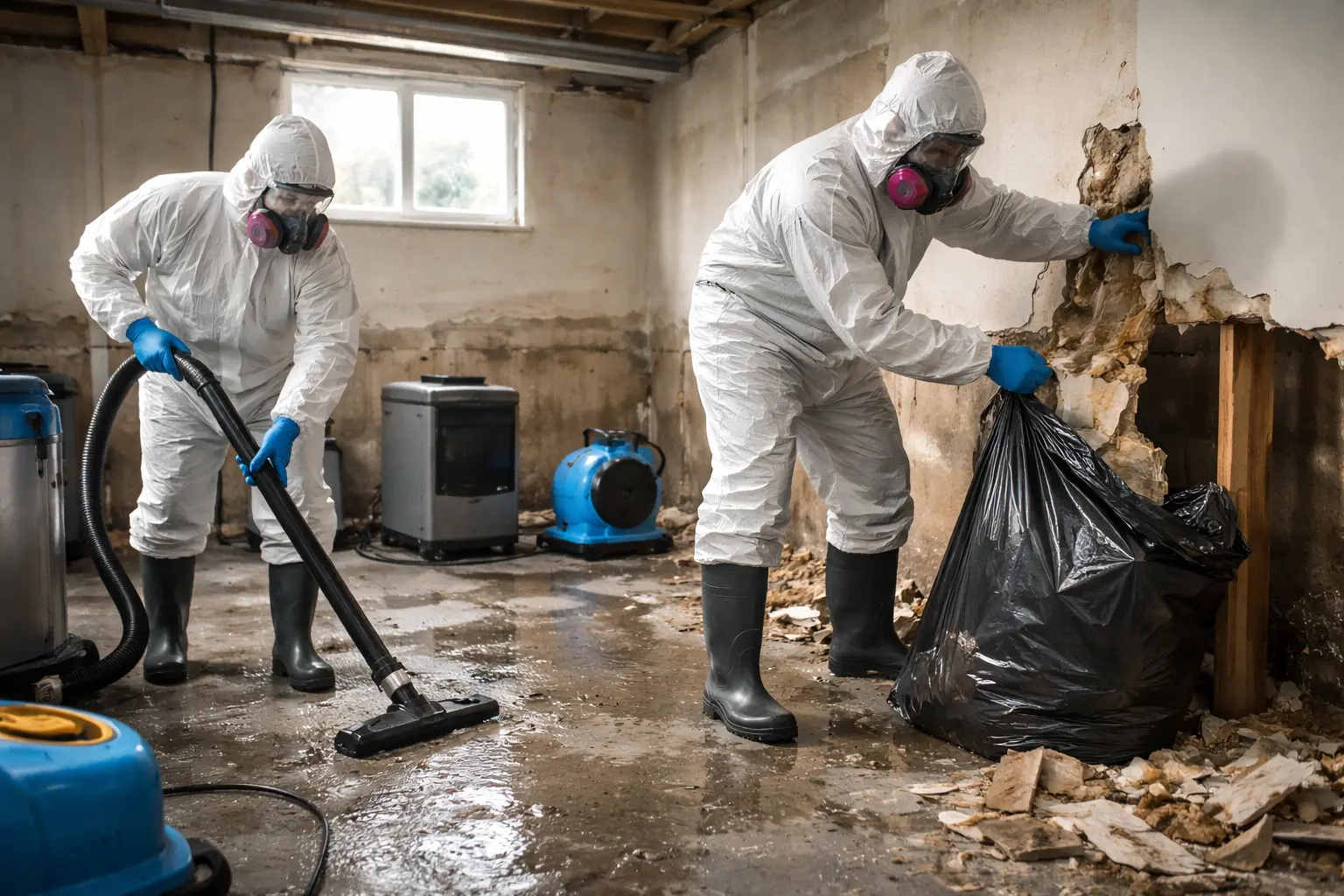
Being IICRC-certified tells clients that your team is trained in areas such as microbial remediation, carpet and upholstery cleaning, and even water damage restoration. It’s especially vital for businesses offering services in sensitive environments like hospitals, schools, or high-traffic commercial spaces.
If your competitors aren’t certified, this is where you get to (politely) outshine them.
2. What is Google Verified?
In a digital-first world, having your business “Google Verified” is like wearing a laminated name badge that says, “Yes, I’m real, and no, I won’t ghost you after taking a deposit.”
Google Verification helps your cleaning business appear in local search results, maps, and “near me” queries, which is critical for attracting new customers. It also builds trust by showing potential clients that Google has authenticated your business’s physical location and contact information. Reviews left by satisfied clients add even more legitimacy.
No, it won’t clean your windows for you, but it will help customers find you when they need theirs cleaned.
3. What is the Neighborhood Nextdoor Award?
Neighborhood Nextdoor Awards are a modern word-of-mouth gem. Think of them as digital yard signs from happy neighbors who’ve already vetted your work. Being a Nextdoor Neighborhood Favorite means you’ve received consistent, positive feedback from locals in your area.
Winning (or even being nominated for) this community-driven award shows prospective clients that you’re not just a faceless entity; you’re a neighbor, a professional, and someone people trust enough to recommend publicly.
These awards don’t require paid submissions or elaborate campaigns. Just good service and the occasional reminder to happy clients that they can vote for you next year. Subtle? Yes. Effective? Absolutely.
Tools and Practices that Reinforce Certification Value
While certifications give your cleaning business a seal of credibility, they can’t work alone. They’re like the license plate on a luxury car: nice to see, but not worth much if what’s under the hood isn’t running smoothly.
The right tools and customer-facing practices are what make those credentials matter to clients. They show that you don’t just have the paperwork; you have the performance to match.
4. How Zoho CRM Creates Unmatched Cleaning Customer Service
A Customer Relationship Management (CRM) platform might not sound glamorous, but neither does grout, and we all know how important that is. Zoho CRM is a particularly powerful ally for cleaning businesses that want to turn their certifications into long-term customer loyalty.
With Zoho CRM, you can automate booking confirmations, appointment reminders, and follow-ups. It also helps you track each client’s preferences, complaints, and service history, so your team walks into every job with context, not just a clipboard.
More importantly, Zoho CRM helps connect the dots between marketing and service. For example, you can highlight your IICRC certification in a welcome email or prompt a review request after a verified service.
In short, Zoho doesn’t just organize your business; it amplifies your professionalism.
5. How Every Cleaning Company Needs a Strong Guarantee
Here’s a hard truth: customers don’t remember how clean their windows were. But they’ll never forget if you missed a cleaning spot.
That’s why a rock-solid service guarantee is more than a nice-to-have. It’s the most important promise you can make. Whether it’s a “100% satisfaction or your money back” line or a “We’ll fix it for free within 24 hours” policy, a guarantee tells your clients that you don’t just clean but also care.
Even more, a strong guarantee transforms your certifications from passive proof to active performance. After all, what’s the point of having an IICRC-certified technician if the customer doesn’t feel taken care of?
And let’s be honest: when potential customers are comparing services online, a bold, confident guarantee stands out more than bullet points about disinfectants and extraction methods.
Back it up with professionalism, and your certifications suddenly become proof points in a larger story about excellence and accountability.
Who Defines Quality in the Cleaning Industry?
If “clean” is in the eye of the beholder, then professional cleaning needs a standardized pair of glasses. That’s why the industry doesn’t rely on vibes and vacuum lines. It turns to regulatory and certifying bodies that define, validate, and maintain cleanliness standards across sectors.
These standards help ensure that “clean enough” doesn’t mean “we ran out of time.”
6. Who Sets Cleaning Validation Guidelines?
Validation guidelines are the behind-the-scenes scripts that ensure your cleaning practices don’t just look good—they work. And when it comes to who writes that script, the lead role goes to a combination of federal, state, and industry-specific bodies.
For healthcare environments, for example, the Centers for Disease Control and Prevention (CDC) and the Environmental Protection Agency (EPA) both weigh in with guidance on disinfection protocols, product use, and contamination control. If you’re cleaning for hospitals or elder care facilities, you’re expected to follow these guidelines religiously.
In the broader commercial sphere, validation guidelines are often shaped by industry-specific associations like the Global Biorisk Advisory Council (GBAC), which offers performance-based accreditation. These organizations help define what qualifies as a “validated” clean: not just dust-free, but pathogen-reduced, methodically disinfected, and backed by documentation.
So, if you’re tempted to write your own version of “clean enough,” just remember: the auditors have pens, clipboards, and no sense of humor.
7. Who Sets Cleaning Standards?
Cleaning standards deal more with how cleaning should be performed rather than proving it was done right. This is where organizations like the IICRC (yes, them again) and the ISSA (Worldwide Cleaning Industry Association) step in.
The IICRC develops ANSI-approved standards, which are widely regarded as the technical bedrock for cleaning practices, especially in restoration, carpet cleaning, and microbial remediation. These standards define everything from moisture thresholds to proper vacuum filtration systems.
Meanwhile, ISSA creates frameworks that are as much about process as they are about outcome. Their “Cleaning Industry Management Standard” (CIMS) helps businesses structure their operations around quality control, green cleaning, and continuous improvement.
If you’re operating without these standards as your foundation, you’re not just cutting corners; you’re risking liability, performance issues, and client trust.
Ultimately, while your team might be the one doing the mopping and sanitizing, these organizations are the ones holding the clipboard. And when you’re certified to follow their standards, you’re signaling to clients that your version of “professional” has official backing—not just personal flair.
Cleaning Supplies and Medical Reimbursements
Few things in life are as frustrating as realizing your vacuum filters aren’t tax-deductible. But here’s a little-known twist in the cleaning world: under the right conditions, some cleaning supplies may qualify for purchase with HSA or FSA funds. That’s right—there’s a financial silver lining to sanitizing your doorknobs.
11. Are Cleaning Supplies HSA-Eligible?
Health Savings Accounts (HSAs) are pre-tax funds set aside for qualified medical expenses. And while your bucket of bleach wipes may not feel “medical,” there’s nuance to how the IRS defines “qualified.”
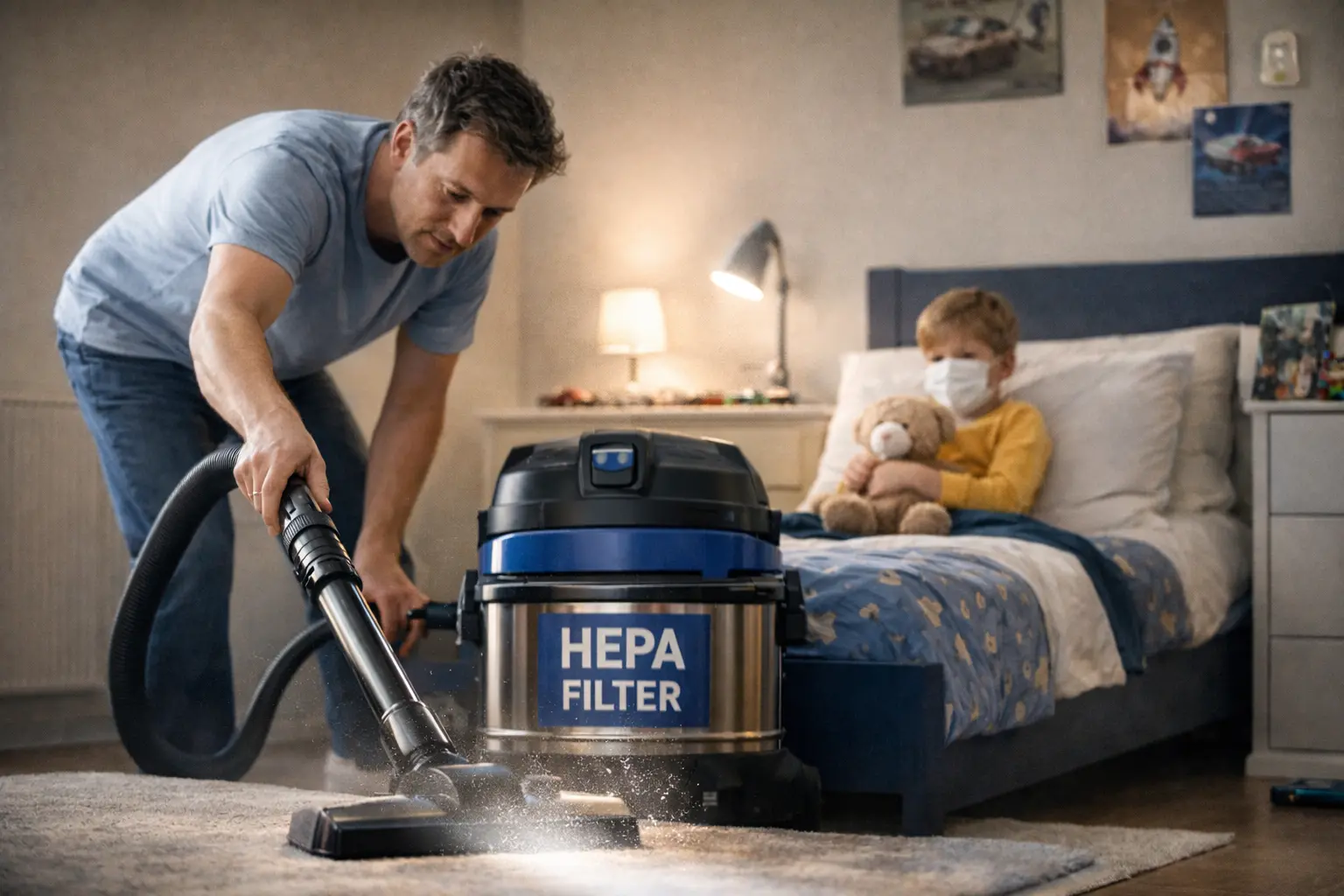
Basic cleaning supplies like disinfectants, sprays, and wipes are not generally HSA-eligible, unless they’re used specifically for a diagnosed medical condition. For example, if someone in your household is immunocompromised, and a physician recommends hospital-grade sanitizing as a protective measure, those purchases might be reimbursable with HSA funds.
In that case, you’d need a Letter of Medical Necessity (LMN) from your doctor because, naturally, you need paperwork to buy wipes with your own tax-sheltered money.
12. Are Cleaning Supplies FSA-Eligible?
Flexible Spending Accounts (FSAs) operate similarly to HSAs, but with stricter rules and expiration timelines. Like HSAs, general household cleaning supplies are not covered. However, when used in medical contexts, there’s still potential for reimbursement—with documentation.
For example, if you’re purchasing disinfectants to maintain a sterile environment for an in-home dialysis patient or using specialty air filters recommended by a healthcare provider, these may qualify as FSA-eligible expenses with proper justification.
Again, the IRS isn’t exactly handing out deductions for your Swiffer habit, but if there’s a legitimate health-driven use case, you may be able to leverage your FSA.
Final Thoughts on Certifications for Cleaning Business Growth
At the end of the day, certifications for cleaning business operations are not just framed documents or digital badges. They are strategic assets. They communicate professionalism before you even shake hands. They reduce hesitation before a contract is signed. And in an industry where trust is everything, that matters more than most marketing tactics ever will.
From IICRC credentials to Google Verification, from structured standards to smart operational systems, each layer of certification and compliance strengthens your foundation. They do not just make your company look legitimate. They make it operationally stronger.
If you are serious about long term growth, stronger contracts, and higher value clients, investing in the right certifications is not optional. It is strategic. Start with the essentials, build systems that support them, and position your business as the credible and professional choice in your market.
We, at Roochii Cleaning, have experienced firsthand how powerful this approach can be. By maintaining industry certifications and earning award recognition, we have strengthened client confidence and reinforced our reputation for quality and professionalism.
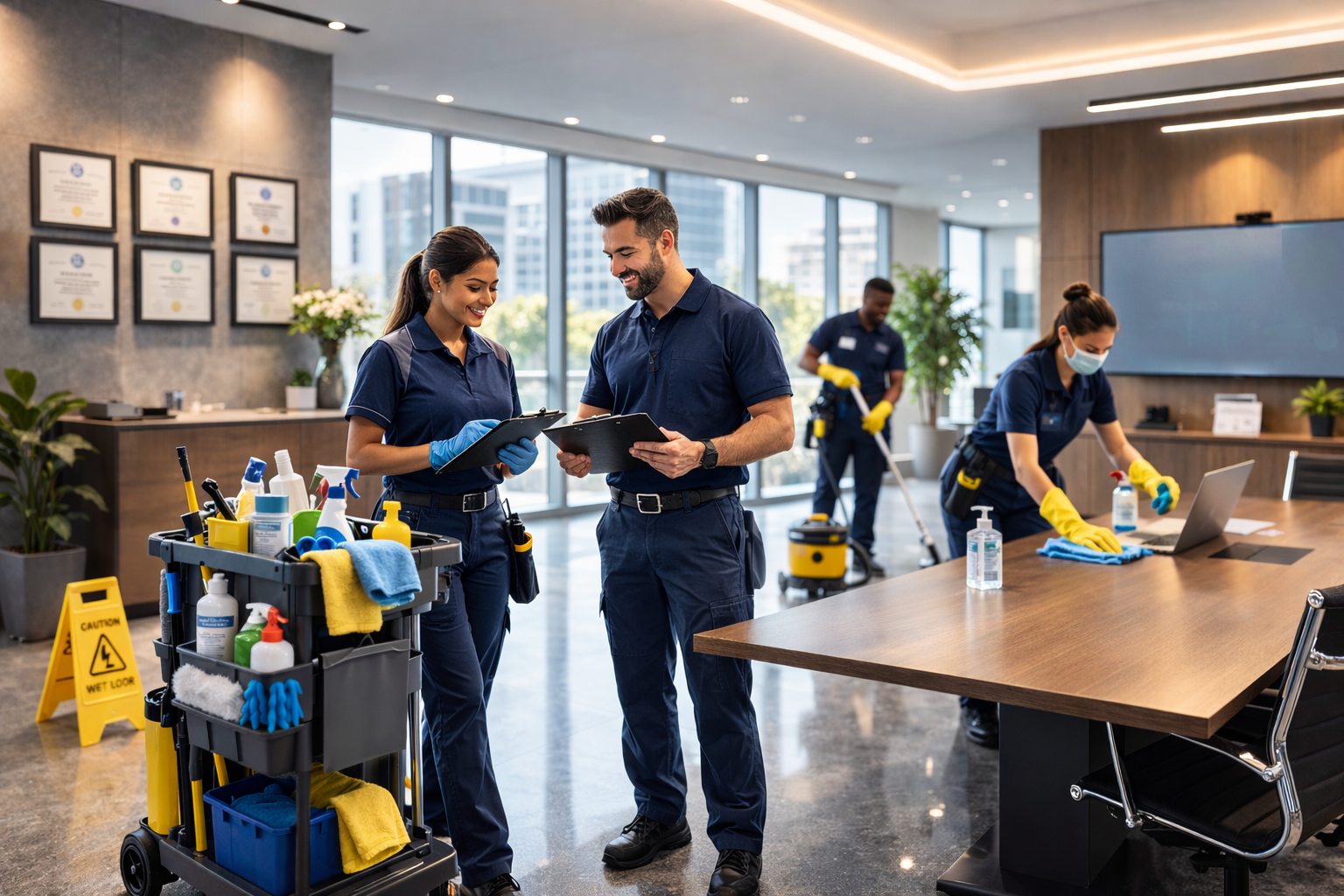
Our certified and award-winning Denver cleaning team embodies our commitment to excellence, which continues to result in stronger referrals, higher retention rates, and a meaningful competitive advantage in a crowded marketplace.
FAQ
FAQs About Certifications for Cleaning Businesses
Most states don’t require specific certifications to start. However, certifications for cleaning business operations—like IICRC—boost credibility and professionalism. A general business license and insurance are typically required.
Yes. IICRC certification demonstrates industry-standard training and increases trust, especially for restoration and commercial cleaning services.
Yes. Most locations require a general business license. Additional permits may be needed for specialized services like mold remediation or biohazard cleanup.
Yes. Cleaning businesses can be highly profitable, particularly with recurring contracts and efficient operations.
Certifications provide third-party validation. They show clients your business meets recognized industry standards, reducing perceived risk.
Cleaning standards define how to clean. Validation guidelines confirm the cleaning was done effectively.
Yes. Google Verification improves local visibility and builds trust with potential customers through verified listings and reviews.