...

Top House Cleaning Tips for a Clean House

Cleaning supplies on counter with woman dusting shelves in background as part of clean house routine

Why Regular House Cleaning Matters

A clean house does not require spending your entire weekend scrubbing every room. The easiest way to stay on top of house cleaning is to use a simple system: handle small daily messes before they build up, schedule bigger weekly tasks, and save less frequent deep-cleaning jobs for a monthly or seasonal routine.

The goal is not to make your home look untouched. It is to make cleaning predictable enough that dust, dirt, clutter, spills, and buildup do not have a chance to take over.

At Roochii Cleaning, we know that cleaning becomes much easier when you stop treating every mess like a full-house emergency. A few consistent habits can make routine cleaning faster, while a deeper cleaning can take care of the areas regular maintenance misses.

Let’s get into the best house cleaning tips that actually work!

Good Cleaning Starts With a System

A clean house is easier to maintain when cleaning is treated as a routine rather than a series of emergency catch-up sessions.

Many of us view cleaning as too much hard work. It’s more of something we have to do rather than something we want to do. But if we develop a strategic and smart approach to cleaning, that perception can change.

The key is to match cleaning frequency to how each part of the home is used, what type of soil accumulates there, and how quickly that soil becomes difficult to remove.

That means high-use areas such as kitchens, bathrooms, and entryways usually need more frequent attention than rooms that are rarely occupied. A practical cleaning routine handles everyday soil before it becomes buildup, then reserves deeper cleaning for areas that need more intensive attention.

Infographic with eight house cleaning tips covering cleaning routines, cleaning order, essential tools, room-by-room tasks, maintenance habits, common mistakes, deep-cleaning needs, and a simple checklist.
A practical visual guide to house cleaning routines, essential tools, room-by-room tasks, common mistakes, and simple maintenance habits.

The Simple House Cleaning Routine That Actually Works

You do not need to clean every part of your home every day. Instead, divide your cleaning tasks according to how frequently they actually need attention.

A practical routine has four levels: daily, weekly, monthly, and seasonal or occasional cleaning.

Daily cleaning keeps clutter and obvious messes under control. Weekly cleaning handles the surfaces, floors, bathrooms, and kitchen areas that receive regular use. Monthly cleaning tackles areas that collect dust and grime more slowly. Seasonal or occasional cleaning covers jobs that do not need to be done frequently but should not be forgotten.

This approach keeps cleaning manageable because you are not trying to deep clean your entire house every time you pick up a cloth.

Daily House Cleaning Tasks

Daily cleaning should focus on small jobs that become much harder when they are allowed to pile up.

Start by putting away items that are out of place. Clear kitchen counters, wash or load dishes, wipe obvious spills, and give frequently used areas a quick reset.

A few minutes at the end of the day can make a noticeable difference because you are starting the next morning with less clutter to work around.

Daily tasks can include:

  • Making beds
  • Putting away clothes, toys, mail, and other items
  • Washing dishes or loading the dishwasher
  • Wiping kitchen counters after food preparation
  • Cleaning obvious spills
  • Resetting the living room
  • Emptying trash when needed
  • Quickly wiping bathroom surfaces when they become visibly dirty
  • Removing excess water from shower glass when practical


Weekly House Cleaning Tasks

Weekly cleaning is where you give the main living areas more attention.

Pay attention to areas that are touched frequently or collect residue during normal use. Kitchen cabinet fronts, appliance handles, bathroom fixtures, mirrors, and shower surfaces can all benefit from regular maintenance.

Vacuuming is also an important part of maintaining carpets and rugs. In a small study, frequent vacuuming was associated with an average 68.5% reduction in dust-mite allergen per unit of carpet area. The result does not mean every home will see the same reduction, but it shows why regular vacuuming can be useful for managing accumulated allergens in carpeted areas.

A typical weekly routine might include:

  • Vacuuming carpets, rugs, upholstery, and floors as appropriate
  • Sweeping and mopping compatible hard floors
  • Dusting furniture and accessible surfaces
  • Cleaning toilets, sinks, tubs, and showers
  • Cleaning mirrors
  • Wiping kitchen appliances and cabinet fronts
  • Changing bed linens
  • Cleaning frequently touched surfaces when needed
  • Checking for areas where moisture, spills, or buildup are developing


Monthly House Cleaning Tasks

Monthly cleaning is useful for areas that do not need attention every week but still collect dust, dirt, and buildup over time.

This might include cleaning under furniture, dusting less accessible areas, wiping doors and trim, cleaning accessible vents and grilles according to manufacturer instructions, and checking areas behind or underneath appliances.

Use your monthly routine to look for small maintenance problems as well. Small issues create a much bigger cleaning problem if it goes unnoticed.

Monthly tasks can include:

  • Cleaning under beds and larger furniture
  • Dusting higher or less frequently reached surfaces
  • Wiping doors, trim, and baseboards
  • Cleaning light fixtures when appropriate
  • Cleaning accessible vents and grilles
  • Cleaning behind or underneath movable appliances
  • Checking under sinks for leaks or moisture
  • Cleaning areas that are regularly overlooked


Seasonal and Occasional Cleaning

Some cleaning jobs simply do not belong on a weekly checklist.

Instead of forcing yourself to complete them constantly, schedule them when they make sense for your home.

Examples include cleaning windows, washing curtains, cleaning behind large appliances, organizing storage areas, and addressing accumulated buildup in neglected spaces.

Seasonal cleaning is also a useful time to inspect the home for maintenance issues. Look for signs of water intrusion, damaged caulking, persistent condensation, or areas where dirt and moisture repeatedly accumulate.

The Best Order to Clean Your House

A good cleaning routine is not just about what you clean. The order matters, too. Starting in the wrong place can mean wiping the same area twice or sending dust and debris back onto surfaces you already cleaned.

A simple top-to-bottom approach keeps the work moving in one direction:

  1. Declutter first – Before reaching for a cleaner, put away items that are out of place.
  2. Dust from top to bottom – Clean shelves, furniture, and other higher surfaces before moving down.
  3. Clean surfaces – Wipe tables, counters, fixtures, and other appropriate surfaces using products suited to the material.
  4. Work through each room systematically –Instead of bouncing between rooms, finish one area before moving to the next. A practical sequence is to work through the kitchen and bathroom, then bedrooms and living areas, adjusting the order to fit your home’s layout and priorities.
  5. Finish with the floors – Floors collect dust, crumbs, hair, and debris as you clean the rest of the room. Vacuum or sweep after the higher surfaces are finished, then mop compatible hard flooring when necessary.


The easiest rule to remember is: declutter → clean high surfaces → clean lower surfaces → finish with the floors.

Following this order will not make every cleaning job effortless, but it can prevent unnecessary backtracking and make a regular house cleaning routine much easier to manage.

Essential Cleaning Tools Every Homeowner Should Own 

Effective house cleaning depends more on using the right tool for the job than on owning a large collection of gadgets. A basic set of reliable tools can handle most routine household cleaning, while specialized equipment is useful when a surface or cleaning problem requires it.

Microfiber Cloths

Microfiber cloths are useful for dusting and wiping many household surfaces. Keep enough on hand to use a clean cloth when moving between different areas, and launder reusable cloths according to their care instructions.

Vacuum Cleaner

A good vacuum removes loose dust, dirt, hair, and other dry debris from carpets, rugs, upholstery, and flooring that is suitable for vacuuming.

Choose a vacuum based on your flooring, household traffic, pets, and other cleaning needs. A vacuum that is appropriate for the surfaces in your home will generally be more useful than one chosen simply for having the most features.

Broom and Dustpan

A broom and dustpan are useful for quick removal of dry debris from hard floors.

Keep them accessible for:

  • Crumbs and food debris
  • Hair
  • Dirt and grit
  • Dry spills
  • Everyday floor debris


Mop

A mop can help remove remaining soil and residue from hard flooring after loose debris has been removed.

Choose a mop and cleaning product that are appropriate for the specific flooring material, since excess moisture or unsuitable products can damage some floors.


Scrub Brushes

Scrub brushes can help remove stuck-on soil and buildup from surfaces that can tolerate mechanical scrubbing.

The brush itself matters. A stiff brush or aggressive scrubbing method can damage finishes, coatings, grout, or other surfaces that require gentler cleaning.

Surface Cleaners

Choose a cleaning product based on both the soil you are removing and the surface you are cleaning.

Kitchen grease, bathroom residue, glass, finished wood, natural stone, and specialty flooring can have very different cleaning requirements. Using one product throughout the house may be convenient, but it is not always appropriate for every material.

Other Useful Supplies

A few additional supplies can make routine cleaning easier:

  • Cleaning gloves when appropriate
  • Non-abrasive cleaning pads for compatible surfaces
  • A small cleaning caddy
  • A bucket when required by your cleaning method
  • A squeegee for appropriate shower surfaces
  • Trash bags and replacement liners


You do not need every cleaning gadget on the market. The better approach is to keep a small set of tools that match the surfaces and cleaning tasks in your home, maintain those tools properly, and replace them when they no longer perform effectively.

Room-by-Room House Cleaning Tips for Maximum Efficiency 

Basic home cleaning tips are a great starting point, but real results come when you adjust your approach to each room’s unique challenges. Every area in your home collects different types of dirt, grime, and clutter, so your strategy should change accordingly.

Below are cleaning tips for each space, helping you work smarter in every room:

How to Clean Your Kitchen the Right Way

Woman wearing yellow gloves wiping kitchen counter with cloth to maintain a clean house

The kitchen often needs frequent maintenance because food preparation creates grease, crumbs, spills, and residue.

Pay attention to areas that receive frequent contact, including cabinet handles, appliance handles, and other commonly touched surfaces. Clean them according to the material and product instructions.

A practical kitchen routine includes:

  • Clear counters and return items to their places.
  • Wipe food spills promptly.
  • Clean food-preparation surfaces using an appropriate cleaner.
  • Clean appliance handles and other frequently touched areas as needed.
  • Wipe cabinet fronts when grease or fingerprints accumulate.
  • Clean the stovetop according to its surface requirements.
  • Sweep or vacuum loose debris from the floor.
  • Mop the floor when appropriate for the flooring material.
  • Empty kitchen trash before it becomes difficult to manage.
  • Check under the sink periodically for leaks or moisture.

    How To Deep Clean Your Bathroom and Get Rid of Germs 

    Person wearing yellow gloves spraying and wiping bathroom sink as part of clean house routine

    Bathrooms are used daily. It’s a place everyone frequents. It demands constant, focused cleaning so it stays hygienic. Moisture, soap scum, and bacteria thrive here, so consistency is key.

    • Scrub showers and tubs weekly. Use a brush and bathroom cleaner to remove soap scum before it becomes stubborn.
    • Tackle the toilet thoroughly. Different people use the toilet, so don’t just swish the bowl. You also have to thoroughly clean the seat, base, flush handle, and surrounding floor. These areas are crucial because they harbor a lot of bacteria and viruses.
    • Wipe mirrors and countertops. A simple glass cleaner can make mirrors squeaky clean.
    • Clean tiles and grout. For mild stains on sealed grout, you may use a mixture of vinegar and mild water. For unsealed grout, use dedicated grout cleaners because vinegar’s acidity might damage it.
    • Ventilate the space. Mold and mildew love bathrooms, so keep them away by running the exhaust fan or cracking open a window after showers.

    Easy Ways to Clean and Organize Your Bedroom

    Woman making bed in a tidy bedroom as part of clean house routine

    Bedrooms generally need a simple maintenance routine focused on dust, floors, bedding, surfaces, and clutter. The goal is to keep these areas maintained without turning routine bedroom cleaning into a major project.

    • Start by Decluttering. Put away clothing, shoes, books, and other items that have accumulated around the room. Clearing surfaces and floors first makes dusting and vacuuming much easier.
    • Dust Surfaces. Dust furniture, shelves, window sills, and other accessible surfaces with an appropriate cloth or dusting tool. Work from higher surfaces toward lower ones so that loosened dust does not settle on areas you have already cleaned.
    • Clean the Floors. Vacuum carpets, rugs, and upholstery where appropriate. For hard flooring, use a cleaning method and product suitable for the specific material. Pay extra attention to areas beneath or around the bed and other furniture where dust can accumulate.
    • Change and Wash Bedding. Change bed linens regularly and launder them according to the manufacturer’s care instructions. Do not assume every material can be cleaned the same way. The Centers for Disease Control and Prevention recommends laundering linens with detergent using the recommended water temperature and drying them completely.
    • Keep Moisture Under Control. Good ventilation can help manage humidity and indoor pollutants. If a bedroom has persistent condensation, dampness, or a musty odor, look for the underlying moisture source rather than treating the symptom with fragrance or cleaning products. EPA guidance notes that controlling indoor moisture and maintaining appropriate ventilation can help reduce conditions that support mold growth.


      Best Way to Clean a Cluttered Living Room

      Person placing folded clothes in a donation box as part of clean house decluttering routine

      The living room is where we unwind, host guests, and spend time with family. Living rooms collect dust, crumbs, pet hair, clutter, and everyday debris because they are usually among the most frequently used spaces in the home.

      A useful living-room routine includes:

      • Clear coffee tables and other surfaces.
      • Put away toys, clothing, books, and other loose items.
      • Dust shelves, tables, and accessible surfaces.
      • Vacuum upholstery when appropriate.
      • Vacuum rugs and floors.
      • Clean visible spills promptly.
      • Straighten pillows and blankets.
      • Clean underneath furniture periodically.
      • Keep frequently used surfaces manageable rather than allowing clutter to accumulate.


      Do not forget the areas under and behind furniture. They may not be visible during everyday use, but they can collect substantial amounts of dust and debris.

      How to Keep Your House Clean Between Deep Cleans

      Deep cleaning should reset the areas that routine cleaning does not fully address. The purpose of regular maintenance is to keep the home from reaching that point too quickly.

      The most effective approach is not to clean everything every day. It is to pay attention to the areas where dirt, moisture, dust, and everyday residue accumulate fastest and give those areas the right level of attention.

      1. Control the Daily Soil Before It Builds Up

      Some household messes become harder to remove simply because they are left sitting.

      Food residue dries onto kitchen surfaces. Soap residue accumulates in bathrooms. Dust settles into upholstery, corners, and hard-to-reach areas. Clutter also makes it harder to reach the surfaces underneath.

      Handle these small maintenance tasks before they become larger cleaning jobs:

      • Wipe up food and liquid spills promptly.
      • Remove crumbs and loose debris from floors.
      • Clear bathroom counters and sinks after regular use.
      • Put frequently used items back where they belong.
      • Empty trash before it begins creating odors or overflow.
      • Keep areas around sinks and other moisture-prone fixtures reasonably dry.


      Taking care of small messes as soon as they appear can help prevent them from becoming more time-consuming cleaning tasks later.

      2. Give High-Use Areas More Attention

      A house does not become dirty at the same rate everywhere. Frequently used areas such as kitchens and bathrooms generally need more regular attention than rooms that are rarely occupied.

      Area What commonly builds up Maintenance priority
      Kitchen Food residue, grease, crumbs, fingerprints High
      Bathroom Soap residue, moisture, hair, water spots High
      Entryway Outdoor dirt, dust, grit High
      Living room Dust, crumbs, pet hair, upholstery debris Moderate to high
      Bedrooms Dust, hair, laundry, general clutter Moderate
      Low-use rooms Dust and occasional debris As needed

      This simple adjustment makes a cleaning schedule more realistic. Frequency should follow the home’s actual use, so you have to adjust based on your lifestyle.

      3. Keep Cleaning Tools From Becoming Part of the Problem

      A cleaning tool needs maintenance, too.

      A damp cloth left in a pile or a vacuum with a neglected filter can make routine cleaning less effective.

      After cleaning:

      • Launder reusable cloths according to their care instructions.
      • Allow mops and other damp tools to dry properly.
      • Check filters and replace or clean them according to the equipment instructions.
      • Keep cleaning supplies organized so the correct product is easy to identify.


      4. Reset the House, But Do Not Confuse Tidying With Cleaning

      A nightly reset can make the next cleaning session significantly easier, but putting things away is not the same as cleaning.

      A useful evening reset might include clearing dining and kitchen surfaces and returning items to their usual locations. Once surfaces are accessible, actual cleaning becomes more efficient because you are not spending the first part of the job moving belongings around.

      5. Know When Maintenance Has Become a Deep-Cleaning Job

      This is where many cleaning routines break down.

      If dust has accumulated behind furniture, grease has built up on kitchen surfaces, soap residue has hardened in the bathroom, or neglected areas have developed noticeable buildup, repeatedly performing the same quick wipe-down may not solve the underlying problem.

      That is a sign to move beyond routine maintenance and schedule a deeper cleaning.

      6. Build the Routine Around Your Home

      There is no single cleaning schedule that works equally well for every household. Cleaning frequency should reflect how the home is actually used.

      A home with pets, children, frequent cooking, multiple occupants, or heavy foot traffic may need more frequent attention in particular areas than a lightly occupied home.

      Look at your home’s pressure points:

      • Which rooms are used every day?
      • Where does outdoor dirt enter the home?
      • Where does moisture regularly occur?
      • Which surfaces collect residue fastest?
      • Which areas receive frequent contact?
      • Which cleaning tasks are repeatedly postponed?


      Use those answers to set your priorities.

      The goal is not to make every room follow the same schedule. It is to spend cleaning time where soil, moisture, traffic, and everyday use create the greatest need.

      Common Cleaning Mistakes to Avoid

      A cleaning routine can still be inefficient if the method creates extra work or does not address the type of soil on the surface. Professional cleaning is not simply about doing more. It is about choosing the right order, tools, products, and frequency for the job.

      These common mistakes can make routine cleaning slower, less effective, or harder on household surfaces.

      Infographic showing six common cleaning mistakes to avoid, including dirty tools, wrong products, missed high-touch areas, product mixing, delayed messes, and skipped maintenance.
      Six common cleaning mistakes to avoid, from using dirty tools and wrong products to skipping high-touch areas and routine maintenance.

      Not Cleaning Your Tools

      Cleaning tools can collect dirt and microorganisms during use, so they should not be treated as permanently clean just because they are used for cleaning.

      Research has found that used household cleaning cloths can retain substantial microbial contamination, which is one reason proper washing and drying matter. One study found that used cleaning cloths could carry about 10,000 to 100,000 bacterial cells in an area roughly the size of a small hand immediately after use.

      After cleaning:

      • Launder reusable cloths according to their care instructions.
      • Allow damp mop heads and cleaning tools to dry properly.
      • Clean or replace vacuum filters according to the equipment instructions.
      • Replace worn tools that can no longer be cleaned effectively.


      Maintaining your equipment helps keep the next cleaning job from starting with yesterday’s dirt.


      Using The Wrong Products

      A cleaner that performs well on one surface may be inappropriate for another.

      Before using a product, consider both the material and the type of soil you need to remove. Natural stone, finished wood, specialty flooring, glass, painted surfaces, and appliance coatings can have different care requirements.

      Using the correct product for the surface helps reduce the risk of residue, finish damage, discoloration, or unnecessary wear.


      Ignoring High-Touch Areas

      Frequently touched surfaces such as doorknobs, light switches, handles, faucets, and countertops deserve regular cleaning because they are handled repeatedly throughout the day.

      For most situations, routine cleaning is enough. The CDC recommends cleaning high-touch surfaces regularly and cleaning other surfaces when they are visibly dirty or as needed. Disinfection may be appropriate when someone is sick or when there is a specific need for additional germ control. If you disinfect, clean the surface first and use a product appropriate for that surface.


      Mixing Cleaning Products

      Never combine cleaning products unless the manufacturer specifically indicates that the combination is intended and safe.

      Different cleaning products can contain ingredients that react when combined. The result may be a mixture with properties that are different from either product on its own.

      A cleaner that seems harmless on its own can behave very differently when mixed with another product. Keep products separate and use them according to their labels. 

      Use one product, wipe or rinse away residue if the surface and product instructions allow it, let the area dry fully, then decide whether a second product is actually needed. Never layer wet products directly on top of each other.


      Procrastinating on Small Messes

      That tiny pile of mail? The single dish in the sink? They seem insignificant, but they multiply when you’re not looking. Putting them off only makes them more overwhelming later on.

      If a task genuinely takes only a moment and you have the time to handle it, doing it immediately can keep your routine under control.


      Skipping Routine Maintenance

      Cleaning becomes more difficult when routine maintenance is repeatedly postponed.

      Instead of waiting until the entire house needs attention, maintain the areas that collect soil fastest. High-use kitchens, bathrooms, entryways, and living spaces may need attention more often than low-use rooms.

      Your cleaning schedule does not have to be identical every week. Adjust the frequency based on household traffic, pets, children, cooking habits, and the amount of visible dirt or buildup.

      The most efficient cleaning routine is not necessarily the one that uses the most products or takes the most time. It is the one that matches the cleaning method to the surface, soil, and conditions in the home.

      When Regular Cleaning Isn’t Enough

      Routine cleaning is excellent for maintenance, but it cannot solve every cleaning problem.

      A home may need a deeper cleaning when buildup has accumulated over time, areas have been neglected, a property is being prepared for a move, or there simply has not been enough time for regular maintenance.

      Professional help can also make sense when the cleaning project is too large to fit comfortably into your schedule or when you need a more thorough reset before returning to a regular routine.

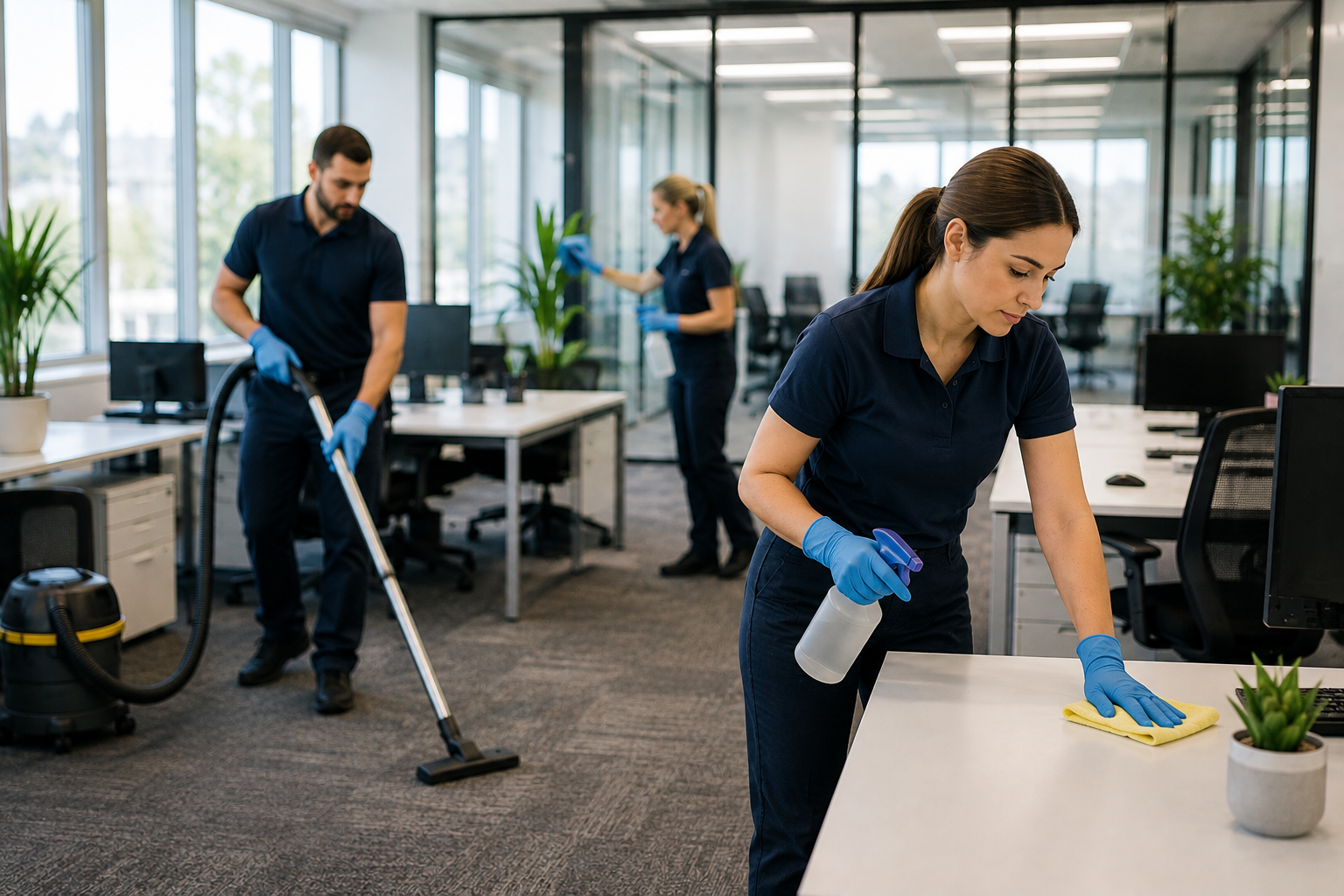
      At Roochii Cleaning, professional house cleaning can complement a homeowner’s regular maintenance routine rather than replacing it. A recurring cleaning service can handle larger cleaning tasks while household members focus on the small daily habits that keep the home manageable.

      If a cleaning problem involves significant water damage, persistent mold, hazardous materials, or another condition beyond routine housekeeping, treat it as a separate problem rather than simply adding more scrubbing to your normal cleaning routine.

      Your Simple House Cleaning Checklist

      If you are not sure where to start, use this basic checklist and adjust the frequency to fit your home.

      Daily

      • Make beds.
      • Put away clutter.
      • Wash or load dishes.
      • Wipe kitchen counters after food preparation.
      • Deal with visible spills.
      • Reset the main living areas.
      • Empty trash when needed.


      Weekly

      • Vacuum carpets, rugs, and floors as appropriate.
      • Sweep and mop compatible hard floors.
      • Clean bathrooms.
      • Clean kitchen surfaces and appliances.
      • Dust furniture and accessible surfaces.
      • Change bed linens.
      • Clean frequently touched surfaces as needed.
      • Check for moisture, spills, or buildup in problem areas.


      Monthly

      • Clean underneath furniture.
      • Dust less frequently reached surfaces.
      • Wipe doors, trim, and baseboards.
      • Clean accessible vents and grilles as appropriate.
      • Clean behind or underneath movable appliances.
      • Check under sinks and around plumbing for moisture.
      • Tackle areas that have been repeatedly overlooked.


      Seasonally or As Needed

      • Clean windows and window areas.
      • Clean storage spaces.
      • Clean behind large appliances when practical.
      • Wash appropriate curtains or other washable window coverings.
      • Address accumulated buildup.
      • Inspect areas where moisture or dirt repeatedly returns.


      Final Thoughts 

      The best house cleaning routine is not the one that fills every day with chores. It is the one that keeps small messes from becoming major cleaning projects.

      Start with a few daily habits, schedule the bigger weekly jobs, and reserve monthly and seasonal tasks for areas that do not need constant attention. Clean from top to bottom, choose products based on the surface, and avoid creating extra work by cleaning in the wrong order or using too much product.

      Most importantly, do not wait for your entire house to become overwhelming before you start. A few manageable tasks done consistently can make routine house cleaning much easier to maintain.

      FAQ

      Common Questions About Effective House Cleaning Answered

      Give me the latest news!

      Join our mailing list to get cleaning tips, exclusive discounts, and special offers delivered straight to your inbox. No spam—just fresh, sparkling clean insights.


      Leave a Reply

      Your email address will not be published. Required fields are marked *