How to Keep a Clean House with Kids: 12 Powerful Tips & Tricks

The Challenges of Keeping a Clean House with Kids
Trying to juggle the responsibilities of being an adult, running a home, working, and raising kids can be incredibly difficult—and often overwhelming. Add the challenge of keeping your house clean on top of that, and it’s easy to see why so many people struggle.
Let’s face it: children can be messy. But is it worth the effort to stay on top of the cleaning? Studies say yes—clean homes are linked to better self-rated health and can offer physical and mental benefits.
Take Sara, a stay-at-home mom of four in Denver, CO, who was overwhelmed by the mess. It affected her health and kept her from working out. After scheduling regular cleanings with Roochii Cleaning in Denver, her stress dropped and energy returned, and she got back to feeling like herself.
So yes, it’s totally worth it. Now, without further ado, let’s jump into how you can keep your house clean—even with kids around.
Video of Jovany Explaining How to Keep a Clean house with Kids
12 tactics for cleaning with kids:
- Try to Keep Things Clutter-Free
- Develop New Cleaning Habits
- Invest in Good Quality Cleaning Equipment
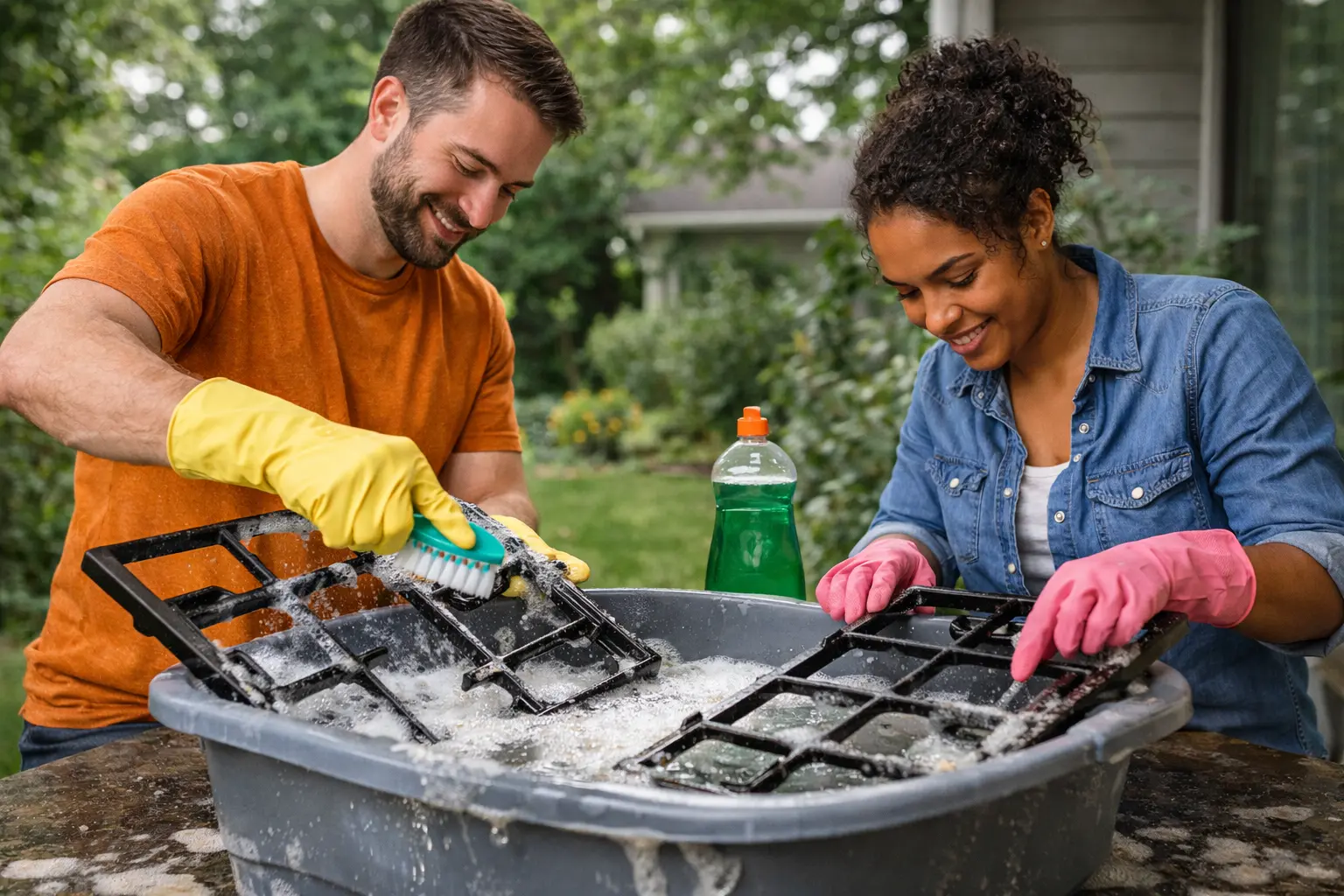
- Clean as a Family
- Implement Organizational Techniques
- Draw Up a Cleaning Schedule
- Implement a Reward System
- Encourage The Kids to Tidy as They Go
- Try to Clean Little and Often
- Find Ways of Making Cleaning Fun
- Have Realistic Expectations
- Seek Help from Experts
1. Try to Keep Things Clutter-Free
We know that this is easier said than done when you’ve got children running about the place, but whenever possible, try to keep your home as clutter-free as possible. Experts have found evidence which suggests that clutter can lead to feelings of being overwhelmed, which in turn can lead to procrastination and other unhealthy habits.
Here’s how you keep a clean house with kids around:
a. Lead by Example
Children learn by observing. If they see you keeping things tidy, they’re more likely to follow suit.
b. Assign a Place for Everything
Make it easier for kids to put things away by designating specific spots for toys, books, and everyday items.
c. Declutter Regularly
Periodically go through toys, clothes, and household items to remove things that are no longer needed. Donate or store unused items.
d. Keep surfaces Clear
Limit clutter on countertops, tables, and windowsills to create a more organized and visually calming space.
e. Make Cleaning-Up a Habit
Encourage kids to tidy up after themselves by turning clean-up time into a daily routine or a fun game.
f. Use Storage Solutions
If worktops, windowsills, tables, and corners are messy and cluttered, children will find it harder to learn where things should go and will get into the habit of simply dumping their toys and games in whichever empty spaces they can find. Bins, shelves, and labeled containers make it easy for kids to put things back in their proper place.
Try to find a home for everything around the house, and make sure your kids know where things belong. Encourage them to get into the habit of putting things back where they belong once they’ve finished playing with or using them.
For a thorough discussion on decluttering, read our 10 Quick Decluttering Hacks article.
2. Develop New Cleaning Habits
Another great way to help keep the house clean and tidy is to develop new cleaning habits.
According to experts, it can take anything from 18 days to 254 days for a person to form a habit. On average, it also takes around 10 weeks for new behaviors to become automatic. Once something becomes a habit, it’s much easier to stick to it. This includes cleaning.
Establish Household Cleaning Rules
a. Set clear cleaning rules
Ensure your children understand and follow simple household cleaning guidelines.
b. Use the Two-Minute Rule
If a task takes two minutes or less, do it immediately to prevent mess from piling up. Tasks like washing dishes right after eating, wiping down countertops after use, and putting things back in cupboards or drawers.
c. Encourage routine cleaning habits
Assign specific tasks to specific days or moments to keep the home consistently tidy.
1. Laundry rotation
Stay on top of washing, drying, and folding clothes.
2. Clean as you go
Tidy up while cooking, playing, or working.
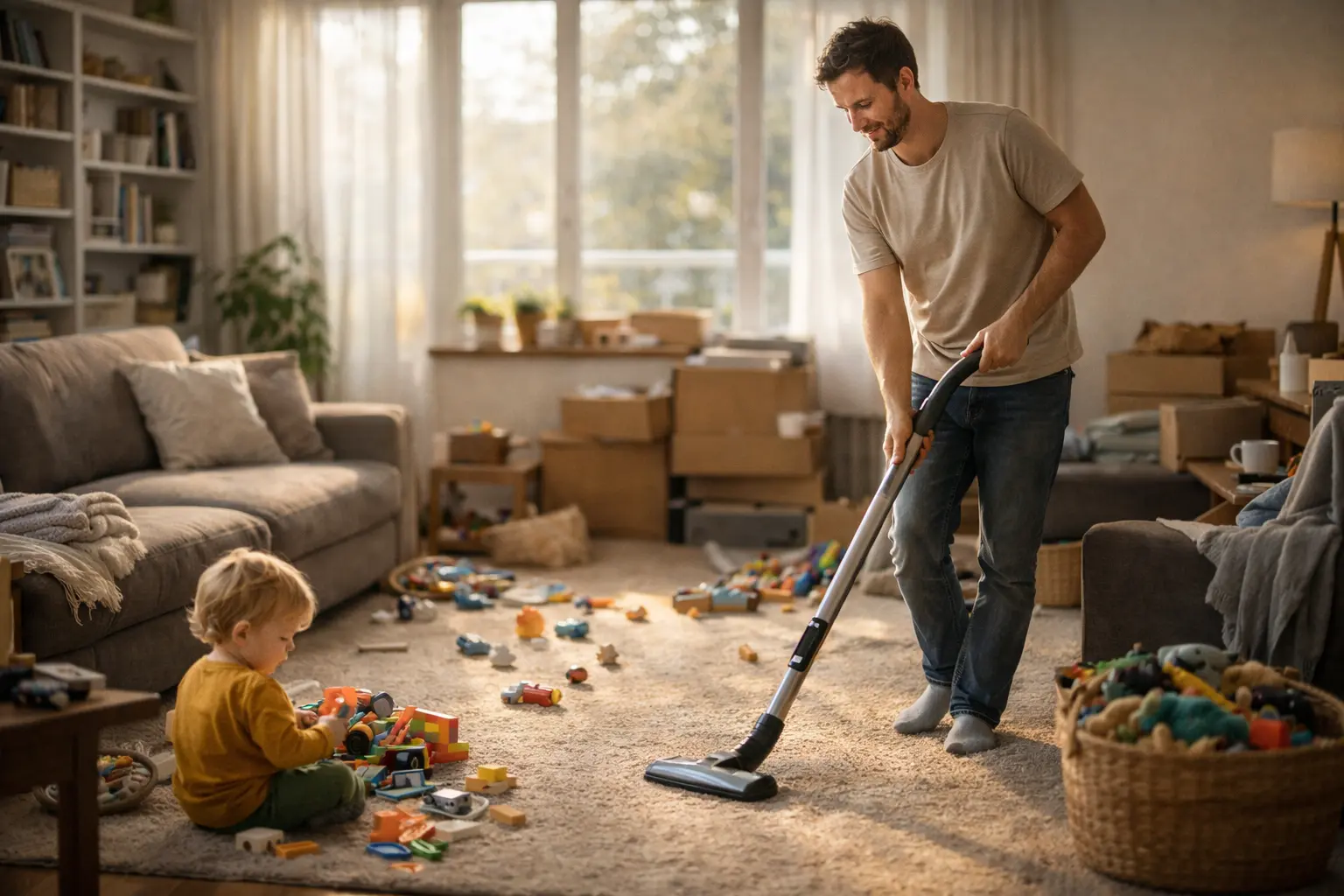
3. Vacuum on set days
Stick to a schedule for vacuuming to maintain clean floors.
4. Load and unload the dishwasher
Make it a habit to avoid dirty dishes piling up.
5. Have fresh hand towels available
Regularly replace towels in the kitchen and bathroom.
6. Mop hard floors on set days at set times
Maintain cleanliness with a structured mopping schedule.
American journalist and author Charles Duhigg mentions the importance of creating habits in his best-selling book The Power of Habit. Once these cleaning behaviors become habits, cleaning and tidying will come as second nature. The more members of your household develop these habits, the cleaner and more organized your home will be.
3. Invest in Good Quality Cleaning Equipment
a. Choose Durable Cleaning Equipment
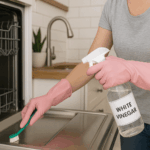
It’s said that a worker is only as good as their tools, and the same applies to keeping a home clean. Investing in reliable cleaning equipment ensures efficiency and better results. While you don’t need to buy the most expensive brands, opting for quality over budget-friendly alternatives will make cleaning easier and more effective.
-
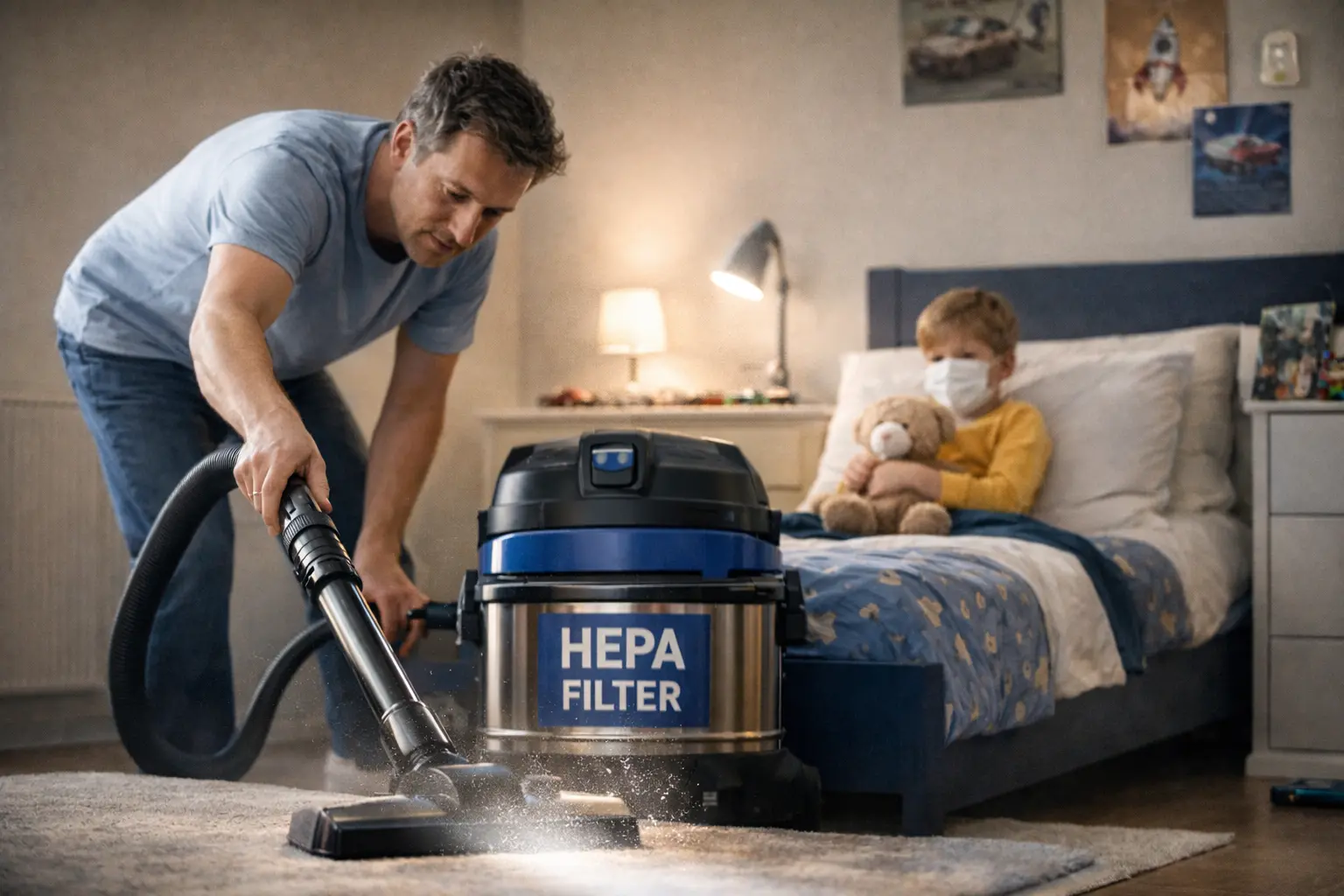
HEPA vacuums – HEPA vacuums with high-efficiency filters capture fine dust, allergens, and pet dander for cleaner air.
-
Microfiber cloths – Trap dust and dirt effectively without spreading debris.
-
Abrasive sponges – Ideal for scrubbing away caked-on dirt and grime.
-
Eco-friendly cellulose sponges – A sustainable, highly absorbent option for cleaning.
-
Steam cleaners – Use high-temperature steam to sanitize surfaces, especially in kitchens and bathrooms.
b. Use High-Quality Cleaning Solutions
The right cleaning products not only make the job easier but also help maintain a healthier home environment. While premium cleaning solutions may cost more, they tend to last longer and clean more effectively, reducing overall usage.
-
Better performance – Higher quality solutions cut through grease and grime more efficiently, making tasks like dishwashing and surface cleaning easier.
-
Healthier home environment – Many budget cleaning products contain volatile organic compounds (VOCs), which can negatively impact respiratory health.
-
Safer alternatives – The American Lung Association warns that aerosol sprays with VOCs can cause respiratory issues by impairing pulmonary function via enhanced oxidative stress. Opt for natural, organic-based cleaning products to reduce exposure to harmful chemicals.
4. Clean as a Family
Another very handy tip when it comes to keeping the house clean is to clean as a family and get everybody involved.
Cleaning as a family is not only a great way to clean the home, it’s also a great way to bond. Studies have shown that spending time with family can offer a wide range of benefits so focusing on family involvement when cleaning is a great way to approach things.
a. Get Kids Involved with Age-Appropriate Tasks
Assigning children cleaning responsibilities helps them learn about cleanliness, organization, and teamwork. Be sure to distribute tasks based on their age and abilities:
-
Young children – Can help put toys away, wipe surfaces, or sort laundry.
-
Older children – Can take on tasks like vacuuming, dusting, or washing dishes.
For families with multiple kids, assigning each child specific roles prevents confusion and ensures everyone contributes fairly. Creating a physical checklist can also help them track their tasks and stay engaged.
b. Motivate with Encouragement
Praise children for their efforts, no matter how small. Studies have found that acknowledging effort rather than just the outcome helps build motivation and confidence. The more they feel appreciated, the more likely they’ll develop lasting cleaning habits.
By making cleaning a shared responsibility, you teach valuable life skills while maintaining a tidy and organized home.
5. Implement Organizational Techniques
Organization is key to maintaining a clean and clutter-free home. The more structured your space is, the easier it becomes to keep things neat and manageable. Studies highlight the benefits of organization, showing that it can reduce stress and make cleaning routines more efficient.
a. Assign a Place for Everything
One of the simplest ways to stay organized is to ensure that every item in your home has a designated place:
-
Create a “home” for all items – This prevents clutter from accumulating in random areas.
-
Use a storage box for miscellaneous items – If something doesn’t have an assigned spot, place it in a designated bin until you find a proper home for it.
b. Implement the “One In, One Out” Rule
This basically means that you remove one item to be replaced with another, rather than having two of the same. When buying a new shirt for example, be sure to remove an older one, perhaps one that no longer fits or that happens to be your least favorite. This helps keep your wardrobe nice and organized and prevents you from becoming overwhelmed with clothes.
6. Draw Up a Cleaning Schedule
Numerous studies have found a direct link between routines and positive development in children later in life. Because of this, why not draw up a cleaning schedule for you and your kids?
Draw up a simple cleaning schedule and try to break each chore down into a series of manageable tasks.
For different days of the week, assign different tasks to different members of your household. Mondays for example, could be for cleaning the kitchen. On this day, you and any other adults in the home will handle the more adult-orientated tasks, whereas the kids could be assigned jobs like washing the dishes, drying them, and putting them away when clean.
By drawing up a cleaning schedule both you and your children know exactly which tasks need carrying out and on which days.
Weekly Cleaning Schedule Sample
|
Day |
Major Areas to Clean |
Parents’ Tasks |
Children’s Tasks |
|
Sunday |
General Tidying |
✅ Light dusting |
✅ Put away toys |
|
Monday |
Kitchen |
✅ Deep clean kitchen (wipe appliances, mop floors) |
✅ Wash and dry dishes |
|
Tuesday |
Bathrooms |
✅ Scrub toilets |
✅ Wipe bathroom counters |
|
Wednesday |
Bedrooms |
✅ Wash all towels |
✅ Match socks |
|
Thursday |
Living Room |
✅ Dust whole house |
✅ Pick up toys |
|
Friday |
Floors & Windows |
✅ Vacuum |
✅ Make beds |
|
Saturday |
Deep Cleaning |
✅ Wash sheets |
✅ Sweep floors |
7. Implement a Reward System
While this may feel like bribery to some people, it never hurts to give your little bundles of joy a little encouragement to tidy up now and then.
How you reward your children is entirely up to you, but perhaps you could try things like one hour of gaming for cleaning their rooms or treating them to their favorite dessert if they put their toys back into the toybox when they’ve finished playing?
If kids have something to look forward to after carrying out the more mundane and boring chores and tasks, they’re more likely to stick to the cleaning routine. After a while, it should come as second nature to them as they grow older.
8. Encourage The Kids to Tidy as They Go
Another useful tip for anybody struggling to keep their house clean with children running and playing all over the place is to encourage the kids to tidy as they go.
If they’re playing with their race cars and decide to play with something else for example, encourage them to put their race cars back where they got them from before they take out a different set of toys to play with. If you’re baking with the kids, have them clean as they go and wipe down the kitchen worktops and surfaces between each step of the bake.
This can be beneficial because it will help them to become more organized as they grow older. Instead of just dumping things on the floor when they’ve done with them, they’ll be in the habit of putting things back where they belong when they’ve finished.
9. Try to Clean Little and Often
In an ideal world, you’d get the chance to give the house a nice and thorough deep clean once or twice a week. With kids, however, that’s far less likely to be possible.
Children need constant supervision, they need looking after, and of course, you need to spend time with them and have fun with them along the way. This doesn’t leave much time for deep cleaning the kitchen or steam-cleaning the bathroom tiles.
A great way to stay on top of the cleaning is to simply clean little and often. When the kids are down for a nap, give the floors a gentle sweep and mop. When they’re busy playing, run the vacuum around the other rooms. Whenever you get the chance, if there’s a simple cleaning task that needs performing, try to do it there and then instead of leaving it until later and letting the chores build up.
10. Find Ways of Making Cleaning Fun
As adults, cleaning the home is one of the most tedious and mundane tasks out there. For children, though, things can be very different.
a. Turn Cleaning Into a Game
Often, kids will want to get involved and pretend to be grownups, so why not let them make a game of cleaning and find ways of making it fun? Try turning chores into a race where siblings compete to:
-
Put away their clean clothes the fastest
-
Make their beds in record time
-
Pick up toys before a timer runs out
b. Clean as a Family
Cleaning together not only gets the job done faster but also creates an opportunity for bonding. When kids see their parents actively participating, they feel more encouraged to help. It also helps the kids feel included and gives them a sense of autonomy, purpose, and accomplishment once finished.
c. Give Kids Their Own Cleaning Tools
Providing children with a kid-friendly cleaning set can make them feel like they have an important role in keeping the home tidy. Small, lightweight brooms, colorful microfiber cloths, or even a mini dustpan can make them excited to clean.
d. Use Positive Reinforcement
Be sure to provide plenty of positive reinforcement and feedback afterwards. Let them know what a great job they did sweeping the floors or folding the laundry, and show them how grateful you are.
11. Have Realistic Expectations
When trying to tidy and maintain a clean house, it’s important to set realistic expectations and accept the fact that your house isn’t going to be spotlessly clean and tidy.
Children are children. They’re messy, it’s in their nature, so try not to expect too much from your cleaning routines. Don’t try to have a spotless, pristine, and organized house because with children around that just isn’t going to happen.
Instead, try to prioritize the more urgent cleaning tasks. Kitchens and bathrooms, for example, can harbor germs and bacteria so try to focus on keeping these rooms clean and sterile rather than worrying about a few kids building blocks on the dining room floor.
12. Seek Help from Experts
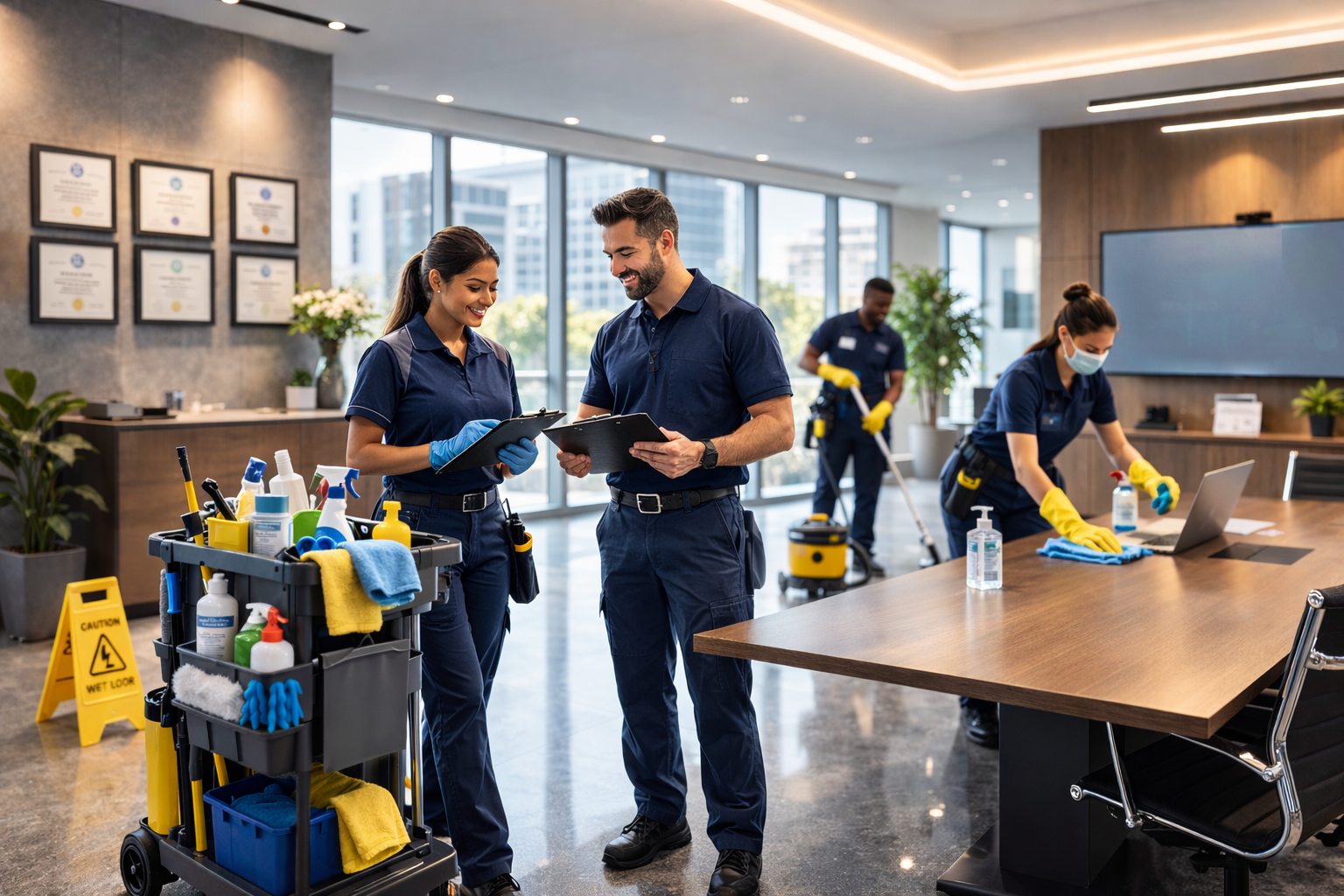
Finally, because running a house and raising kids is hard enough, not to mention the fact that life can get in the way, why not get some outside help and hire a professional cleaning service?
Some people will hire a cleaner as a one-off, perhaps to deep clean the house once a year, whereas others may have a cleaner come weekly, or a couple of times a month.
In any event, by hiring professional help, you get to relax, spend time with the kids, and leave the cleaning to the experts. If you implement the strategies listed above, alongside hiring a professional cleaner, your home will be cleaner and more organized.
Conclusion
Keeping a clean house with kids might never feel effortless, but with the right habits, tools, and mindset, it can absolutely become manageable—and even enjoyable at times. By leaning into routines, working as a team, staying flexible, and embracing the perfectly imperfect nature of family life, you’ll create a home that’s not just tidier, but more peaceful and functional for everyone.
Remember, it’s not about shiny floors or Pinterest-worthy rooms—it’s about building a home that feels good to live in. Start small, stay consistent, and don’t be afraid to ask for help when you need it. Over time, these little efforts add up. And when your kids pitch in, not only does the load lighten, but they learn responsibility and pride in their space too. You might just blurt out one day, thank God with a toddler around!
So take a deep breath, set realistic expectations, and celebrate the wins—no matter how small. You’ve got this.
FAQ
House Cleaning with Kids Questions
Yes. Children can be messy, and households with children tend to be messy. There’s absolutely nothing wrong with that.
Younger children typically don’t understand the importance of cleanliness and hygiene. They’re children, they want to play and explore, not tidy their rooms or wash the dishes. Some children don’t clean up because they’re too busy playing and having fun.
While there is no one definitive answer to this question, most parents tend to find that children aged between 2 and 3 will begin to learn about the concept of cleaning and tidying up after themselves. By this age, kids can understand you and follow simple instructions.
If something feels like fun, it won’t feel like a chore. If you can get your kids to have fun cleaning up, they’re more likely to get involved and do a good job. Do things like playing music as you clean together, have a little dance with them, turn cleaning into a fun competition, and failing that, don’t be afraid to resort to bribery in the form of a reward.
Again, there isn’t one true answer to this question because it varies so much. Some people spend around 20 minutes per day cleaning, whereas others may clean for an hour or more. Generally speaking, experts recommend around 2 and a half hours per week for a two-bedroom home.